


- 14 Mar 2002
- 21,053
- 18,907
Interesting concept: Panasonic developed a vehicle-to-home power system that kicks in as an emergency power source if the electricity grid goes down during natural disasters. It can provide the energy needs of a family of four for about four days.
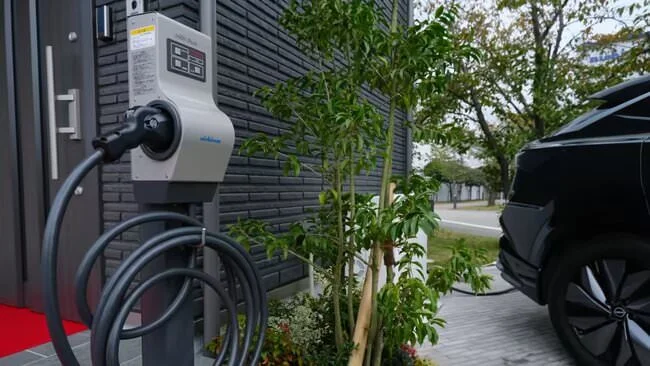

 www3.nhk.or.jp
Paywall alert:

 asia.nikkei.com
Panasonic says the system can cut power bills by around 60 percent. It expects demand to be high, even though the equipment costs about 4.5 million yen, or 34,000 dollars. Major trading house Sumitomo Corporation is also planning to use EVs to power offices or machinery. It will launch a new subsidiary in April to lease EVs and chargers. Employees of the companies which rent the system can commute in the vehicles, which will then be used to store power while they work. The electricity can either be used on site, or at home after the employees drive back.
High electricity fees drive growth in EVs powering homes | NHK WORLD-JAPAN News
Surging electricity bills are imposing a severe financial strain on households and businesses in Japan, but one way to ease the burden is to store power in electric vehicles.
www3.nhk.or.jp
Panasonic, which leads Japan's market for standard EV chargers and solar panels, starts sales of its vehicle-to-home (V2H) system in February. It will market the product through 5,000 business partners from electrical contractors to homebuilders. [...] V2H systems can serve as an emergency power source during natural disasters. Nissan Motor's top-end Leaf EV carries a 60-kilowatt-hour battery -- as much power as a typical family uses in four days. Its Sakura mini electric vehicle comes with a 20 kWh battery, still larger than the typical home battery in the 5 to 10 kWh range.
Paywall alert:
Powering homes with EVs: Panasonic, Omron set to enter Japan's V2H market
Vehicle-to-home systems draw interest as electricity prices soar
asia.nikkei.com


