ところだと

zuotengdazuo

Sempai
Joined
8 Dec 2019
Messages
830
Reaction score
19
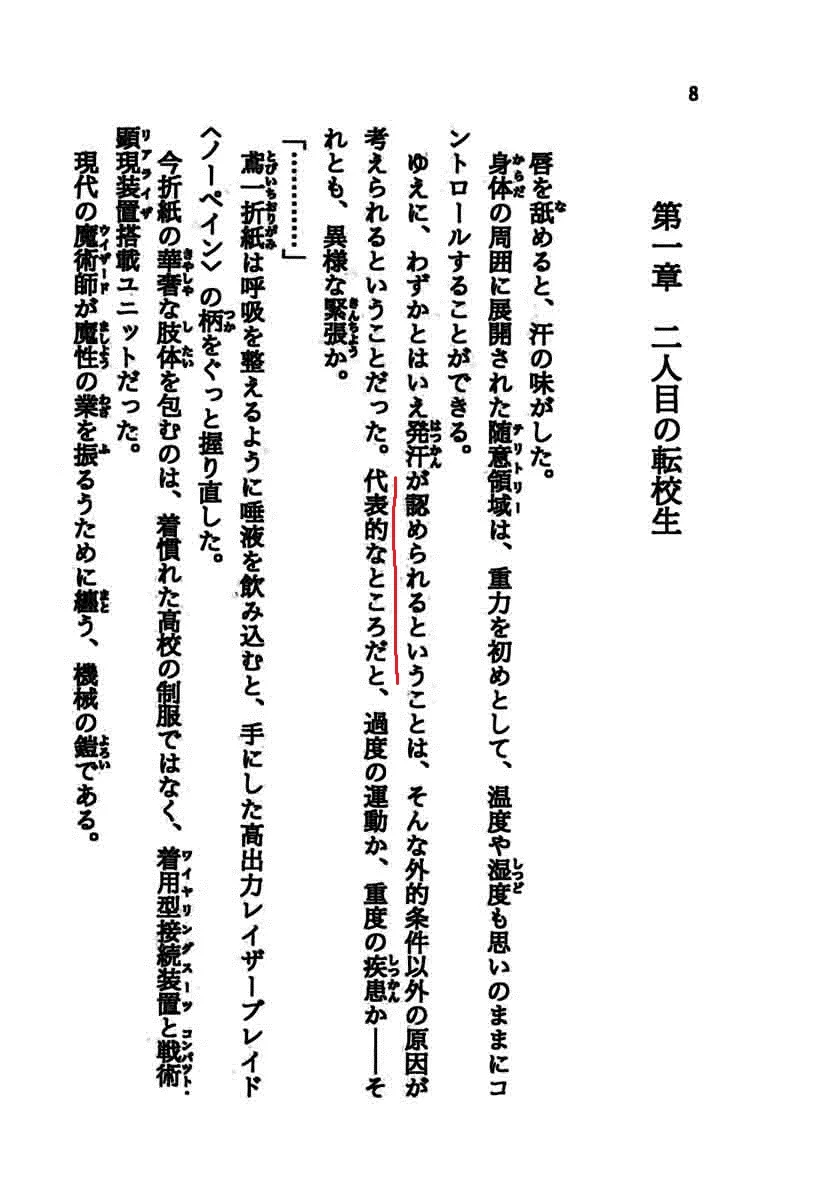
Hi. Please have a look at the underlined part?
I know ところ means "place" and だと can mean either "if that's the case" or "according to". But according to a translation, ところだと means "for example". So how come ところだと becomes "for example"? Thank you.
84FA927F-58F9-48D6-A056-206A93FA3407.webp
 
ところ does not necessarily always literally mean a physical place.
You've never seen it used figuratively to mean just a point/aspect/etc. of something?


代表的 means "representative". A representative aspect of something could also be considered an "example" of it.
だと is just a manifestation of the standard conditional と. I'm not sure why you think it's meaning is so narrow as to be limited to those two exact phrases.
 
Thank you.
だと is just a manifestation of the standard conditional と. I'm not sure why you think it's meaning is so narrow as to be limited to those two exact phrases.
So is the conditional と necessary here? Can we use 代表的なところは here?
 
It's not necessary grammatically, per se, but since it gives the nuance of "If one were to list some representative examples..." as opposed to just directly stating "The representative examples are...", so it feels quite natural and intuitive to find it here.
 
Back
Top Bottom