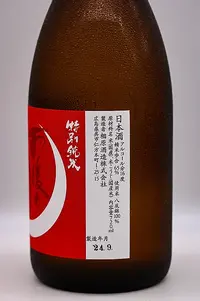


Sake specs
- Prefecture
- Hiroshima (広島)
- Rice type
- Hattan Nishiki (八反錦)
- Polishing rate (semaibuai)
- 65%
- Alcohol content
- 16%
- SMV
- +14.0
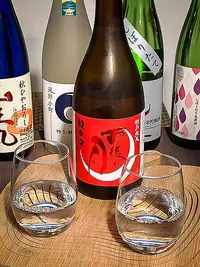
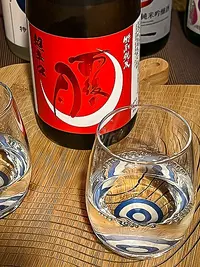
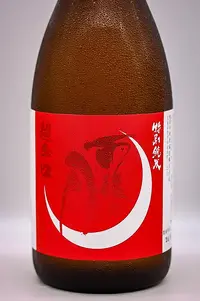
Ugo no Tsuki Chōkarakuchi Tokubetsu Junmai (雨後の月 超辛口 特別純米) is made of Hiroshima-grown Hattannishiki rice milled to 65%. This ultra-dry Tokubetsu Junmai joins the brewery's popular dry junmai and refined junmai ginjo. With a striking SMV of +14, this new release is the dryest offering from Aihara Brewery. Its sharp and incisive profile is reminiscent of a red comet, a fitting comparison for its bold and fiery character. Yet, beneath this intense dryness lies a surprising elegance. The sake's transparent quality and clean mouthfeel allow the rice's umami to shine through smoothly before giving way to a crisp, refreshing finish.
This light-bodied sake is incredibly versatile and pairs exceptionally well with various foods. Its sharp, clean taste cuts through rich flavours and complements delicate dishes. Aihara Shuzo's ultra-dry tokubetsu junmai is an absolute must-try for those who appreciate a truly dry sake.






About the brewery
- Brewery
- Aihara Shuzō
- Name in Japanese
- 相原酒造
- Address
- 1-25-15 Nigatahonmachi, Kure, Hiroshima 737-0152
- Phone
- 0823-79-5008
- Website

Aihara Shuzō was founded in 1875, and by 1895, it was brewing saké from 1,700 koku of rice – one of the top three yields in the prefecture. Although operations were suspended during wars, the company has continued to produce saké throughout its history. The company underwent significant changes in 1988 when Junichiro Aihara became president. Determined to make saké of the kind that was delicious to him, he was dedicated to quality above everything else. The company was transformed into a brewery that produced high-quality ginjo saké.
Ugo no Tsuki (雨後の月, the "Moon after the Rain") is the most recognizable of the saké brands produced by the brewery. The second-generation Aihara Itaru coined the brand and derived it from a short essay titled "Nature and "Life", published" by the author Tokutomi Kenjirō (徳富健次郎, 1868-1927) in 1900. Tokutomi Kenjirō wrote, "Clear and "brilliant in the sky after the rain; the moon shines its light on everything around me."