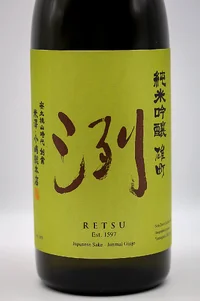
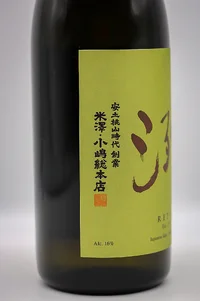
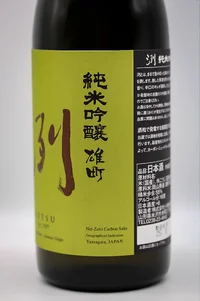
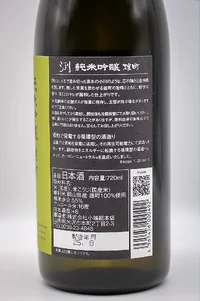
Sake specs
- Prefecture
- Yamagata (山形)
- Rice type
- Omachi (雄町)
- Polishing rate (semaibuai)
- 55%
- Alcohol content
- 16%
- SMV
- +6.0
- Acidity
- 1.5
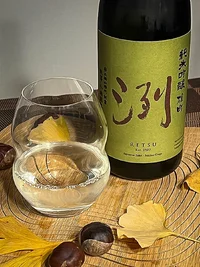
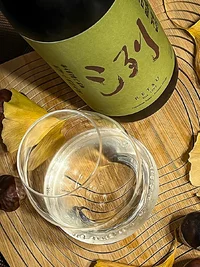
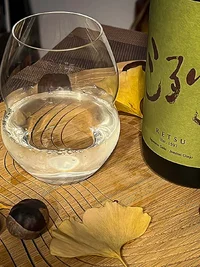
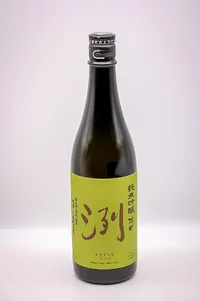
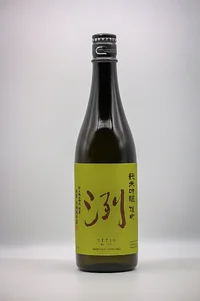
Retsu Junmai Ginjō Omachi (洌 純米吟醸 雄町) is made with Omachi, a traditional sake rice that originated in Okayama Prefecture. The specific variety used here is Bizen Omachi (備前雄町), grown locally in Okayama and known for dissolving easily during fermentation, which tends to produce sake with greater weight and depth. The rice is polished to 55%, placing the sake in the junmai ginjō category. It is brewed to 16% alcohol and is made in a slightly dry style. This sake is intended for use as a food accompaniment, particularly with dishes that make use of dashi or soy-based seasoning, though it can be paired more broadly with savoury foods. It is best served chilled, and a wider-mouthed glass allows the aroma to open more fully at the table.







About the brewery
- Brewery
- Kojima Sōhonten
- Name in Japanese
- 小嶋総本店
- Address
- 2-3-22 Omachi, Yonezawa, Yamagata 992-0031
- Phone
- 0238-21-6601
- Website
山形県米沢市の日本酒 | 東光 - 小嶋総本店
山形県米沢市の日本酒の銘柄「東光(とうこう)」のウェブサイトです。醸造元は安土桃山時代創業の小嶋総本店。東光オンラインストアでは日本酒の購入もできます。 www.sake-toko.co.jp
- Online store
東光オンラインストア - 小嶋総本店
東光は、山形県米沢市にて安土桃山時代に創業し、後に上杉家御用酒屋を承った小嶋総本店が醸す日本酒です。小嶋総本店は最上川の源流に最も近い酒蔵。吾妻山から流れ出す雪解け水で仕込み、第一級の品質を求めたお酒と心豊かな時間を皆様へお届けします。www.sake-toko.com

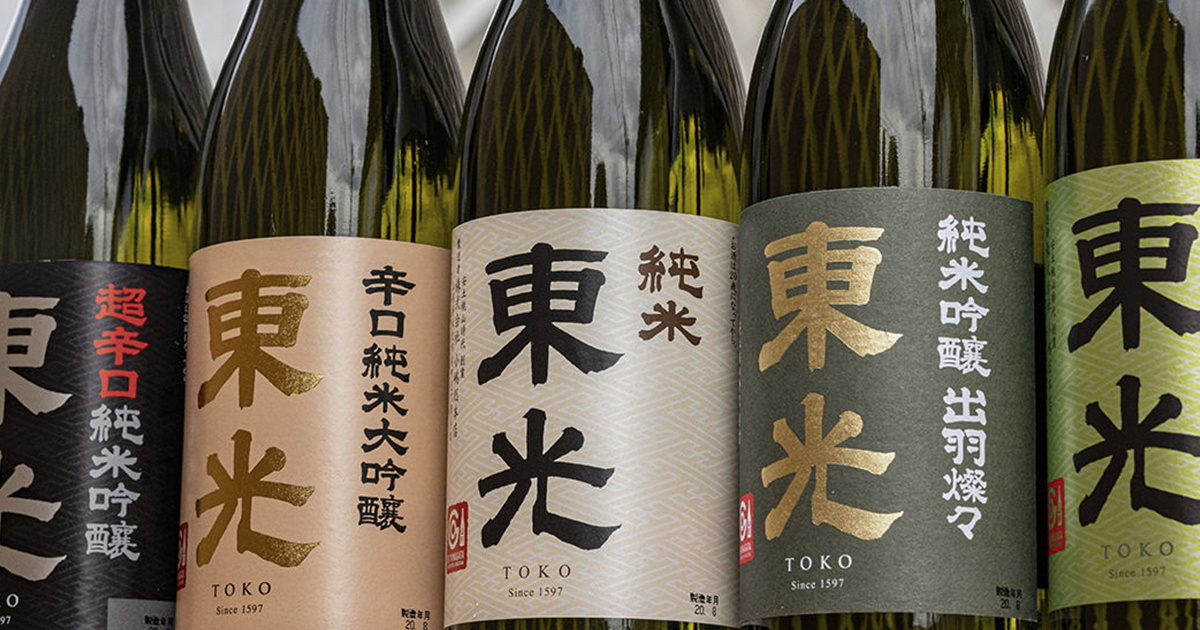
Kojima Sōhonten was founded by Kojima Yazaemon in 1597 when he established Kojima Sakaya. During that time, Yonezawa was a territory of the Gamō clan, and Kojima Sakaya was responsible for brewing sake and running a pawnshop. Six years after the foundation of Kojima Sakaya, the Tokugawa shogunate was established in Edo. At the beginning of the Edo period , Uesugi Kanekatsu was assigned to relocate to Yonezawa. The Uesugi clan then remained in charge of the domain until the end of the Edo period.
Under the Uesugi clan, Kojima Sakaya became a purveyor to the family as a sake brewer. Even after alcohol prohibition began during a famine, they were among the few brewers permitted to continue operation. Kojima Sakaya has been operating at this location since at least the middle of the Edo period. In 1757, due to his contributions to the Uesugi clan and Yonezawa, Kojima Yazaemon was awarded the position of ward head and the family was permitted to use surnames and carry swords. Since then, the Kojima family has been treated as samurai and, in the Meiji period , is said to have been shizoku (descendants of samurai).
Kojima Sakaya, the private industry of Kojima Yazaemon, became a stock company, Kojima Sōhonten, in 1952. The name "Kojima Sohonten", meaning "the original", was chosen as more brewers, wholesalers, and retailers of alcohol products in Yonezawa named "Kojima" appeared. Most of these other companies were run by relatives of Kojima Yazaemon.
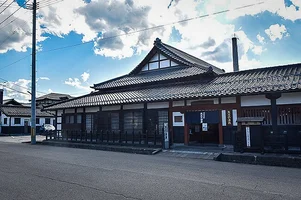
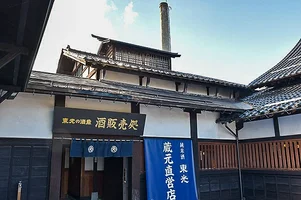
The Tōkō Sake Museum has the largest brewery exhibition in Tōhoku. It is housed in an original building built using the traditional method, which uses no nails. The brewery was later awarded the Yonezawa City Scenery Award. The Crown Prince and Princess visited the museum in 2003, and the 23rd Kojima Yazaemon (the current chairman) personally escorted them.
Tōkō won first place in Daiginjō in the International Wine Challenge 2014 sake competition, the world's largest yearly wine competition. The brewery received the award in London. Since then, it has been exported to more than ten countries.