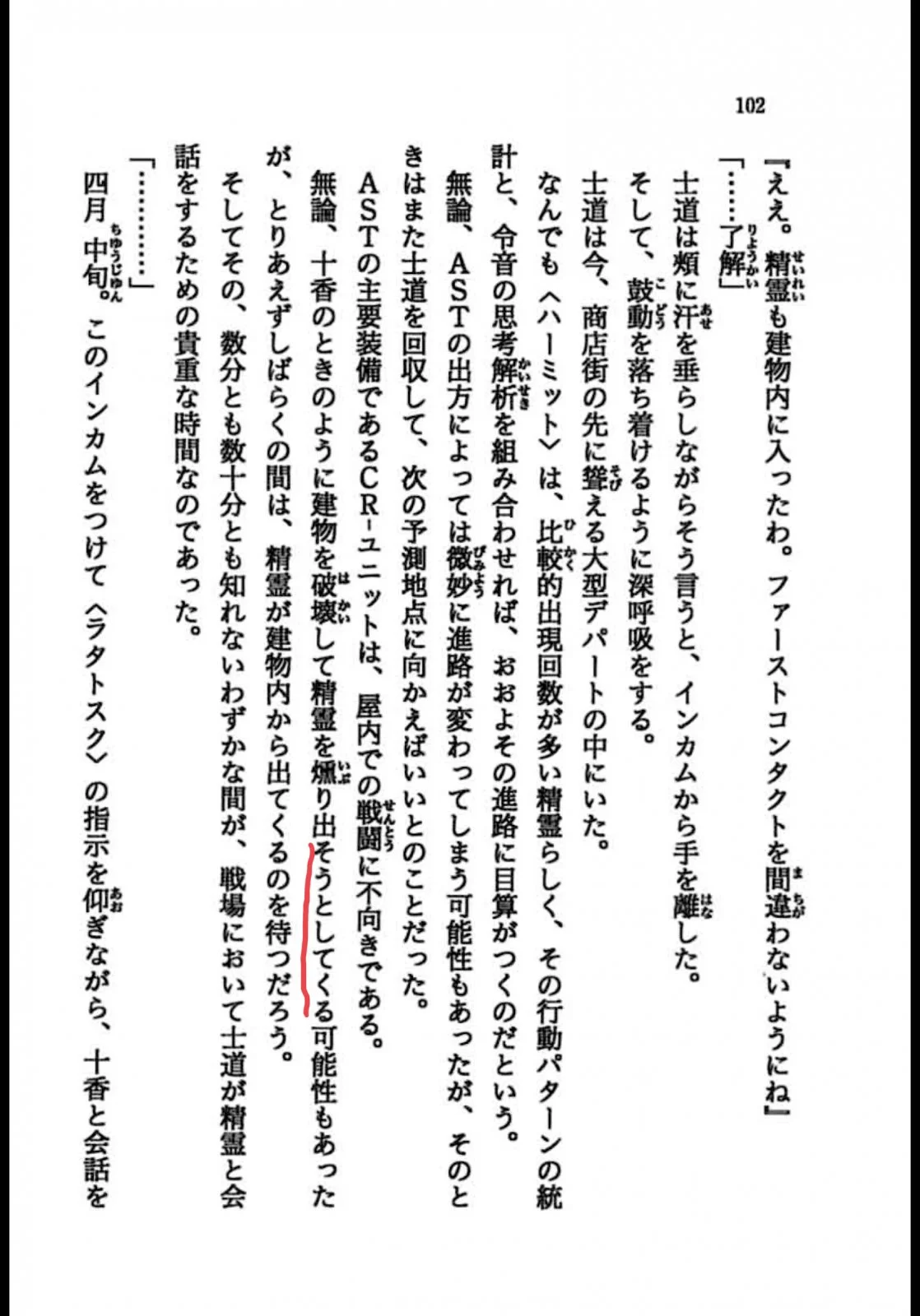
Are you not familiar with -てくる and -ていく, where the movement verbs くる and いく are used as auxiliary verbs to express the notion of directionality, i.e. the action described by the verb moving toward or away (respectively) from the reference point in terms of physical distance, time, etc.? That's all that's going on here.
The presence of the volitional+ようとする form doesn't change the basic meaning of this. It's the same as the difference between 燻り出している and 燻り出してくる, except that the volitional+ようとする construction is there to express that it's an attempt.