


- 14 Mar 2002
- 21,050
- 18,903
Japan will tighten residency requirements for foreign nationals seeking citizenship from 1 April, extending the standard period from five years to 10 years in principle.
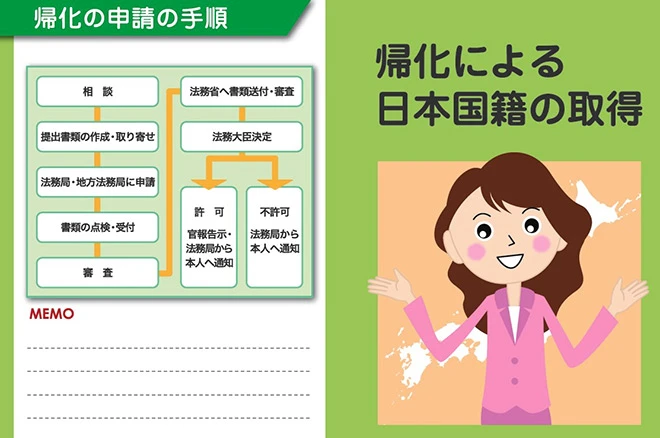
The government will also extend the period for checking whether applicants have paid taxes and social insurance premiums without delinquency. Justice Minister Hiraguchi Hiroshi announced the change at a news conference on 27 March. Under the Nationality Law, applicants must already meet several conditions. These include living in Japan for at least 5 years, being aged 18 or older, demonstrating good conduct, and having a stable means of living. The screening process also assesses how well applicants are integrated into Japanese society and whether their Japanese language skills are sufficient for everyday use. The new measures will not involve changes to the law itself. They are to be introduced through adjustments in how applications are handled in practice.
The government will also extend the period for checking whether applicants have paid taxes and social insurance premiums without delinquency. Justice Minister Hiraguchi Hiroshi announced the change at a news conference on 27 March. Under the Nationality Law, applicants must already meet several conditions. These include living in Japan for at least 5 years, being aged 18 or older, demonstrating good conduct, and having a stable means of living. The screening process also assesses how well applicants are integrated into Japanese society and whether their Japanese language skills are sufficient for everyday use. The new measures will not involve changes to the law itself. They are to be introduced through adjustments in how applications are handled in practice.
Exceptions to the new 10-year residency rule will be made for individuals who have made exceptional contributions to the country. They include people who have lived in Japanese society without issue for over five years and received an internationally prestigious award, as well as those who have engaged in activities for the public interest, such as serving on a government committee, for three or more years. The ministry noted the exceptions could apply to business executives, artists and athletes.


