


- 14 Mar 2002
- 21,054
- 18,910
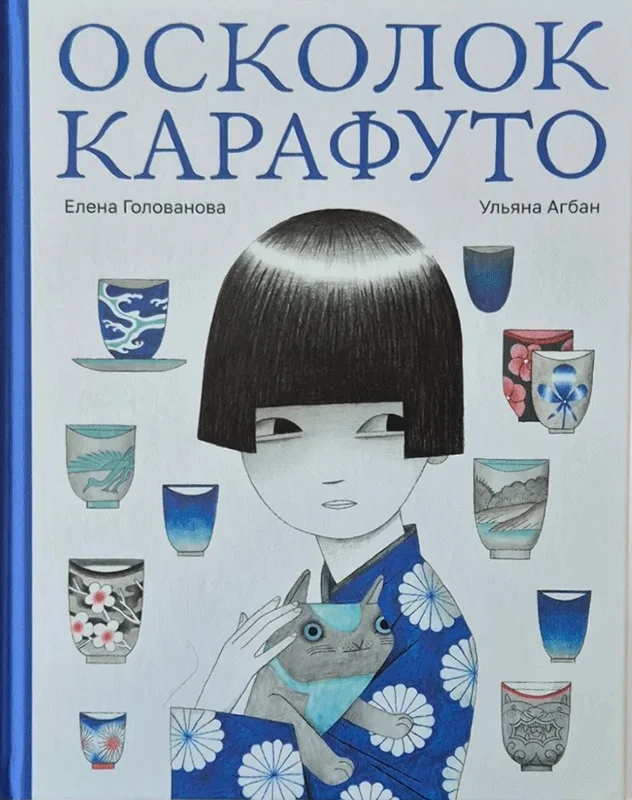
A picture book published in Russia last year looks at the experience of Japanese civilians who were forced to leave Karafuto, the southern half of Sakhalin, at the end of the Second World War. The subject has received little attention in Russia. The book, titled "Shard of Karafuto," follows the friendship between a Japanese girl and a Russian girl. Its story unfolds in Karafuto, the part of Sakhalin that Japan administered until its defeat in 1945.
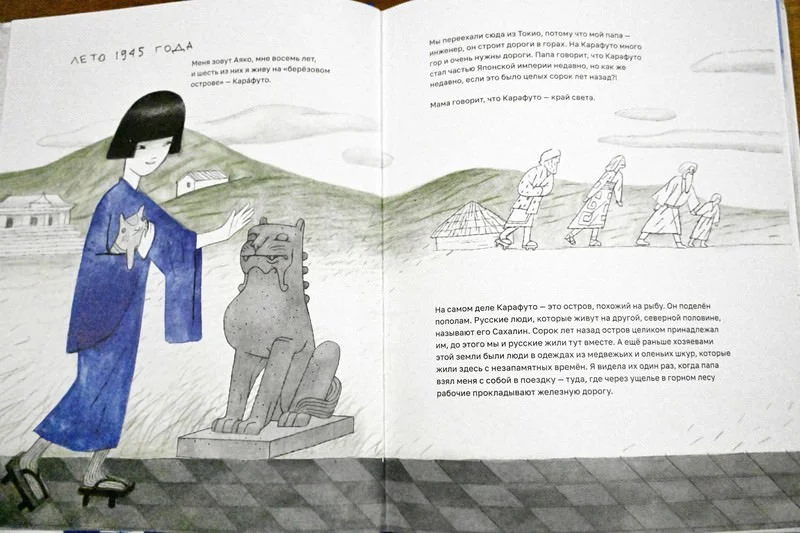
The narrative touches on the displacement of Japanese residents after the Soviet invasion of the island in August that year. Author Elena Golovanova lives in Ravenna, northern Italy, and writes for Russian lifestyle magazines. The idea for the book began to take shape in 2021, when she returned to Russia. During a visit to a café in the central city of Tyumen, she noticed a tea bowl displayed as early twentieth-century Japanese ceramics. Curious about its presence there, she asked a staff member, who told her that such items are sometimes unearthed in Sakhalin.

 mainichi.jp

 www.whales-tales.com
The narrative touches on the displacement of Japanese residents after the Soviet invasion of the island in August that year. Author Elena Golovanova lives in Ravenna, northern Italy, and writes for Russian lifestyle magazines. The idea for the book began to take shape in 2021, when she returned to Russia. During a visit to a café in the central city of Tyumen, she noticed a tea bowl displayed as early twentieth-century Japanese ceramics. Curious about its presence there, she asked a staff member, who told her that such items are sometimes unearthed in Sakhalin.
The book follows Ayako, an 8-year-old Japanese girl living in Karafuto at the end of the war. In the autumn of 1946, Soviet authorities ordered her family to evacuate within 24 hours. With little time to prepare and unable to take most of their belongings, Ayako buries her favourite teacup -- decorated with a rabbit -- in a forest, hoping she will one day return to retrieve it. The story then moves forward several decades to the autumn of 2025. Ayako's granddaughter, Fumiko, travels to Sakhalin with her parents. There, she befriends a local Russian girl named Marina. When the two girls part, Marina gives Fumiko a necklace made from a ceramic shard she had found on the shore and kept as a treasured object; the fragment bears the image of a rabbit. After returning home, Fumiko shows the necklace to Ayako. At the sight of the rabbit, Ayako's fingers tremble as she recognises the design. The book was published by the St. Petersburg-based publisher Polyandria. In a statement, the publisher described the work as portraying personal histories within a broader historical context, adding that the writing was carefully considered.
Russian picture book revisits Japanese displacement from Sakhalin - The Mainichi
MOSCOW (Kyodo) -- A picture book published in Russia last year examines the experiences of Japanese civilians who were forced to leave Karafuto, locat
Осколок Карафуто
1945 год. Девочка Аяко живёт на Кара́ футо (японское название Сахалина), но вскоре её семье приходится покинуть остров, оставив там всё имущество. Подобно другим японцам, они закопали посуду в лесу, надеясь когда-нибудь вернуться. 2025 год. Мариша живёт на Сахалине и однажды находит осколок...
www.whales-tales.com


