


- 14 Mar 2002
- 21,050
- 18,903
Less than two years after China imposed a ban on Japanese scallops, raising concerns about a supply glut, the shellfish have seen a surge in international demand, driving prices to record highs at Tokyo's wholesale markets. Export values doubled in January compared to the previous year, with countries like the U.S., Thailand, and Vietnam increasing their purchases. A fisherman from the Sea of Okhotsk in Hokkaido , Japan's largest scallop-producing region, expressed surprise at the rapid turnaround, admitting they hadn't anticipated such a strong recovery.
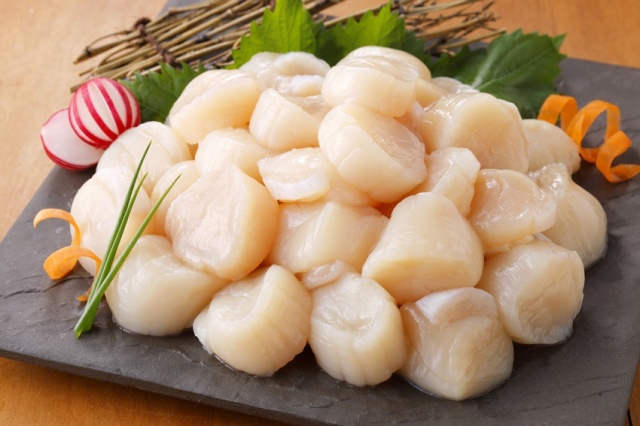
China halted imports of Japanese seafood in August 2023, citing concerns over the release of treated wastewater from the Fukushima Daiichi nuclear power plant. Until then, China had been the leading buyer of Japanese scallops, accounting for nearly 40% of exports, but the ban brought those imports to a complete stop by 2024.
Hokkaido fisheries are increasingly adopting automated shelling machines and shifting away from dependence on China, with one scallop farm representative stating they no longer plan to rely on the Chinese market, even if the ban is lifted. Scallop prices have surged, with quick-frozen Tamarei scallops reaching a record 5,400 yen per kilogram at Tokyo's Toyosu market in early March — a 50% increase from the previous year. After the ban, prices had dropped to 2,500 yen. Still, domestic campaigns boosted local demand, especially among sushi restaurants, where the appetite for Hokkaido scallops remains strong despite rising costs.
Paywall alert:

 asia.nikkei.com

China halted imports of Japanese seafood in August 2023, citing concerns over the release of treated wastewater from the Fukushima Daiichi nuclear power plant. Until then, China had been the leading buyer of Japanese scallops, accounting for nearly 40% of exports, but the ban brought those imports to a complete stop by 2024.
For January 2025 alone, exports more than doubled to 5.8 billion yen. Exports to the U.S., which emerged as the largest customer, more than quadrupled. Exports to Vietnam and Thailand, home to scallop-processing plants, logged similar surges. With no strong fishy smell or significant religious or cultural restrictions, scallops are "a highly versatile food ingredient" popular in all parts of the world, according to the Japan External Trade Organization. Beyond sushi restaurants, marketing focused on different food cultures has also worked well, with demand growing for use in such dishes as Mexican tacos. In North America, scallops may be served with strawberry relish. A poor North American harvest has also increased demand for Japanese scallops.
Hokkaido fisheries are increasingly adopting automated shelling machines and shifting away from dependence on China, with one scallop farm representative stating they no longer plan to rely on the Chinese market, even if the ban is lifted. Scallop prices have surged, with quick-frozen Tamarei scallops reaching a record 5,400 yen per kilogram at Tokyo's Toyosu market in early March — a 50% increase from the previous year. After the ban, prices had dropped to 2,500 yen. Still, domestic campaigns boosted local demand, especially among sushi restaurants, where the appetite for Hokkaido scallops remains strong despite rising costs.
Paywall alert:
Japanese scallops whet world's appetite amid China's ban
Monthly exports double, while wholesale prices hit record high
asia.nikkei.com
Japanese Food Thread 'Hotategai (帆立貝)'
Hotategai (帆立貝), or hotate (帆立), are scallops. They are common, relatively inexpensive, and delicious. Hotategai is usually best from late fall through early spring. Scallops have a soft texture and a mild, sweet flavour. They are excellent as sushi and sashimi. Hotategai can also be grilled or fried.
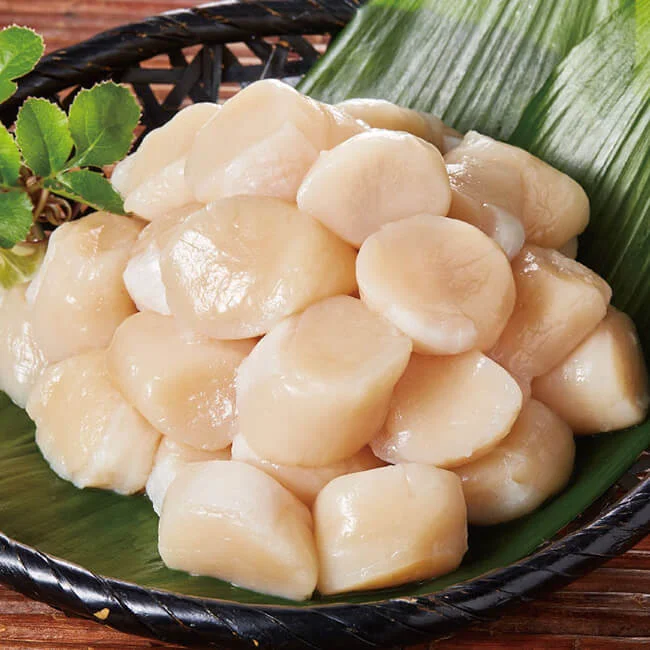
The Yesso scallop (Mizuhopecten yessoensis) is a cold-water marine bivalve species. Its valves have a convex centre and a smooth exterior shell. One side is white, and the other is dark brown. The Yesso scallop is widely distributed along the cold coast of...
The Yesso scallop (Mizuhopecten yessoensis) is a cold-water marine bivalve species. Its valves have a convex centre and a smooth exterior shell. One side is white, and the other is dark brown. The Yesso scallop is widely distributed along the cold coast of...
- JREF
- hotategai
- Replies: 0
- Forum: Japanese Food


