


- 14 Mar 2002
- 21,050
- 18,903
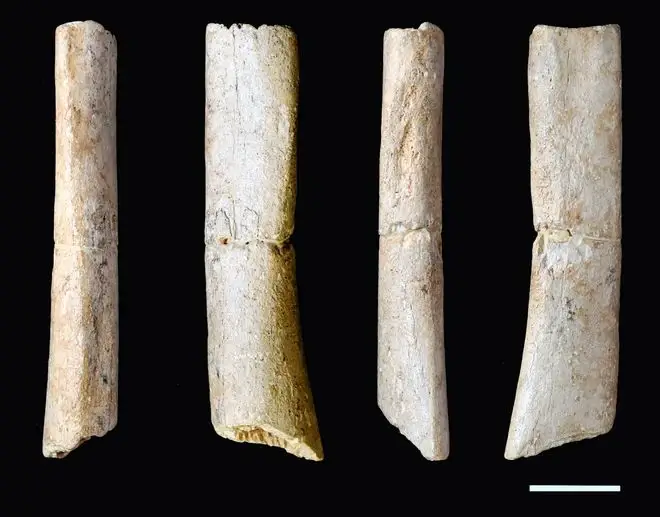
Fossilised bones, initially believed to be the oldest human remains in Japan, have been re-identified as belonging to a prehistoric bear. Based on a recent in-depth study by researchers from the University of Tokyo and Niigata University of Health and Welfare, the age of the Ushikawa remains discovered in Toyohashi in the 1950s has been significantly revised downwards.
The Ushikawa finding means that the Hamakita remains from Hamamatsu—estimated to be 17,000 to 22,000 years old with dating technology—are the sole known human remains from the Old Stone Age (12,000 years ago or earlier) outside the southwestern Nansei Islands of Okinawa Prefecture.
 www.livescience.com
The Ushikawa remains were found in 1957 at a quarry in the Ushikawa-cho district of Toyohashi. They were initially pronounced as dating to the Middle Pleistocene (781,000 to 126,000 years ago) and recorded as such in textbooks on the history of Japan. But by the 1980s, researchers had become sceptical about the age of the Ushikawa remains and whether they were even human. With the help of Aiko Saso's assistant professor of anthropology at Niigata University of Health and Welfare, the research team subjected the fossils to microscopic analysis and CT scanning. Fragments formerly believed to be pieces of the humerus and femur were compared with bones from 24 black and brown bears. Examining the depth of a hollow in the femoral head, the shape of the epiphysis, and other elements, the team concluded that they are "all bear remains."
The Ushikawa finding means that the Hamakita remains from Hamamatsu—estimated to be 17,000 to 22,000 years old with dating technology—are the sole known human remains from the Old Stone Age (12,000 years ago or earlier) outside the southwestern Nansei Islands of Okinawa Prefecture.
20,000-year-old 'human' fossils from Japan aren't what we thought
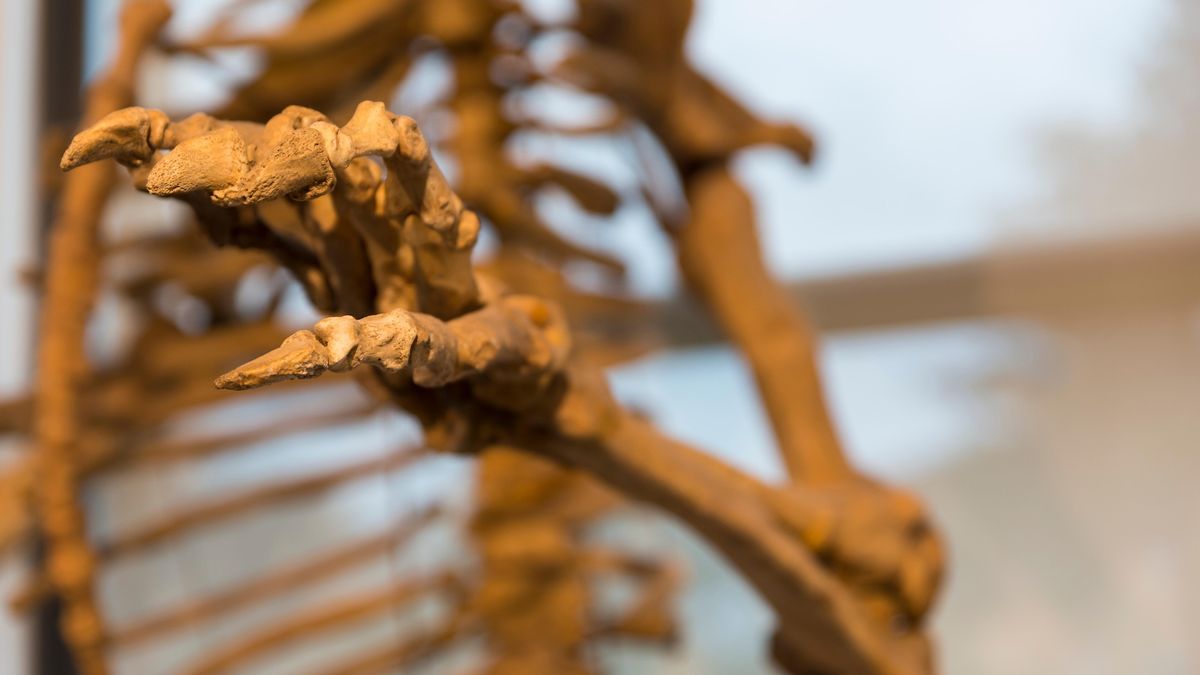
The bone fragments were once thought to be some of the oldest human fossils found in Japan.


