Question Are these types of toilets common in every Japanese household?

LTDAN

後輩
Joined
11 Jan 2026
Messages
15
Reaction score
13
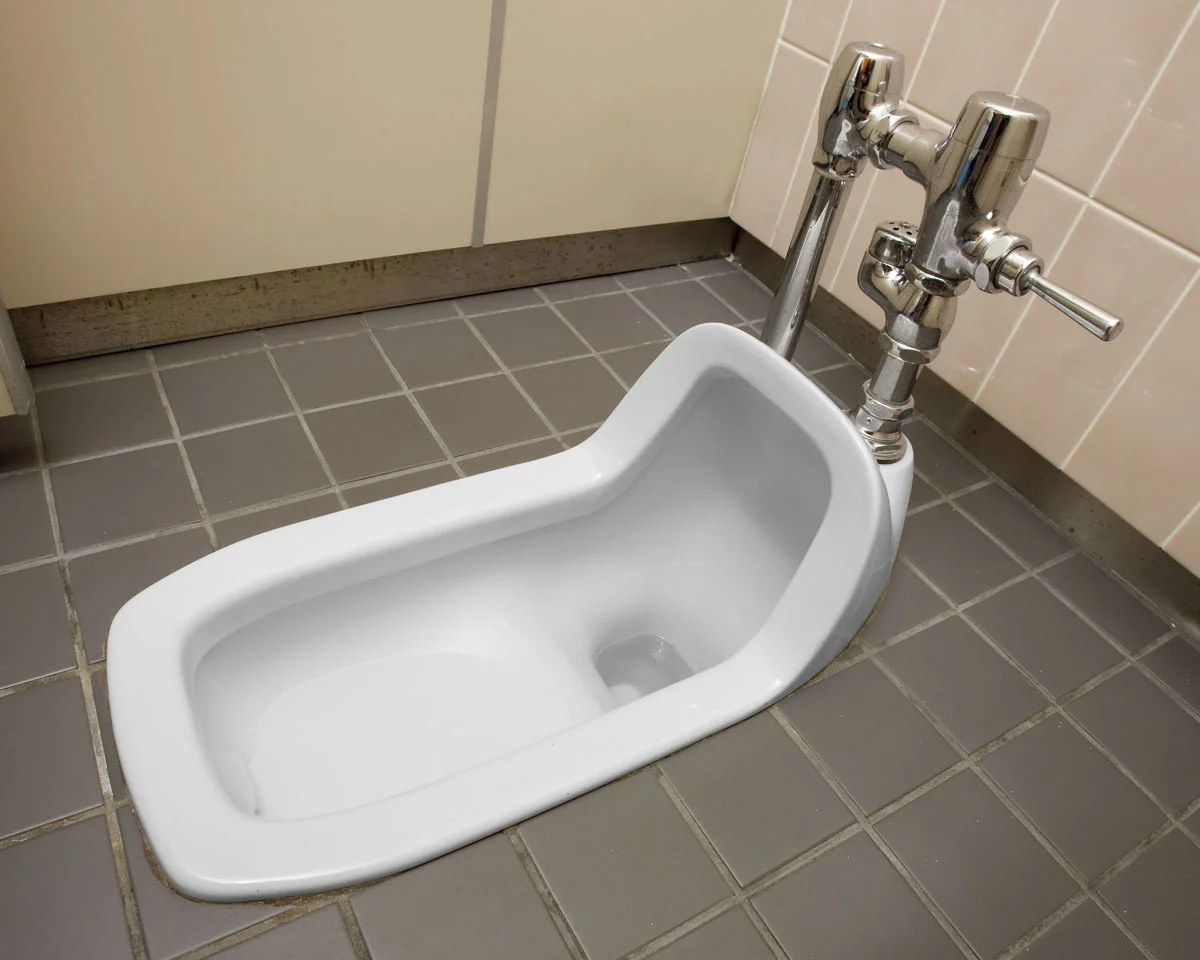
Japan has squat toilets (和式トイレ) which are different from Western ones:
4355_ext_39_0.webp

I mean, they exist but have you actually used one of these before in Japan? I've heard it can be considered "disgusting" regarding poop since you're not sitting on it like a normal toilet, rather squatting whilst taking a dump and see it there lying on the bowl until you flush it. In winter, it's cold to use (normal toilets that are electrified are warmed up during that season). Have you lived in a Japanese home where this was the default option for all bathrooms?
 
Japan has squat toilets (和式トイレ) which are different from Western ones:
View attachment 138557
I mean, they exist but have you actually used one of these before in Japan? I've heard it can be considered "disgusting" regarding poop since you're not sitting on it like a normal toilet, rather squatting whilst taking a dump and see it there lying on the bowl until you flush it. In winter, it's cold to use (normal toilets that are electrified are warmed up during that season). Have you lived in a Japanese home where this was the default option for all bathrooms?
Very unusual to find these in houses nowadays. And pretty uncommon in businesses too these days unless they're old and not updated for decades. Although large bathrooms with multiple stalls often have both options. Back in the day I've used them out of necessity. It's been years now. I wouldn't say it's any more disgusting than any other toilet. In Western toilets you also see your poop before flushing, don't you? Some people think it's disgusting to put your butt cheeks where somebody else's butt cheeks have been. Also the Japanese style is more natural in the sense of how the body's plumbing actually works. So much so that the "squatty potty" has become a big hit.
1784211710252.webp


I recently went to Ecuador and you're not allowed to flush toilet paper anywhere except a handful of places like the airport. I found that quite odd but you do get used to it. It occurred to me that this would be the perfect market for the Toto washlet (bidet) toilets.
 
I actually prefer the squat toilets to the Western type. I don't think I've ever been in a house that had the squat toilet, but at least as of 17 years ago, squat toilets were fairly common at various public facilities and private establishments. They're also very common in China today.
 
Japan has squat toilets (和式トイレ) which are different from Western ones:
I mean, they exist but have you actually used one of these before in Japan? I've heard it can be considered "disgusting" regarding poop since you're not sitting on it like a normal toilet, rather squatting whilst taking a dump and see it there lying on the bowl until you flush it. In winter, it's cold to use (normal toilets that are electrified are warmed up during that season). Have you lived in a Japanese home where this was the default option for all bathrooms?

I have never seen them in Japanese homes, and most restaurants or public spaces no longer use them. The last time I encountered them (over a decade ago) was at hot springs and at the factories where I used to teach. I agree with @mdchachi's observation on our body's plumbing. :)
 
The Ratio of Western-Style and Japanese-Style Toilets in Japanese Homes

Today, Western-style toilets are used in almost every household in Japan. It is estimated that the ratio is approximately:

Western-style toilets: 97–99%
Japanese-style squat toilets: 1–3%

Recent surveys indicate that around 97% of Japanese households have Western-style toilets, while only about 2% still use traditional Japanese-style squat toilets. In owner-occupied homes, the percentage of Japanese-style toilets is even lower, at around 1.3%.

There are several reasons for this change:

Japan has an aging population, and Western-style toilets are much easier for elderly people to use.
Advanced features such as heated seats and bidet functions (commonly known as Washlets) have become standard.
Almost all newly built homes are equipped with Western-style toilets.
During home renovations, many families replace old Japanese-style toilets with Western-style models.

Japanese-style squat toilets have become quite rare in private homes. However, they can still be found in some older schools, public buildings, railway stations, parks, and houses that have not been renovated.

Overall, about 98% of Japanese homes now have Western-style toilets, making traditional squat toilets a relatively uncommon sight in modern Japan.


The spread of Western-style toilets in Japanese schools has increased significantly over the past decade, but many schools still have traditional squat toilets.

According to Japan's Ministry of Education, Culture, Sports, Science and Technology (MEXT):

Approximately 70–75% of toilets in public elementary and junior high schools are now Western-style.
The remaining 25–30% are still traditional Japanese-style squat toilets.

This is a major improvement compared with about ten years ago, when roughly half of school toilets were still Japanese-style.

Why Hasn't Every School Switched to Western-Style Toilets?

There are several reasons why the modernization process has not been completed.

1. High renovation costs

Many school buildings were constructed several decades ago. Replacing toilets often requires extensive plumbing work, new drainage systems, improved ventilation, and barrier-free facilities, making renovation expensive.

2. Aging school buildings

Many public schools in Japan were built during the 1960s and 1970s. Since local governments must also repair classrooms, roofs, and earthquake-resistant structures, toilet renovations are sometimes postponed.

3. Limited budgets of local governments

Public schools are funded mainly by local governments. Smaller municipalities with declining populations often have limited budgets and cannot renovate all school facilities at once.

4. Maintaining a small number of squat toilets

Some schools intentionally keep a few Japanese-style toilets because:

They can still be useful during disasters when water pressure is low.
Some students and visitors prefer them.
Students may encounter squat toilets in older public facilities, so schools sometimes retain a small number for familiarity.
Future Outlook

The Japanese government continues to encourage schools to replace squat toilets with Western-style models. Because most children grow up using Western-style toilets at home, many young students find squat toilets uncomfortable or difficult to use.

As school buildings undergo renovation over the coming years, the percentage of Western-style toilets is expected to continue increasing, although a small number of Japanese-style toilets may remain in some schools for practical reasons.
 
Disaster Toilet Conditions in Japan


During a natural disaster, access to toilets becomes just as important as access to food and drinking water. Earthquakes, floods, and typhoons can disrupt water supplies and damage sewage systems, making ordinary toilets unusable.

Why Toilets Become a Serious Problem

After a major disaster:

Water outages may prevent flush toilets from working.
Sewage systems or septic tanks may be damaged.
Power outages can stop water pumps in apartment buildings.
Evacuation shelters often have too few toilets, resulting in long lines.

As a result, some people avoid drinking water because they do not want to use the toilet. This can lead to dehydration, constipation, urinary tract infections, and deep vein thrombosis (economy class syndrome).

Emergency Toilet Supplies

Japanese disaster preparedness guidelines recommend storing at least 5 to 7 days' worth of emergency toilet supplies.

For one person, this means approximately 35 toilet uses (about five uses per day). A family of four should prepare around 140 uses.

Useful emergency supplies include:

Portable emergency toilet bags
Coagulants that solidify waste
Heavy-duty garbage bags
Odor-proof disposal bags
Toilet paper
Wet wipes
Hand sanitizer
Disposable gloves
Can You Flush a Toilet During a Water Outage?

In most cases, the answer is no.

Even if you have stored water, flushing a toilet can be dangerous if the sewage system has been damaged. Wastewater may back up into homes or overflow elsewhere in the neighborhood. It is safer to use portable emergency toilets until local authorities confirm that the sewer system is functioning properly.

Toilets at Evacuation Shelters

Evacuation shelters may provide:

Portable toilets
Manhole toilets connected to the sewer system
Temporary toilets
Emergency toilet bags

However, these facilities may not be available immediately after a disaster. This is why every household is encouraged to keep its own emergency toilet supplies.

Special Considerations

Families with elderly people, infants, or individuals with disabilities should also prepare:

Portable bedside toilets
Adult or baby diapers
Odor-proof disposal bags
Personal hygiene supplies
Conclusion

In Japan, disaster preparedness emphasizes three essential necessities: water, food, and toilets. A lack of sanitation can quickly become a serious health issue after a disaster. Therefore, keeping a one-week supply of emergency toilet equipment is considered an essential part of every household's emergency preparedness plan.
 
Found this yesterday:

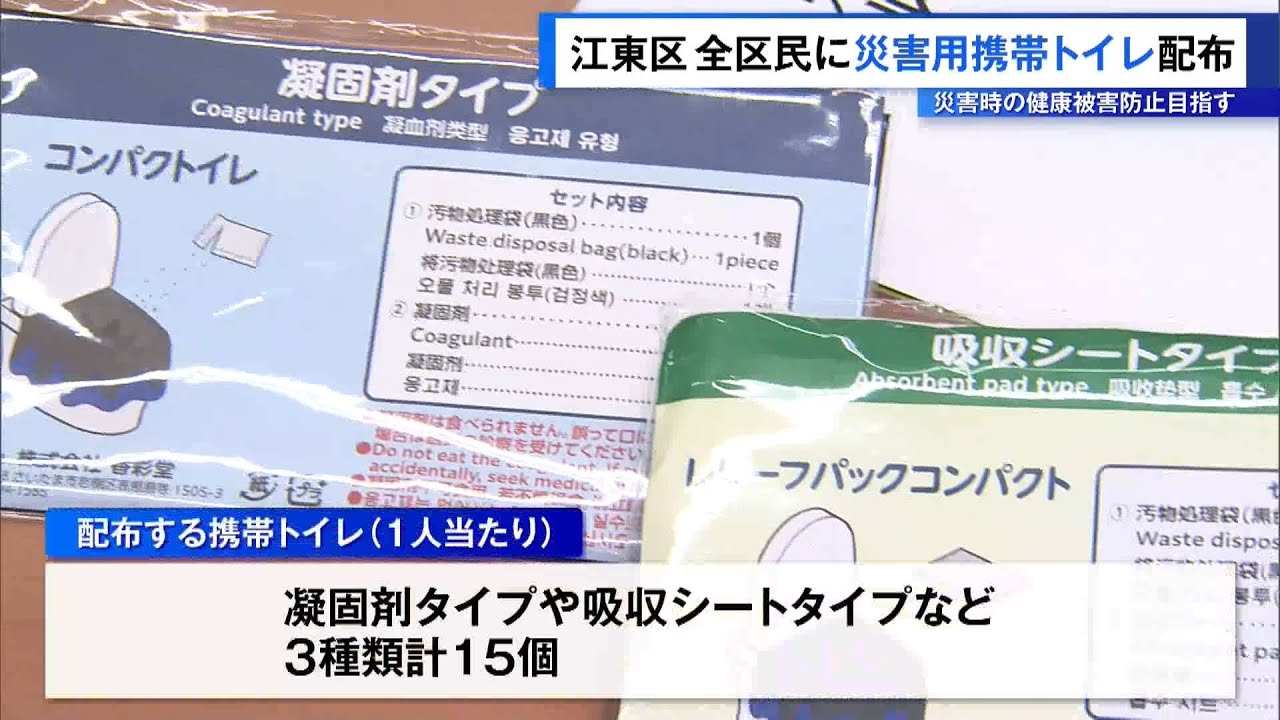
Tōkyō's Kōtō Ward will distribute portable emergency toilets (災害用携帯トイレ saigai-yō keitai toire) to every resident as part of a new effort to improve disaster preparedness and reduce health risks when normal sanitation systems stop working. Mayor Okubo Tomoka unveiled the emergency toilet kit at a regular news conference on 8 July and urged residents to review their own emergency plans. She said she hoped the portable toilets would prompt each household to reconsider how it was preparing for disasters.


Each kit will contain 15 portable toilets in three different types, including versions that use solidifying agents and absorbent sheets. A guidebook will also be included, explaining what to do when toilets become unusable after a disaster and how to use the portable units correctly.

Household toilets may become unusable during disasters because of water outages or damage to drainage systems. The ward is encouraging residents to try one of the portable toilets in advance as a form of emergency training. The distribution is also intended to prevent disaster-related health problems. In some affected areas, evacuees have reduced their fluid intake to avoid going to the toilet, resulting in cases of chronic dehydration. Koto Ward plans to begin delivering the kits to residents in mid-August.

 
'Secchin' (雪隠) is an archaic (used in 'Samurai times'), poetic/Buddhist term for a toilet in Japanese. Literally translating to 'snow hide,' it was historically used by Zen monks and is rarely spoken in everyday modern Japan. I use the word everyday 😑
 
'Secchin' (雪隠) is an archaic (used in 'Samurai times'), poetic/Buddhist term for a toilet in Japanese. Literally translating to 'snow hide,' it was historically used by Zen monks and is rarely spoken in everyday modern Japan. I use the word everyday 😑
Did you name your cat Secchin?
 
Japan Has Way Too Many Words for "Toilet"

Japanese Words for the Toilet: Setchin and Other Traditional Terms

In Japan, there are many different words for a toilet, ranging from modern everyday expressions to old-fashioned and historical terms. Some of these words are still used today, while others are mainly found in historical texts, literature, or period dramas.

1. Setchin (雪隠)

Setchin (せっちん / 雪隠) is an old Japanese word for a toilet or lavatory. It is particularly associated with the Edo period and traditional Japanese culture.

The word is believed to have originated in Buddhist terminology, especially in Zen Buddhist temples. Over time, it came to be used more generally to refer to a toilet.

The term setchin has an old-fashioned and somewhat rustic feeling today. It may appear in historical fiction, traditional architecture, or descriptions of life in premodern Japan.

A related expression is setchin-zume (雪隠詰め), which literally means being cornered in a toilet. It is now used figuratively to describe a situation in which someone is completely cornered with no way to escape.


2. Kawatya / Kawaya (厠)

Kawaya (かわや / 厠) is one of the oldest and most well-known traditional Japanese words for a toilet.

It is frequently found in historical literature and is particularly suitable for describing toilets in ancient or medieval Japan. The word is often associated with traditional toilets located near or over water, although the exact historical origin of the term is debated.

For historical fiction, kawaya gives a distinctly ancient or medieval Japanese atmosphere.


3. Habakari (憚り)

Habakari (はばかり) is an old euphemistic term for a toilet.

It comes from the idea of a place where one should "hesitate" or "hold back" because of modesty or privacy. The expression is now archaic, but it can be found in older Japanese literature and historical settings.

It has a softer and more indirect meaning than simply saying "toilet."


4. Toosu (東司)

Toosu (とうす / 東司) is a Buddhist and particularly Zen Buddhist term for a toilet.

In traditional Zen temples, the toilet was considered an important place that required strict cleanliness and proper etiquette. The word is therefore strongly associated with Buddhist temple culture.

Another term used in Zen Buddhism is Seijo (西浄).


5. Seijo (西浄)

Seijo (せいじょう / 西浄) is another traditional Buddhist term for a toilet, particularly in Zen temples.

The terms Toosu and Seijo reflect the traditional Buddhist practice of assigning specific names to different facilities within a temple.

These words are rarely used in ordinary modern conversation.


6. Otearai (お手洗い)

Otearai (おてあらい / お手洗い) literally means "hand-washing place."

It is one of the most common polite and indirect ways to refer to a toilet in modern Japanese.

For example:

お手洗いはどこですか?
Otearai wa doko desu ka?
"Where is the restroom?"
The word is polite and can be used in restaurants, hotels, homes, and public places.


7. Benjo (便所)

Benjo (べんじょ / 便所) is a straightforward Japanese word meaning "toilet" or "lavatory."

It is an old and established term, but in modern Japanese it can sound somewhat plain, rough, or old-fashioned depending on the context.

The word is more direct than otearai.


8. Gofujō (御不浄)

Gofujō (ごふじょう / 御不浄) is an old euphemistic expression for a toilet.

The word literally relates to something "impure" or "unclean." Historically, bodily waste was associated with impurity, so this expression was used as a polite or indirect reference to the toilet.

It has a distinctly old-fashioned tone and may be encountered in historical texts or period dramas.


9. Toire (トイレ)

Toire (トイレ) is the most common modern Japanese word for "toilet."

It comes from the English word "toilet" and is widely used in everyday conversation.

For example:

トイレはどこですか?
Toire wa doko desu ka?
"Where is the toilet?"

10. Toire / Restroom Expressions

Depending on the situation, Japanese speakers may also use more polite or indirect expressions such as:

  • お手洗い (otearai) — restroom / washroom
  • 化粧室 (keshōshitsu) — powder room / ladies' room
  • WC (daburyū shī) — WC, commonly seen on signs
  • 洗面所 (senmenjo) — washroom / washing area, sometimes referring to an area containing a toilet
The exact meaning depends on the building and context.


Quick Comparison

JapaneseRomanizationMeaning / Impression
雪隠SetchinOld-fashioned, traditional toilet
KawayaAncient / medieval toilet
憚りHabakariArchaic euphemism
東司ToosuZen Buddhist temple toilet
西浄SeijoZen Buddhist temple toilet
御不浄GofujōOld-fashioned euphemism
便所BenjoDirect, plain, somewhat old-fashioned
お手洗いOtearaiPolite modern expression
化粧室KeshōshitsuPowder room / restroom
トイレToireStandard modern everyday term
WCDaburyū ShīSignage / written abbreviation

Which word is best for historical fiction?

For a medieval Japanese setting, kawaya (厠) is probably the most appropriate choice.

For an Edo-period setting, setchin (雪隠) or habakari (憚り) can give the dialogue a more period-appropriate flavor.

For a Zen Buddhist temple, toosu (東司) or seijo (西浄) would be especially appropriate.

In modern Japan, toire (トイレ) is the standard everyday word, while otearai (お手洗い) is a more polite and indirect alternative.
 
Japan Has Way Too Many Words for "Toilet"

Japanese Words for the Toilet: Setchin and Other Traditional Terms

In Japan, there are many different words for a toilet, ranging from modern everyday expressions to old-fashioned and historical terms. Some of these words are still used today, while others are mainly found in historical texts, literature, or period dramas.

1. Setchin (雪隠)

Setchin (せっちん / 雪隠) is an old Japanese word for a toilet or lavatory. It is particularly associated with the Edo period and traditional Japanese culture.

The word is believed to have originated in Buddhist terminology, especially in Zen Buddhist temples. Over time, it came to be used more generally to refer to a toilet.

The term setchin has an old-fashioned and somewhat rustic feeling today. It may appear in historical fiction, traditional architecture, or descriptions of life in premodern Japan.

A related expression is setchin-zume (雪隠詰め), which literally means being cornered in a toilet. It is now used figuratively to describe a situation in which someone is completely cornered with no way to escape.


2. Kawatya / Kawaya (厠)

Kawaya (かわや / 厠) is one of the oldest and most well-known traditional Japanese words for a toilet.

It is frequently found in historical literature and is particularly suitable for describing toilets in ancient or medieval Japan. The word is often associated with traditional toilets located near or over water, although the exact historical origin of the term is debated.

For historical fiction, kawaya gives a distinctly ancient or medieval Japanese atmosphere.


3. Habakari (憚り)

Habakari (はばかり) is an old euphemistic term for a toilet.

It comes from the idea of a place where one should "hesitate" or "hold back" because of modesty or privacy. The expression is now archaic, but it can be found in older Japanese literature and historical settings.

It has a softer and more indirect meaning than simply saying "toilet."


4. Toosu (東司)

Toosu (とうす / 東司) is a Buddhist and particularly Zen Buddhist term for a toilet.

In traditional Zen temples, the toilet was considered an important place that required strict cleanliness and proper etiquette. The word is therefore strongly associated with Buddhist temple culture.

Another term used in Zen Buddhism is Seijo (西浄).


5. Seijo (西浄)

Seijo (せいじょう / 西浄) is another traditional Buddhist term for a toilet, particularly in Zen temples.

The terms Toosu and Seijo reflect the traditional Buddhist practice of assigning specific names to different facilities within a temple.

These words are rarely used in ordinary modern conversation.


6. Otearai (お手洗い)

Otearai (おてあらい / お手洗い) literally means "hand-washing place."

It is one of the most common polite and indirect ways to refer to a toilet in modern Japanese.

For example:


The word is polite and can be used in restaurants, hotels, homes, and public places.


7. Benjo (便所)

Benjo (べんじょ / 便所) is a straightforward Japanese word meaning "toilet" or "lavatory."

It is an old and established term, but in modern Japanese it can sound somewhat plain, rough, or old-fashioned depending on the context.

The word is more direct than otearai.


8. Gofujō (御不浄)

Gofujō (ごふじょう / 御不浄) is an old euphemistic expression for a toilet.

The word literally relates to something "impure" or "unclean." Historically, bodily waste was associated with impurity, so this expression was used as a polite or indirect reference to the toilet.

It has a distinctly old-fashioned tone and may be encountered in historical texts or period dramas.


9. Toire (トイレ)

Toire (トイレ) is the most common modern Japanese word for "toilet."

It comes from the English word "toilet" and is widely used in everyday conversation.

For example:


10. Toire / Restroom Expressions

Depending on the situation, Japanese speakers may also use more polite or indirect expressions such as:

  • お手洗い (otearai) — restroom / washroom
  • 化粧室 (keshōshitsu) — powder room / ladies' room
  • WC (daburyū shī) — WC, commonly seen on signs
  • 洗面所 (senmenjo) — washroom / washing area, sometimes referring to an area containing a toilet
The exact meaning depends on the building and context.


Quick Comparison

JapaneseRomanizationMeaning / Impression
雪隠SetchinOld-fashioned, traditional toilet
KawayaAncient / medieval toilet
憚りHabakariArchaic euphemism
東司ToosuZen Buddhist temple toilet
西浄SeijoZen Buddhist temple toilet
御不浄GofujōOld-fashioned euphemism
便所BenjoDirect, plain, somewhat old-fashioned
お手洗いOtearaiPolite modern expression
化粧室KeshōshitsuPowder room / restroom
トイレToireStandard modern everyday term
WCDaburyū ShīSignage / written abbreviation

Which word is best for historical fiction?

For a medieval Japanese setting, kawaya (厠) is probably the most appropriate choice.

For an Edo-period setting, setchin (雪隠) or habakari (憚り) can give the dialogue a more period-appropriate flavor.

For a Zen Buddhist temple, toosu (東司) or seijo (西浄) would be especially appropriate.

In modern Japan, toire (トイレ) is the standard everyday word, while otearai (お手洗い) is a more polite and indirect alternative.
Even Japanese toilets are fascinating!
 
Back
Top Bottom