- 14 Mar 2002
- 21,050
- 18,904
That's a truly curious case:
The United States will extradite a 63-year-old doctor to Japan to face arrest over damage to shrine and temple property in Chiba Prefecture more than a decade ago. An investigative source said the suspect, a Japanese national, is expected to arrive on a commercial flight as early as 4 March. In 2015, Chiba prefectural police obtained an arrest warrant. He is suspected of splashing an oil-like liquid on structures at Katori Jingu shrine in Katori and Naritasan Shinshoji temple in Narita.
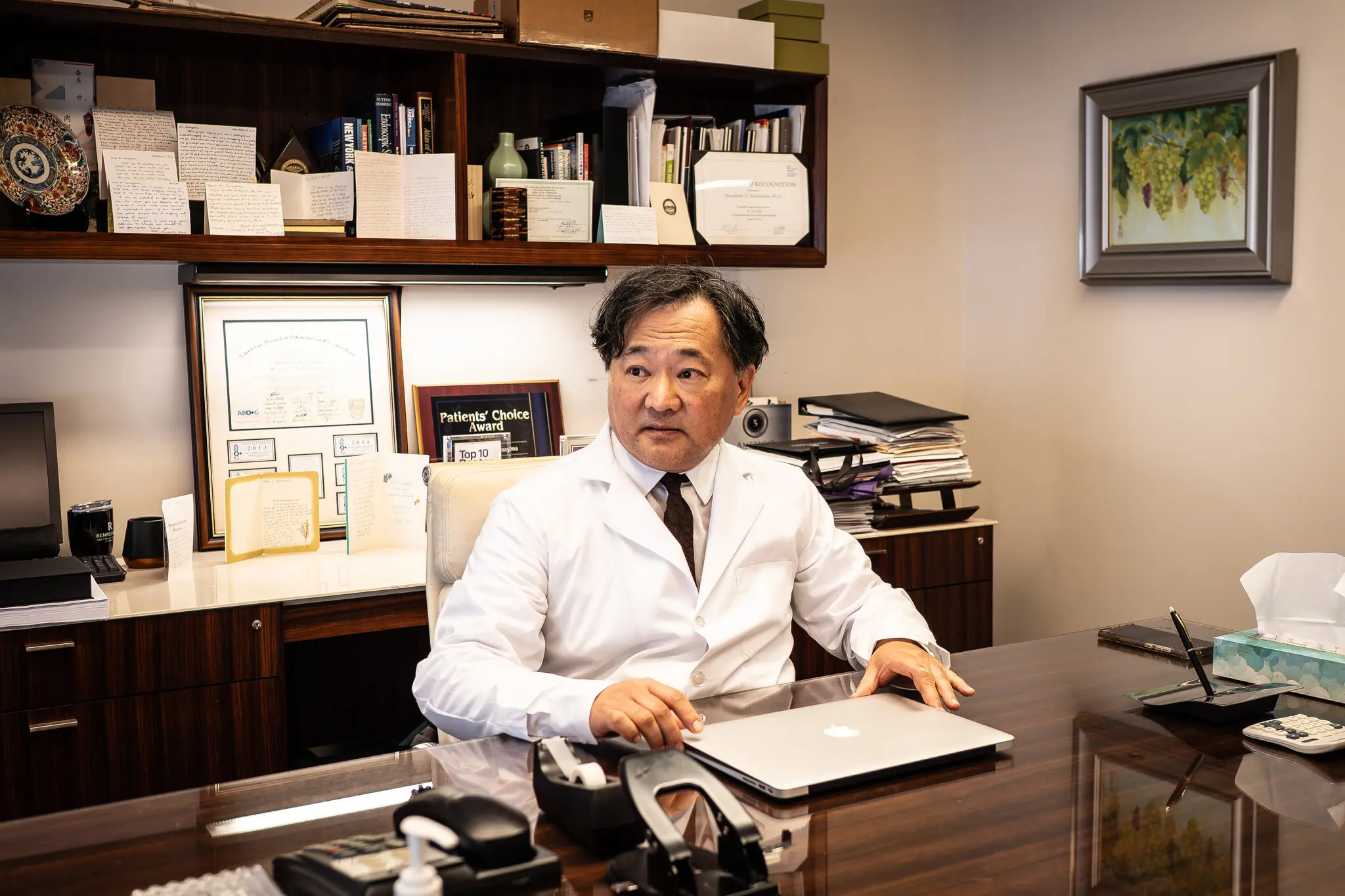
The warrant went unserved after he left for the United States and did not return. Japanese authorities later sought his extradition under the bilateral treaty with Washington. The incidents were part of a wider spate of vandalism that year. Police confirmed similar damage at 48 shrines and temples in 16 prefectures. Sites affected included World Heritage properties such as Nijo Castle and Toji temple in Kyoto , and Todaiji temple in Nara. The man opened a medical clinic in New York and founded a Christian‑affiliated organisation, according to the documents.
Dr Masahide Kanayama, 63, is a Japanese citizen and legal permanent resident of the United States who has practised medicine in Manhattan for nearly three decades. His patients have said his surgeries ended years of crippling pain and, in some cases, allowed them to have children. He is also a practising Christian and the founder of the International Marketplace Ministry, which focuses on personal relationships to God through prayer in daily life and work, Mr Zigismund said in court papers.

 www.nytimes.com
The United States will extradite a 63-year-old doctor to Japan to face arrest over damage to shrine and temple property in Chiba Prefecture more than a decade ago. An investigative source said the suspect, a Japanese national, is expected to arrive on a commercial flight as early as 4 March. In 2015, Chiba prefectural police obtained an arrest warrant. He is suspected of splashing an oil-like liquid on structures at Katori Jingu shrine in Katori and Naritasan Shinshoji temple in Narita.
The warrant went unserved after he left for the United States and did not return. Japanese authorities later sought his extradition under the bilateral treaty with Washington. The incidents were part of a wider spate of vandalism that year. Police confirmed similar damage at 48 shrines and temples in 16 prefectures. Sites affected included World Heritage properties such as Nijo Castle and Toji temple in Kyoto , and Todaiji temple in Nara. The man opened a medical clinic in New York and founded a Christian‑affiliated organisation, according to the documents.
Dr Masahide Kanayama, 63, is a Japanese citizen and legal permanent resident of the United States who has practised medicine in Manhattan for nearly three decades. His patients have said his surgeries ended years of crippling pain and, in some cases, allowed them to have children. He is also a practising Christian and the founder of the International Marketplace Ministry, which focuses on personal relationships to God through prayer in daily life and work, Mr Zigismund said in court papers.
In 2015, the Japanese authorities said, Dr Kanayama left an oily liquid on a thousand-year-old Buddhist temple on the outskirts of Tokyo and, less than an hour later, on a nearby Shinto shrine founded in 643 B.C. during the reign of Japan's first emperor. Dr Kanayama's lawyers have said that he did not vandalise any religious sites, and that "his actions damaged nothing." The Japanese authorities have said that they traced the vandalism to Dr Kanayama through surveillance footage at the two sites, along with car rental, toll and flight records. They also cited YouTube videos from 2012 that showed a man who Japanese officials said was Dr Kanayama talking about anointing shrines with oil for religious purposes.
N.Y. Doctor’s Bid to Avoid Extradition to Japan Fails in Court
Dr. Masahide Kanayama could be sent to Japan next week to face charges that he vandalized ancient religious sites, federal prosecutors said.


 …perhaps even fumi-e (踏み絵)