


- 14 Mar 2002
- 21,050
- 18,904
In Japan's ramen-loving stronghold, a recent study has caused a stir by suggesting that tucking into the popular noodle dish three or more times a week could come with health risks. The research, carried out by universities in Yamagata Prefecture — a region famous for some of the country's highest ramen consumption — indicated that people who ate ramen frequently had roughly a 1.5 times higher risk of death than those who limited themselves to just one or two bowls a week.
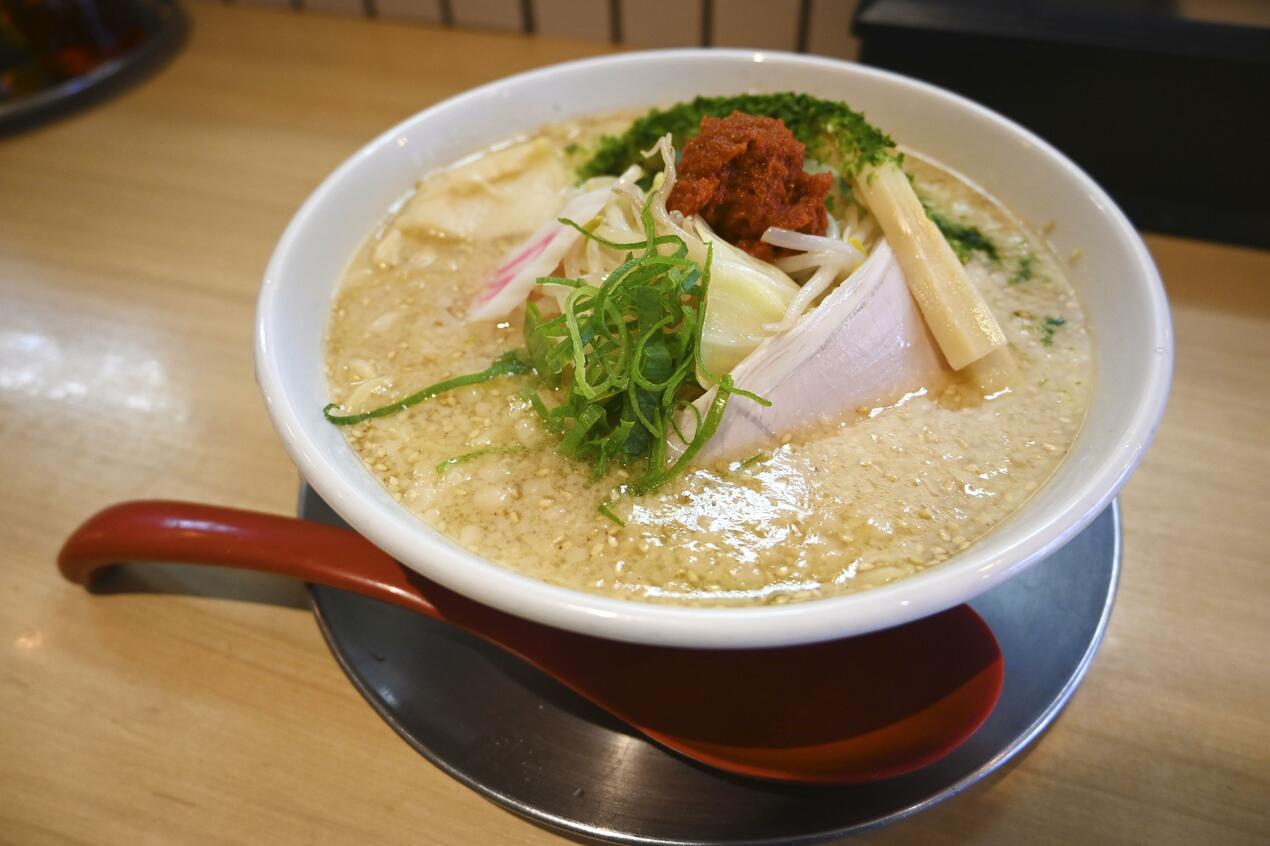
The researchers cautioned that the evidence isn't solid enough to label ramen a health risk at this stage. They emphasised that more detailed studies are needed before anyone can say for sure what impact eating noodles regularly might have.

 english.kyodonews.net
The researchers cautioned that the evidence isn't solid enough to label ramen a health risk at this stage. They emphasised that more detailed studies are needed before anyone can say for sure what impact eating noodles regularly might have.
The picture got even murkier when the team found a slightly higher death risk among people who ate ramen less than once a month. At first glance, that might sound like moderation backfiring, but the researchers suspect it reflects something else entirely: people with existing health problems, such as high blood pressure or diabetes, may already be avoiding ramen in an effort to follow doctors' orders. The study followed 6,725 residents of Yamagata Prefecture aged 40 and above for about four and a half years, grouping participants by how often they ate ramen -- from less than once a month to three or more times a week -- and adjusting for other health and lifestyle factors. The lowest mortality risk, it turned out, was among those eating ramen once or twice a week. For certain groups, the risks piled up. Those under 70 who ate ramen three or more times a week had more than double the risk of dying compared with once-or-twice-a-week eaters. Frequent ramen lovers who also drank alcohol regularly saw their risk rise even higher, to 2.7 times.
Too many bowls? Ramen lovers may face higher health risks, study suggests
In Japan's ramen-loving heartland, researchers have stirred the pot with a study suggesting that slurping down the beloved noodle dish three or more times a week might carry health risks.


 In short:


