

Navigation
Install the app
How to install the app on iOS
Follow along with the video below to see how to install our site as a web app on your home screen.
Note: This feature may not be available in some browsers.
More options
Style variation
System
Light
Dark

You are using an out of date browser. It may not display this or other websites correctly.
You should upgrade or use an alternative browser.
You should upgrade or use an alternative browser.
Japanese for ‘offering’
- Thread starter Ukigumo
- Start date


- 6 Mar 2003
- 9,317
- 9,444
It's so difficult to translate this word that the Catholic Church has been stuck for decades.

 adoremus.org
Why there is no Catechism in Japanese
Online Edition – Vol. VII, No. 2: April 2001 Why there is no Catechism in Japanese Conflict over translation has delayed publication for eight years by Francis Mutsuo Fukushima The "Terminology List" | Theological underpinnings | New terms reflect changed theology | Past presages present...
adoremus.org


- 14 Mar 2002
- 21,050
- 18,903
献上, けんじょう, kenjō - Nihongo Master
presenting to - Meaning of 献上, けんじょう, kenjō. See complete explanation and more examples and pronunciation.
 www.nihongomaster.com
- 14 Mar 2002
- 21,050
- 18,903
I checked the other terms, too, and had them translated:
供物 (くもつ):
refers to offerings presented during funerals or memorial services, typically dedicated to the deceased, the Buddha, or the kami as an expression of respect, mourning, and consolation toward the bereaved family. These offerings are a tangible way of conveying gratitude and remembrance. The term broadly refers to items placed before the spirit of the deceased at a butsudan (仏壇) or kamidana (神棚), and serves as a token of reverence or thankfulness toward the divine or the departed. In Buddhist tradition, offerings often include incense, candles, flowers, fruits, and sweets. In Shintō, more customary offerings consist of seafood, rice, sake, and seasonal fruits. Such offerings are made not only during the funeral or memorial rites, but also on significant occasions like the anniversary of the deceased's passing, obon, and the equinoctial weeks (彼岸 higan), when the living pay respects to their ancestors. The type of kumotsu considered appropriate varies depending on the religious denomination or sect, so it is important to confirm in advance. Within Buddhist practice, the foundational offerings known as the gokū (五供 )comprise five essential elements: incense, flowers, light from a lamp or candle, water, and food or drink. These five are understood as the basic and most respectful offerings to a Buddha or a departed soul. Whatever is chosen, the spirit in which the offering is made is vital. A carefully selected kumotsu expresses both heartfelt appreciation for the deceased and a sincere wish for their peace in the afterlife.
供祭 (ぐさい)
refers both to the act of offering items to deities or Buddhas in a ritual context and to the offerings (供え物 osonaemono) themselves. It broadly encompasses acts of ritual devotion in which tangible objects—typically food, drink, or other symbolic items—are dedicated to kami, Buddhas, or ancestral spirits (祖霊). This act is often performed to express gratitude, ask for blessings, or offer prayers for protection, prosperity, or the well-being of others. Such offerings serve as a gesture of reverence and spiritual communication. Typical examples include placing mochi and mikan on the household kamidana during the New Year, or offering flowers and sweets at ancestral graves during obon. These, too, are considered forms of gusai, even when performed outside of grand religious ceremonies. Importantly, the term does not apply solely to offerings made to gods or Buddhas. It is equally used when placing offerings before the spirit of a deceased family member—for instance, placing fruit or tea before a family butsudan as an expression of remembrance and respect. Gusai captures the enduring importance of physical offerings in maintaining bonds between the living and the spiritual realm.

- 8 Aug 2005
- 7,316
- 3,727
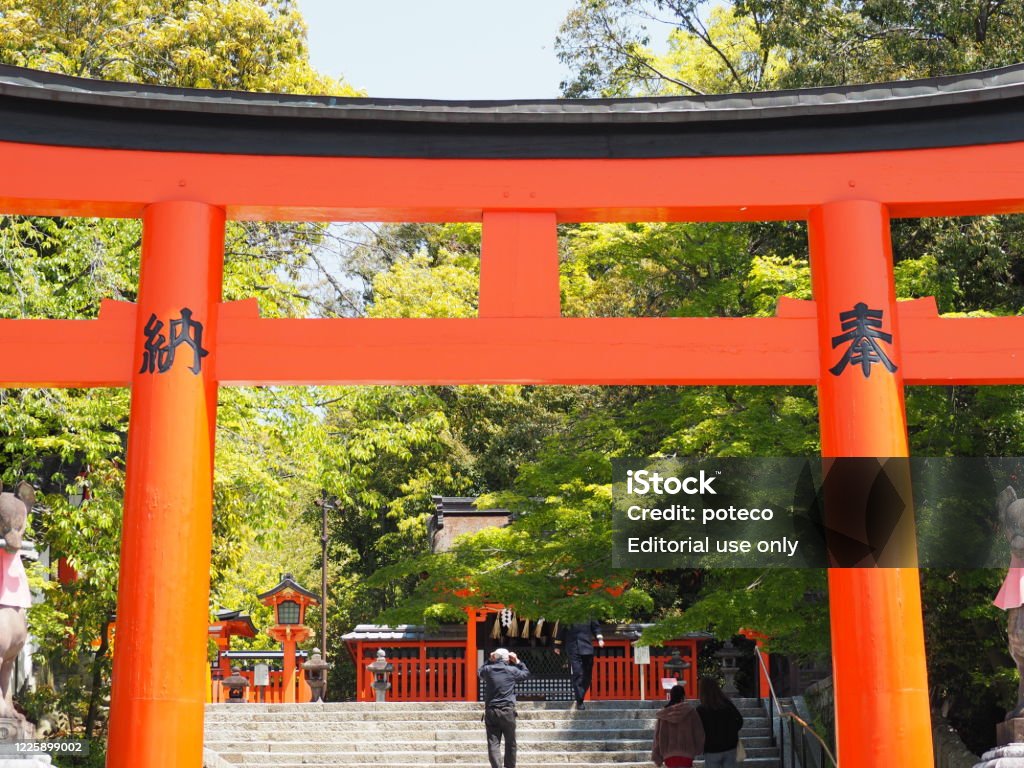
奉納 (ほうのう) is another word for offering, most commonly seen on Torii gates

- 18 Jan 2005
- 11,682
- 3,638
In Buddhism and Shinto , there are differences in the types and meanings of offerings made to deities or spirits.
The Five Offerings in Buddhism (Go-ku / 五供)
In Buddhism, "Go-ku" (五供) refers to the Five Offerings traditionally presented to the Buddha or at a Buddhist altar. These offerings symbolize devotion, respect, and the cultivation of virtues in the practitioner. Each offering has both a literal and a symbolic meaning, helping to deepen one's spiritual practice.
 prtimes.jp
The Five Offerings:
prtimes.jp
The Five Offerings:
Incense (香 / kō)
→ Incense purifies the space and creates a sacred atmosphere.
Symbolizes the fragrance of moral conduct (precepts).
Flowers (華 / ke or ge)
→ Fresh flowers are offered to honor the Buddha's presence.
Symbolizes the impermanence of life and the beauty of enlightenment.
Lamp or Light (燈 / tō or light)
→ A candle or oil lamp is lit to dispel darkness.
Symbolizes wisdom that removes ignorance.
Water (水 / sui)
→ Clean water is offered for purity and refreshment.
Symbolizes clarity, calmness, and purity of mind.
Food (食 / shoku)
→ Cooked rice or fruits are offered as nourishment.
Symbolizes the offering of one's labor and gratitude.
These offerings are not for the Buddha to consume, but rather to remind practitioners of the qualities they should cultivate—such as purity, wisdom, compassion, and impermanence. Making offerings is an act of reverence and an important part of Buddhist devotional practice.
Offerings in Shinto (Shinsen / 神饌)
In Shinto, the indigenous religion of Japan, offerings (called shinsen, 神饌) play a central role in rituals and ceremonies. These offerings are made to kami (deities or spirits) to show respect, gratitude, and to pray for blessings such as health, safety, and prosperity.
Common Shinto Offerings:
Rice (米 / kome)
→ Considered sacred and the most important offering. It symbolizes life, purity, and sustenance.
Sake (酒)
→ Sacred rice wine is offered to please the kami. It represents purification and celebration.
Salt (塩 / shio)
→ Used for purification. It is placed in small mounds or dishes.
Water (水 / mizu)
→ Offered for purity and refreshment of the kami.
Seasonal fruits and vegetables
→ Represent the blessings of nature and the cycles of the earth.
Fish or dried seafood
→ In some rituals, especially in agricultural regions, fish or sea products are included as gifts from the sea.
Other local foods
→ Offerings often reflect regional specialties and seasonal ingredients, emphasizing harmony with nature.
Purpose and Meaning
Shinto offerings are not for consumption by the kami, but are symbolic acts of reverence. The offerings express sincerity (makoto), purity (seijō), and gratitude. After the ritual, the offerings may be consumed by the participants in a practice called "naorai", symbolizing unity between humans and kami.
The offerings are usually presented on a small altar or stand called a sanbo (三方) during ceremonies at shrines or even at household altars (kamidana).
The Five Offerings in Buddhism (Go-ku / 五供)
In Buddhism, "Go-ku" (五供) refers to the Five Offerings traditionally presented to the Buddha or at a Buddhist altar. These offerings symbolize devotion, respect, and the cultivation of virtues in the practitioner. Each offering has both a literal and a symbolic meaning, helping to deepen one's spiritual practice.
お供えの基本「五(ご)供(く)」を知っていますか?お彼岸(9月19日~9月25日)に迷わない!お供えマナーをご紹介します
株式会社メモリアルアートの大野屋のプレスリリース(2016年9月9日 17時30分)お供えの基本「五(ご)供(く)」を知っていますか?お彼岸(9月19日~9月25日)に迷わない!お供えマナーをご紹介します
prtimes.jp
Incense (香 / kō)
→ Incense purifies the space and creates a sacred atmosphere.
Symbolizes the fragrance of moral conduct (precepts).
Flowers (華 / ke or ge)
→ Fresh flowers are offered to honor the Buddha's presence.
Symbolizes the impermanence of life and the beauty of enlightenment.
Lamp or Light (燈 / tō or light)
→ A candle or oil lamp is lit to dispel darkness.
Symbolizes wisdom that removes ignorance.
Water (水 / sui)
→ Clean water is offered for purity and refreshment.
Symbolizes clarity, calmness, and purity of mind.
Food (食 / shoku)
→ Cooked rice or fruits are offered as nourishment.
Symbolizes the offering of one's labor and gratitude.
These offerings are not for the Buddha to consume, but rather to remind practitioners of the qualities they should cultivate—such as purity, wisdom, compassion, and impermanence. Making offerings is an act of reverence and an important part of Buddhist devotional practice.
Offerings in Shinto (Shinsen / 神饌)
In Shinto, the indigenous religion of Japan, offerings (called shinsen, 神饌) play a central role in rituals and ceremonies. These offerings are made to kami (deities or spirits) to show respect, gratitude, and to pray for blessings such as health, safety, and prosperity.
Common Shinto Offerings:
Rice (米 / kome)
→ Considered sacred and the most important offering. It symbolizes life, purity, and sustenance.
Sake (酒)
→ Sacred rice wine is offered to please the kami. It represents purification and celebration.
Salt (塩 / shio)
→ Used for purification. It is placed in small mounds or dishes.
Water (水 / mizu)
→ Offered for purity and refreshment of the kami.
Seasonal fruits and vegetables
→ Represent the blessings of nature and the cycles of the earth.
Fish or dried seafood
→ In some rituals, especially in agricultural regions, fish or sea products are included as gifts from the sea.
Other local foods
→ Offerings often reflect regional specialties and seasonal ingredients, emphasizing harmony with nature.
Purpose and Meaning
Shinto offerings are not for consumption by the kami, but are symbolic acts of reverence. The offerings express sincerity (makoto), purity (seijō), and gratitude. After the ritual, the offerings may be consumed by the participants in a practice called "naorai", symbolizing unity between humans and kami.
The offerings are usually presented on a small altar or stand called a sanbo (三方) during ceremonies at shrines or even at household altars (kamidana).
- 8 Aug 2005
- 7,316
- 3,727
In Buddhism and Shinto, there are differences in the types and meanings of offerings made to deities or spirits.
The Five Offerings in Buddhism (Go-ku / 五供)
In Buddhism, "Go-ku" (五供) refers to the Five Offerings traditionally presented to the Buddha or at a Buddhist altar. These offerings symbolize devotion, respect, and the cultivation of virtues in the practitioner. Each offering has both a literal and a symbolic meaning, helping to deepen one's spiritual practice.
The Five Offerings:お供えの基本「五(ご)供(く)」を知っていますか?お彼岸(9月19日~9月25日)に迷わない!お供えマナーをご紹介します
株式会社メモリアルアートの大野屋のプレスリリース(2016年9月9日 17時30分)お供えの基本「五(ご)供(く)」を知っていますか?お彼岸(9月19日~9月25日)に迷わない!お供えマナーをご紹介します
Incense (香 / kō)
→ Incense purifies the space and creates a sacred atmosphere.
Symbolizes the fragrance of moral conduct (precepts).
Flowers (華 / ke or ge)
→ Fresh flowers are offered to honor the Buddha's presence.
Symbolizes the impermanence of life and the beauty of enlightenment.
Lamp or Light (燈 / tō or light)
→ A candle or oil lamp is lit to dispel darkness.
Symbolizes wisdom that removes ignorance.
Water (水 / sui)
→ Clean water is offered for purity and refreshment.
Symbolizes clarity, calmness, and purity of mind.
Food (食 / shoku)
→ Cooked rice or fruits are offered as nourishment.
Symbolizes the offering of one's labor and gratitude.
These offerings are not for the Buddha to consume, but rather to remind practitioners of the qualities they should cultivate—such as purity, wisdom, compassion, and impermanence. Making offerings is an act of reverence and an important part of Buddhist devotional practice.
Offerings in Shinto (Shinsen / 神饌)
In Shinto, the indigenous religion of Japan, offerings (called shinsen, 神饌) play a central role in rituals and ceremonies. These offerings are made to kami (deities or spirits) to show respect, gratitude, and to pray for blessings such as health, safety, and prosperity.
Common Shinto Offerings:
Rice (米 / kome)
→ Considered sacred and the most important offering. It symbolizes life, purity, and sustenance.
Sake (酒)
→ Sacred rice wine is offered to please the kami. It represents purification and celebration.
Salt (塩 / shio)
→ Used for purification. It is placed in small mounds or dishes.
Water (水 / mizu)
→ Offered for purity and refreshment of the kami.
Seasonal fruits and vegetables
→ Represent the blessings of nature and the cycles of the earth.
Fish or dried seafood
→ In some rituals, especially in agricultural regions, fish or sea products are included as gifts from the sea.
Other local foods
→ Offerings often reflect regional specialties and seasonal ingredients, emphasizing harmony with nature.
Purpose and Meaning
Shinto offerings are not for consumption by the kami, but are symbolic acts of reverence. The offerings express sincerity (makoto), purity (seijō), and gratitude. After the ritual, the offerings may be consumed by the participants in a practice called "naorai", symbolizing unity between humans and kami.
The offerings are usually presented on a small altar or stand called a sanbo (三方) during ceremonies at shrines or even at household altars (kamidana).
In Tibetan buddhism there is a similar manner of making offerings in the form of various precious items and qualities, and there are associated mudras (hand gestures). In many sadhana (practices) this order of offerings and gestures are seen:
There is also an entire sadhana known as the smoke offering, which is practiced by Garchen Rinpoche (a contemporary of the Dalai Lama) every morning:
Similar threads


- Locked
- Sticky
- Replies
- 0
- Views
- 16K
