- 14 Mar 2002
- 21,050
- 18,903
Someone called it "pulling a Joe Biden," though that's a lame comparison:
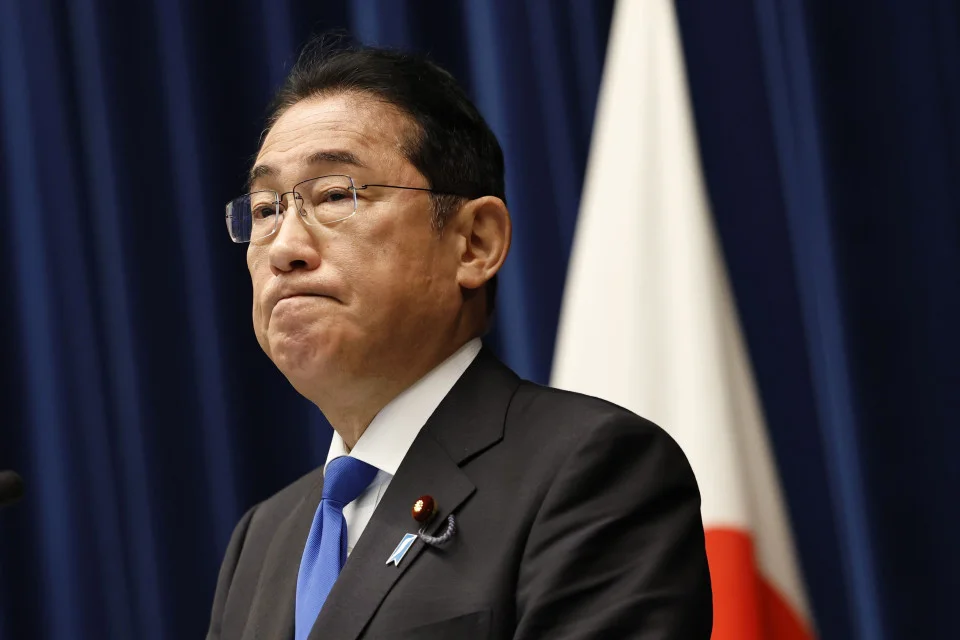
Japan's Prime Minister Fumio Kishida has announced that he will not seek re-election as the leader of the ruling Liberal Democratic Party (LDP), stating that the party requires a "new start." The 67-year-old veteran of the LDP is anticipated to resign from his position as Prime Minister after a new leader is elected in September. Kishida's support has waned following a corruption scandal involving his party, rising living costs, and a declining yen. His approval ratings had dropped to 15.5% the previous month, marking the lowest figure for a Prime Minister in over a decade.
During a press conference on Wednesday, Kishida expressed the necessity of demonstrating to the public that the Liberal Democratic Party is ready for change. He emphasized the importance of a transparent and open election process and free and open debate. Kishida noted that stepping back from his position would be a clear and understandable step indicating the LDP's willingness to evolve. Within the party, there are concerns about Kishida's ability to lead the LDP to victory in the upcoming general election scheduled for 2025. The LDP has been in power almost continuously since 1955.
 www.bbc.com
Explainer: What you need to know about Japan picking its next prime minister
Japan's Prime Minister Fumio Kishida has announced that he will not seek re-election as the leader of the ruling Liberal Democratic Party (LDP), stating that the party requires a "new start." The 67-year-old veteran of the LDP is anticipated to resign from his position as Prime Minister after a new leader is elected in September. Kishida's support has waned following a corruption scandal involving his party, rising living costs, and a declining yen. His approval ratings had dropped to 15.5% the previous month, marking the lowest figure for a Prime Minister in over a decade.
During a press conference on Wednesday, Kishida expressed the necessity of demonstrating to the public that the Liberal Democratic Party is ready for change. He emphasized the importance of a transparent and open election process and free and open debate. Kishida noted that stepping back from his position would be a clear and understandable step indicating the LDP's willingness to evolve. Within the party, there are concerns about Kishida's ability to lead the LDP to victory in the upcoming general election scheduled for 2025. The LDP has been in power almost continuously since 1955.
Analysts have told the BBC that Japan is going through a "once-in-a-generation" political crisis as the ruling party fights to clean up its image. Last December, four LDP cabinet ministers resigned within a fortnight over a fundraising scandal involving the ruling party's most powerful faction. Five senior vice-ministers and a parliamentary vice-minister from the same faction, formerly led by the late PM Shinzo Abe, also quit. Japan's prosecutors launched a criminal investigation into whether dozens of LDP lawmakers received proceeds from fundraising events that saw millions of dollars kept off official party records. However, Mr Kishida's handling of the fundraising scandal drew public criticism, which made him more unpopular. The controversy also unfolded as Japanese households struggled with food prices soaring at the fastest rate in almost half a century.
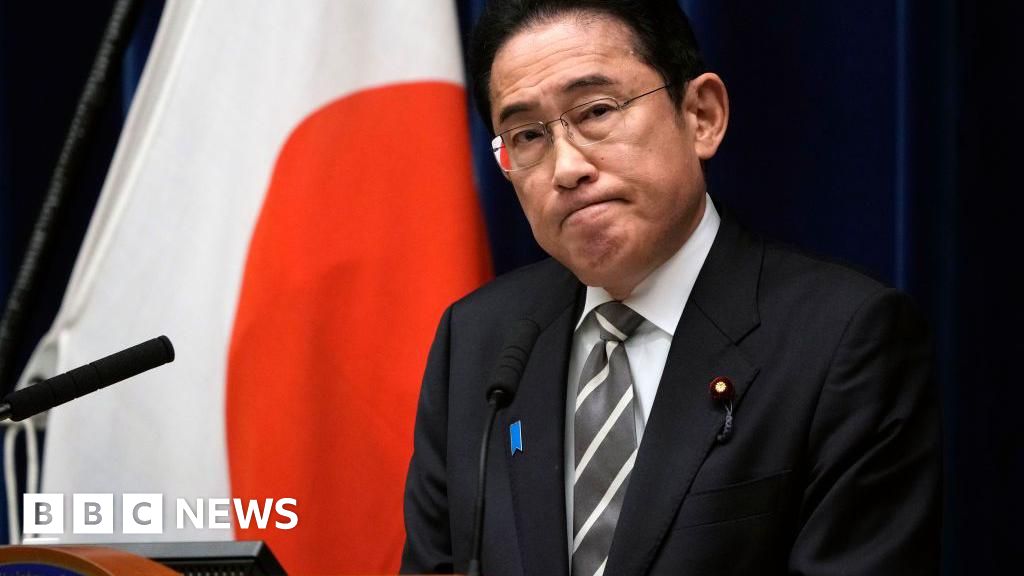
Japan set for new PM as Fumio Kishida bows out as party leader
Support for Fumio Kishida has fallen amid a huge corruption scandal that hit his party.
www.bbc.com
Under Japan's parliamentary system, the leader of the ruling party, or coalition of parties, becomes prime minister. For almost all of Japan's post-World War II history, the premier has hailed from Kishida's Liberal Democratic Party (LDP). The LDP must hold a leadership race every three years. The next one is due to be held in September, although the dates have yet to be set. Candidates for the party's leadership need 20 signatures from LDP parliamentarians. Former Defence Minister Shigeru Ishiba and former Foreign Minister Toshimitsu Motegi are among those seen as frontrunners. Political factions are critical in LDP leadership contests, with former prime ministers Taro Aso, Yoshihide Suga and Kishida himself seen as potential kingmakers.
Explainer: What you need to know about Japan picking its next prime minister