


- 14 Mar 2002
- 21,050
- 18,904
Three hospitals in Maysusaka City, Mie Prefecture , will start charging emergency care patients 7,700 JPY (about USD 52) for ambulance rides in June as "elective medical expenses" if they end up not staying in the hospital overnight, the municipal government announced last Monday. The initiative intends to promote responsible ambulance usage within the community. During a press briefing, Mayor Masato Takegami of Matsusaka clarified, "This doesn't imply, 'Please refrain from contacting an ambulance.' We aim to ensure that individuals don't hesitate to seek medical assistance when experiencing pain."
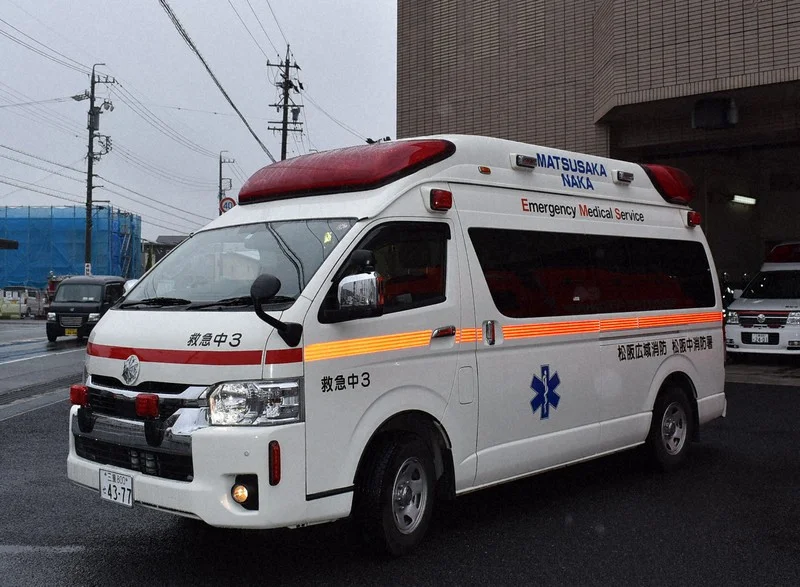
Matsusaka Fire Department ambulance is seen in Matsusaka, Mie Prefecture (Mainichi)
Despite the liaison group's efforts to encourage residents to use ambulance services exclusively for emergencies and to consult their family doctors for other health concerns, the number of ambulance dispatches rose, reaching 15,539 in 2022. Compared to fire departments of similar size across Japan, the Matsusaka Fire Department had the highest ambulance call rate per 10,000 people. Remarkably, 56.6% of these cases were categorized as minor and did not necessitate hospitalization. Furthermore, the liaison group surveyed the city's three core hospitals between April and June 2022, revealing that more than half of the patients who made emergency calls did not require hospital stays.

 mainichi.jp
Matsusaka Fire Department ambulance is seen in Matsusaka, Mie Prefecture (Mainichi)
The three core hospitals in the city -- Saiseikai Matsusaka General Hospital, Matsusaka Chuo General Hospital and Matsusaka Municipal Hospital -- are in charge of treating patients in severe condition who require hospital stays or surgeries in the area covered by the Matsusaka Fire Department, which consists of the city of Matsusaka and the towns of Taki and Meiwa. According to the Matsusaka Municipal Government, exceptions for ambulance charges include those involved in traffic accidents, public servants' injuries in the line of duty, emergency transportation with a referral letter from the family doctor, and those covered by publicly funded health care. Furthermore, the doctor in charge of the patient will make the final decision whether to charge for the ambulance ride even when the patient doesn't stay at the hospital overnight. The Matsusaka Fire Department dispatched ambulances over 15,000 times in 2018. Fearing lives could be endangered if ambulance call numbers continued to rise, straining emergency medical services, local medical associations and other parties launched a liaison group in December 2021 to discuss possible countermeasures. They also looked over the planned work-style reform for doctors slated to take effect in April 2024 and aimed at reducing doctors' overtime.
Despite the liaison group's efforts to encourage residents to use ambulance services exclusively for emergencies and to consult their family doctors for other health concerns, the number of ambulance dispatches rose, reaching 15,539 in 2022. Compared to fire departments of similar size across Japan, the Matsusaka Fire Department had the highest ambulance call rate per 10,000 people. Remarkably, 56.6% of these cases were categorized as minor and did not necessitate hospitalization. Furthermore, the liaison group surveyed the city's three core hospitals between April and June 2022, revealing that more than half of the patients who made emergency calls did not require hospital stays.
Hospitals in Japan city to start charging $52 for ambulance rides for mild cases - The Mainichi
MATSUSAKA, Mie -- Three hospitals in this central Japan city will start charging emergency care patients 7,700 yen (about $52) for ambulance rides in


