


- 14 Mar 2002
- 21,050
- 18,903
Demand for products made with yomogi (よもぎ), or Japanese mugwort, has been rising in Japan as soaring matcha prices and growing interest in health-focused foods prompt manufacturers and cafés to seek alternative ingredients. Once mostly associated with traditional sweets and herbal remedies, yomogi is now appearing in drinks, desserts, skincare products and wellness treatments.
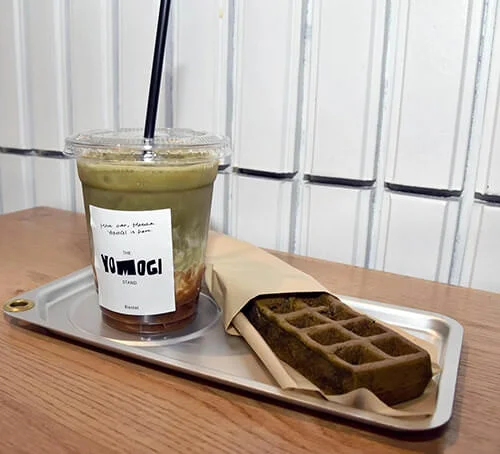 Yomogi (よもぎ), or Japanese mugwort, has long been associated with traditional foods such as yomogi mochi and folk remedies for insect bites or minor wounds. Recently, though, the herb has been appearing in an increasing range of products, from oat milk drinks and waffles to skincare and bath additives, as interest in health-conscious, caffeine-free ingredients continues to rise.
One Tokyo café specialising in yomogi-based drinks and desserts says foreign visitors now make up about 60% of its customers. The shop uses yomogi powder produced together with a herbal garden in Kumamoto. Customers describe the flavour as herbal, naturally sweet, and easy to drink.
The recent boom is also being linked to soaring matcha prices. Food suppliers say manufacturers are increasingly looking at yomogi as a cheaper alternative because it produces a deep green colour and retains it well. An Osaka company dealing in yomogi products says enquiries have surged since last autumn, with shipment volumes expected to hit record levels.
Most yomogi sold in Japan still comes from China, despite the plant growing wild across the country. Domestic production has struggled because of ageing farming communities and labour shortages. In response, some agricultural cooperatives have started cultivating yomogi on unused farmland. One cooperative in Niigata says shipments have more than doubled in recent years, while prices have also climbed.
The herb's growing popularity is spreading beyond food. Cosmetics companies have launched yomogi skincare products and bath additives, while the Korean wellness treatment known as "yomogi steaming" has been gaining popularity among younger consumers in Japan, partly alongside the wider rise of Korean beauty trends and "femcare" products.

 www.yomiuri.co.jp
 www.vogue.co.jp
Photo credit: Yomogi Stand
One Tokyo café specialising in yomogi-based drinks and desserts says foreign visitors now make up about 60% of its customers. The shop uses yomogi powder produced together with a herbal garden in Kumamoto. Customers describe the flavour as herbal, naturally sweet, and easy to drink.
The recent boom is also being linked to soaring matcha prices. Food suppliers say manufacturers are increasingly looking at yomogi as a cheaper alternative because it produces a deep green colour and retains it well. An Osaka company dealing in yomogi products says enquiries have surged since last autumn, with shipment volumes expected to hit record levels.
Most yomogi sold in Japan still comes from China, despite the plant growing wild across the country. Domestic production has struggled because of ageing farming communities and labour shortages. In response, some agricultural cooperatives have started cultivating yomogi on unused farmland. One cooperative in Niigata says shipments have more than doubled in recent years, while prices have also climbed.
The herb's growing popularity is spreading beyond food. Cosmetics companies have launched yomogi skincare products and bath additives, while the Korean wellness treatment known as "yomogi steaming" has been gaining popularity among younger consumers in Japan, partly alongside the wider rise of Korean beauty trends and "femcare" products.
抹茶高騰や健康志向でよもぎ注目、「自然な甘み」ドリンクやワッフル人気…栽培追いつかず6割以上が中国産
【読売新聞】 古くからよもぎ餅や止血薬として親しまれてきた「よもぎ」。ところが最近、飲み物などこれまでなかった形で見かけることが増えてきている。よもぎが目立ち始めた背景を探ってみた。(上田津希乃) 4月中旬、東京・代官山にあるドリン
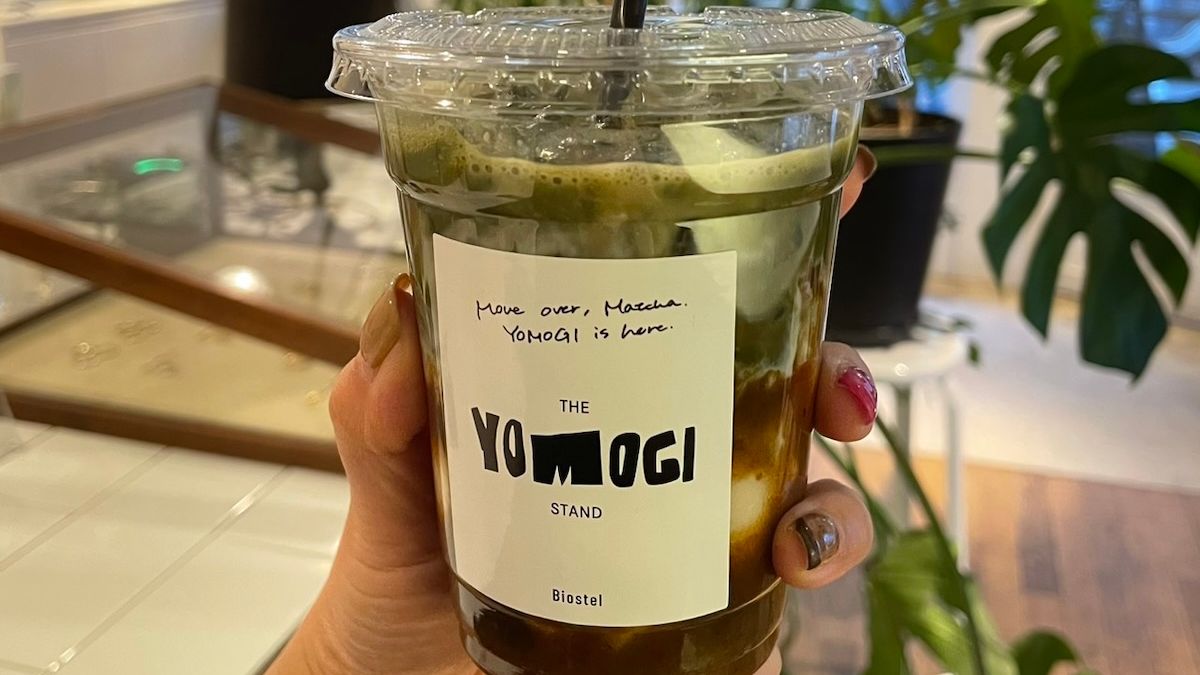
抹茶に続く次世代スーパーフードは“よもぎ”。代官山で見つけたパワースポット「THE YOMOGI STAND」(Yuna Shibata)
海外で空前の抹茶ブームが話題に。そんな抹茶に続く日本発のスーパーフードはなんと、雑草の“よもぎ”だった。世界初の発酵よもぎ専門ドリンクスタンド「THE YOMOGI STAND」では、熊本・阿蘇のよもぎを使ったドリンクやフードを楽しめるとのことで遊びに行ってみた。


