


- 14 Mar 2002
- 21,104
- 18,998
Tokyo is working to double its network of bike lanes and other cycling infrastructure to 900 kilometres by 2030 as it seeks to make riding safer following the introduction of stricter traffic rules that have pushed cyclists off pavements and onto the roads. Authorities had received more requests from residents since April for improvements that would allow bicycles to travel more safely.
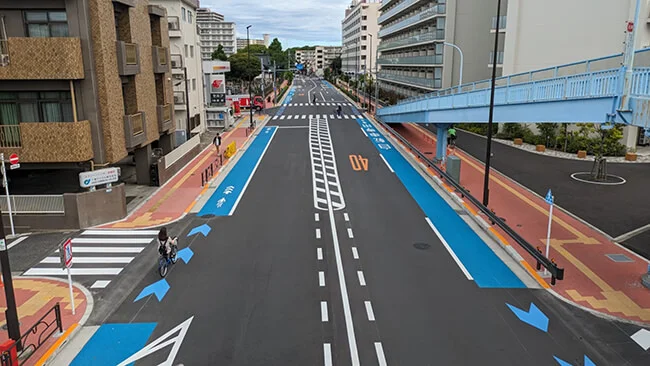
Under the traffic violation ticketing system introduced in April, cyclists can be fined ¥6,000 (about US$38) for offences such as riding on the pavement or travelling against traffic. Riding on the pavement is still permitted when necessary for safety, but only under limited circumstances. Cyclists are generally required to ride on the left-hand side of the road. Many residents, however, say narrow streets leave them riding uncomfortably close to passing vehicles.
Where roads are too narrow for dedicated bike lanes, Tokyo uses shared-road layouts marked with arrows and other road markings to show cyclists the correct direction of travel. These are also used on streets where the speed limit is below 40 km/h and daily traffic volumes are fewer than 4,000 vehicles. In locations where neither dedicated lanes nor shared-road layouts are practical, the city creates designated cycling space on pavements.
Paywall alert:

 asia.nikkei.com
Under the traffic violation ticketing system introduced in April, cyclists can be fined ¥6,000 (about US$38) for offences such as riding on the pavement or travelling against traffic. Riding on the pavement is still permitted when necessary for safety, but only under limited circumstances. Cyclists are generally required to ride on the left-hand side of the road. Many residents, however, say narrow streets leave them riding uncomfortably close to passing vehicles.
The city had completed 436 km of bike lanes as of the end of March. But amid the concerns from citizens, "we recognise that we must further accelerate the development of this infrastructure," the Tokyo official said. Tokyo aims to expand the network to 900 km by 2030 and 1,800 km during the 2040s. Bike lanes broadly consist of two types: those created along the edges of roadways and those established by dividing pedestrian sidewalks into separate zones. Tokyo is focusing on expanding dedicated bike lanes on roadways, designated where at least 1.5 meters of road width is available along the edge. These lanes are designated exclusively for bicycle traffic. Tokyo generally puts them on roads where vehicle speeds exceed 40 kilometres per hour.
Where roads are too narrow for dedicated bike lanes, Tokyo uses shared-road layouts marked with arrows and other road markings to show cyclists the correct direction of travel. These are also used on streets where the speed limit is below 40 km/h and daily traffic volumes are fewer than 4,000 vehicles. In locations where neither dedicated lanes nor shared-road layouts are practical, the city creates designated cycling space on pavements.
Paywall alert:
Tokyo to double bike lane network to 900 km by 2030
City receives safety complaints after new fines force riders off sidewalks
asia.nikkei.com


