Politics The role of the Unification Church in Japanese politics

Today, the Unification Church announced that it had filed an appeal with the Tokyo High Court, challenging a lower court's decision to dissolve the organization following a request from the central government. According to a representative, they had no choice but to appeal the decision to "uphold democracy and the freedom of religion."

And the "freedom to cheat, manipulate and destroy the lives of members and their families."

 
Today, the Unification Church announced that it had filed an appeal with the Tokyo High Court, challenging a lower court's decision to dissolve the organization following a request from the central government. According to a representative, they had no choice but to appeal the decision to "uphold democracy and the freedom of religion."

And the "freedom to cheat, manipulate and destroy the lives of members and their families."

Nothing like watching a cult be dissolved, I always say. If they've done something bad enough to have somebody have the grudge to shoot a former PM because he was affiliated seems like grounds for dissolution to me.
 
Today, eight individuals who were born to followers of the Family Federation for World Peace and Unification—formerly known as the Unification Church—filed a lawsuit with the Tokyo District Court, seeking approximately 320 million yen (around $2.19 million) in damages from the organisation. The plaintiffs are often referred to as "second-generation" members. They claim they were denied the ability to make their own life choices and suffered severe psychological harm as a result. While acknowledging their parents' roles, they argue that the parents acted under the strong influence of the church's doctrines, and therefore hold the organisation itself accountable.

The plaintiffs' lawyer stated that this lawsuit is believed to be the first group legal action brought by second-generation members of the former Unification Church. The plaintiffs claim that the organisation systematically encouraged parents to place religious observance above the fundamental rights of their children, creating a deeply distorted environment for their upbringing. They allege that this led to violations of their rights, including freedom of religion and the right to choose their marriage partners. The broader issue of harm suffered by children of devout followers gained national prominence following the assassination of former PM Abe in Nara in July 2022. The suspect, Tetsuya Yamagami, who has been charged with murder and other crimes, reportedly stated that his mother's involvement with the Unification Church had ruined their family.

 
Today, eight individuals who were born to followers of the Family Federation for World Peace and Unification—formerly known as the Unification Church—filed a lawsuit with the Tokyo District Court, seeking approximately 320 million yen (around $2.19 million) in damages from the organisation. The plaintiffs are often referred to as "second-generation" members. They claim they were denied the ability to make their own life choices and suffered severe psychological harm as a result. While acknowledging their parents' roles, they argue that the parents acted under the strong influence of the church's doctrines, and therefore hold the organisation itself accountable.


It is an interesting question. The parents were the enforcers for them but were essentially following orders of the cult church they belonged to.

So who is liable and to what degree?
 
Good news: The Tokyo District Court has authorised the provisional seizure of land that formerly served as the Japanese headquarters of the Unification Church, a first essential move toward enabling former followers to recover the large sums they donated to the organisation.

This decision was disclosed on 30 July by a legal team representing victims of the Family Federation for World Peace and Unification's fundraising practices, which have long drawn public scrutiny. The Tokyo District Court handed down the order on 18 July following a petition from ten women, all aged between their 50s and 80s, who once belonged to the religious group. The women claim they were collectively pressured into donating a total of 227 million yen (approximately $1.52 million), and describe the organisation's methods as exploitative. In response, the court has moved to block the sale or transfer of the Shibuya Ward property, effectively freezing the asset during the ongoing litigation. The land, situated in Tokyo's affluent Shoto district, is believed to be worth roughly the same amount as the women are seeking in compensation. Despite the court's order, day-to-day activities at the site may continue for the time being. The victims' legal team expressed concern that the group might attempt to conceal or shift assets, especially with the government-led dissolution of the Unification Church potentially set to be finalised before the end of the year.

 
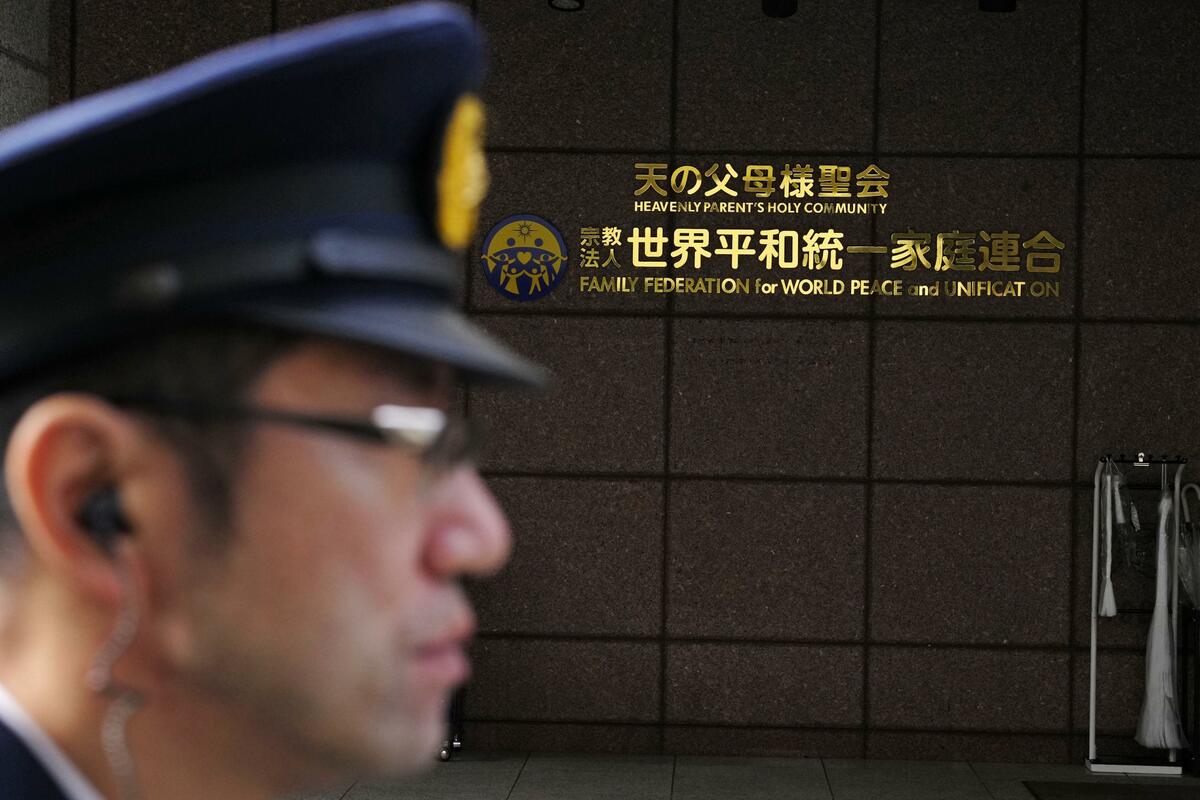
Tanaka Tomihirohe, the 69-year-old head of the Unification Church in Japan, said he would step down after offering what he called a sincere apology to people who say the organisation harmed them. At a news conference at the church's Tokyo headquarters on 9 December, he acknowledged that some individuals had suffered as a result of the group's activities, while insisting his apology carried no legal admission and repeating the claim that the church had never engaged in criminal acts. His resignation took effect that day, with former vice-president Masaichi Hori, 55, taking over.

Tanaka Tomihirohe, the head of the Unification Church in Japan

Tanaka Tomihirohe, the head of the Unification Church in Japan


Tanaka noted that the church—now formally known as the Family Federation for World Peace and Unification—established a compensation committee in October to address demands for refunds of large donations. He said the organisation had decided to confront the issue beyond legal requirements. He suggested that matters were beginning to move toward resolution, pointing to the recent settlement of several collective mediation cases brought by lawyers representing former followers.

But the church faces another serious problem. After a government investigation into the church's financial activities, including its collection of often huge donations from followers, the Tokyo District Court in March ordered the dissolution of the religious organization. The church filed an immediate appeal. If the Tokyo High Court, which concluded hearings in November, upholds the dissolution order, liquidation proceedings will begin. "I believe (the dissolution order) will be overturned at the high court," Tanaka said.

 
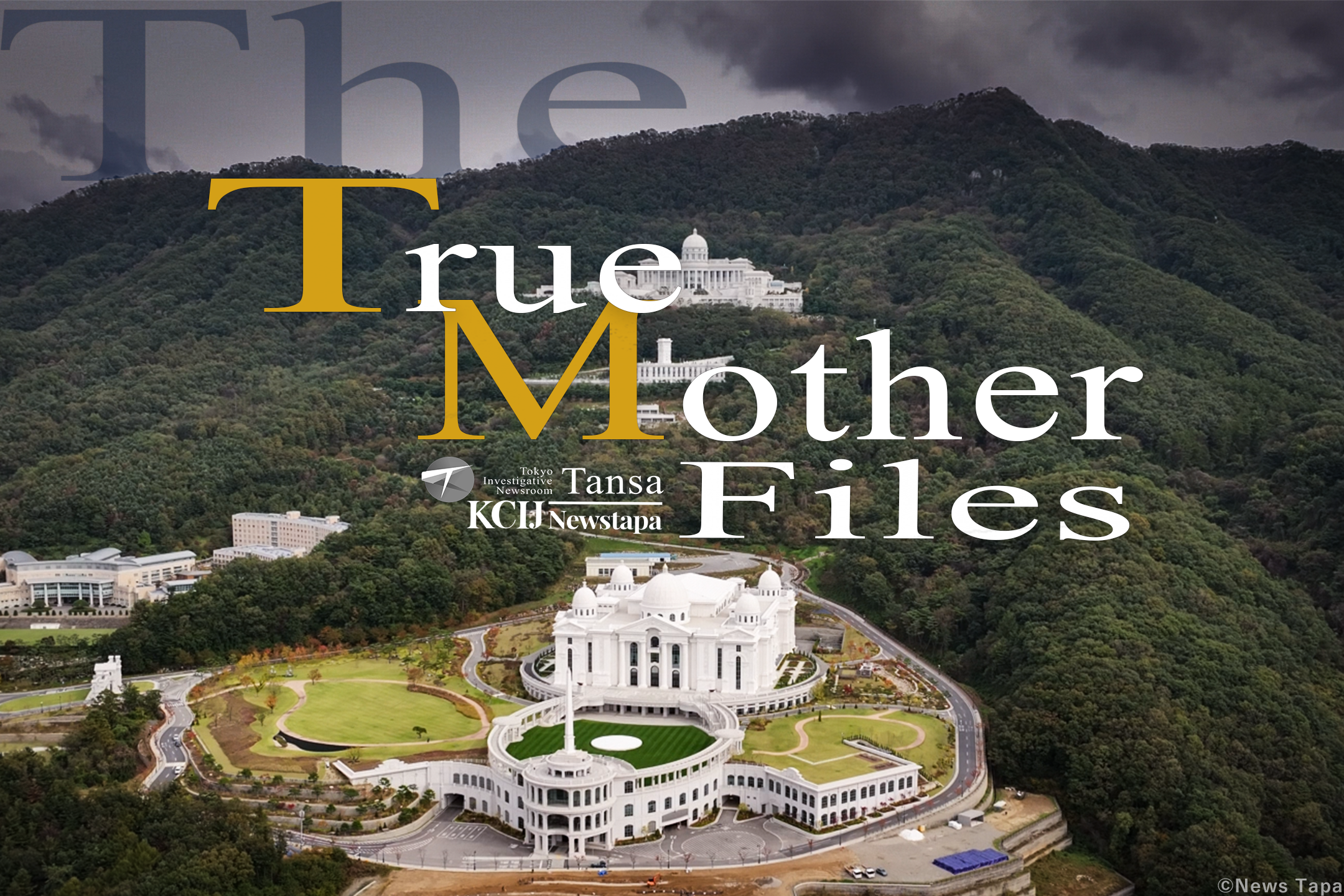
Tansa, the Tokyo Investigative Newsroom, recently released a comprehensive report on the role of the Unification Church in Japanese politics:

Japan-Korea Joint Investigation

"TM (True Mother) Report" - Unification Church Has Infiltrated the Liberal Democratic Party


Is the LDP truly fit to govern as the ruling party? The TM Report contains a wealth of material that demands investigation. However, Prime Minister Takaichi is seeking a public mandate while keeping the issue of ties with the Unification Church under wraps. During the election period, which begins on 27 January with the official announcement and concludes with voting on 8 February, Tansa will publish detailed reports on the TM Report, drawing on the findings of our joint investigation with Korea's Newstapa. We hope you will use this as a basis for your voting decision.

 
Wasn't there a thing going on with the Government looking into stripping the Church's status of a religious organization? Any news on that?
 
The church is currently in suspension, not yet dissolved. The case is now before the Tokyo High Court, and once it issues its verdict, we can expect the Moonies to appeal to the Supreme Court. It could take some time for the dissolution to take effect.
 
The church is currently in suspension, not yet dissolved. The case is now before the Tokyo High Court, and once it issues its verdict, we can expect the Moonies to appeal to the Supreme Court. It could take some time for the dissolution to take effect.
If the Tokyo High Court upholds the dissolution order, simply based on logic and the fact that the Supreme Court is known for being conservative, I can't see how they hope to succeed with the Supreme Court.
 
If the Tokyo High Court upholds the dissolution order, simply based on logic and the fact that the Supreme Court is known for being conservative, I can't see how they hope to succeed with the Supreme Court.
Theoretically it should depend on the law, not whether they are conservative or not. That's what really annoys me about the U.S. supreme court. There would be fewer split decisions if they actually follow the law and not hypocritically try to make the law fit their preferred result.
 
Theoretically it should depend on the law, not whether they are conservative or not. That's what really annoys me about the U.S. supreme court. There would be fewer split decisions if they actually follow the law and not hypocritically try to make the law fit their preferred result.
I agree, however simply based on what I've gleaned from this thread and research on the Abe Shinzo assassination, I too would be looking for every excuse to dissolve the church, which is what I expect the Supreme Court to do.
 
Last edited:
Today, the Tokyo High Court upheld an order dissolving the Unification Church, backing a request from the central government. Liquidation procedures will begin immediately. Presiding Judge Miki Motoko said the ruling reflected concerns that the organisation may still be involved in unlawful fundraising practices that leave followers and others in severe financial distress. The court concluded the group could continue such activities. The judges also found little reason to believe the church would curb those practices on its own. Miki said the organisation could not be expected to voluntarily prevent members from engaging in illicit conduct.

A former follower from Kanagawa Prefecture welcomed the decision. He said the court had answered years of complaints from people who suffered harm through their involvement with the group. He added that he hoped society would accept those who had left the church.

Although the group can still appeal to the Supreme Court, the high court's order took immediate effect. The controversial organization lost its status as a religious corporation and its associated tax advantages as the liquidation process began. Under Japan's legal system, authorities can ask courts to order a dissolution if a religious corporation "commits an act that is clearly found to substantially harm public welfare."


Japan's Supreme Court has upheld a lower court order to dissolve the controversial Unification Church, describing the move as necessary and unavoidable after decades of aggressive fundraising practices targeting followers. The group came under renewed scrutiny following the assassination of former PM Abe in 2022. The suspect in the killing reportedly blamed the church for the severe financial hardship his family had suffered because of donations made to the organisation. The case also exposed longstanding ties between the church and LDP politicians.

In its final ruling on Monday, the Supreme Court's Third Petty Bench, presided over by Justice Eriko Watanabe, found that dissolving the religious corporation was justified despite the possible psychological impact on believers. The court said the church had failed to take effective steps to stop the systematic solicitation of large donations, often by encouraging followers to meet unrealistic targets. It also rejected the group's argument that a dissolution order violated the constitutional guarantee of religious freedom, thereby affirming the lower court's decision.

 
Back
Top Bottom