- 14 Mar 2002
- 21,054
- 18,909
Over the past few weeks, rising consumer prices have been a common topic on Japanese media. No price hike has startled the audience more than the 2-yen hike of umaibō (うまい棒), a famous corn puff snack that was launched in 1979 and had been sold for 10 yen ever since. It comes in three flavours: corn potage, mentaiko (spicy cod roe), and cheese. Many see umaibō as an economic indicator of Japan Inc.'s performance: in 2007, umaibō snacks were reduced in size and weight, shaving off 1 gramme.
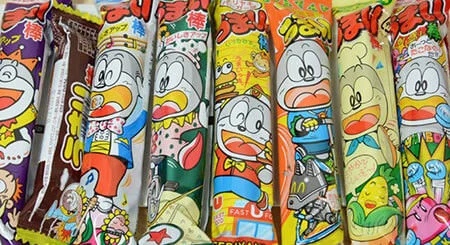

 www.theguardian.com
However, umaibō are not the only consumables that will see price increases: also a wide range of items essential to daily life, from seasonings and staple foods to commodities such as toilet paper and utilities including electricity and natural gas. And let's not forget petrol, currently at a staggering 166 JPY per litre.
The crunchy corn snack's producer, Yaokin, blamed the rising price of corn imported from the US for the hike, the first since Umaibo went on sale in 1979. Although the figures involved are tiny, the increase – less than 2c – is symbolically significant in "inflation-resistant" Japan, where firms have been reluctant to pass rising raw material costs on to consumers. Noriko Eda, a 59-year-old Tokyo resident, said she was "surprised" by the news. "Umaibo have been the same price for so long, so a ¥2 increase is a big deal." [...] Celebrity fans mourned the looming demise of the ¥10 price tag and, possibly, the loss of Umaibo's status as Japan's "national snack". "We're witnessing a turning point in history," tweeted rock musician Atsushi Osawa, whose band, Uchikubi Gokumon Doukoukai, referenced the snack and its "miracle" price in a 2010 song. "The price has started to diverge from the lyrics," he said.
Japan’s favourite snack falls victim to global inflation with first-ever price hike
Umaibo, a crunchy corn snack that means ‘delicious stick’, increases in price from ¥10 to ¥12 – the first rise in the face of higher import costs
However, umaibō are not the only consumables that will see price increases: also a wide range of items essential to daily life, from seasonings and staple foods to commodities such as toilet paper and utilities including electricity and natural gas. And let's not forget petrol, currently at a staggering 166 JPY per litre.
Among the items for which prices will increase in February are regulars on the kitchen table: soy sauce, mayonnaise, pasta, udon noodles, ham and sausages. Electricity and gas rates will also lurch upward. A combination of factors is behind the rise in prices. Demand for goods is heightening worldwide due to China's economic expansion, along with the economic recovery in the United States and in many European countries after languishing in a pandemic-induced downturn. But supply chains have been unable to catch up with demand because of a poor harvest, a labor crunch and a shortfall of shipping containers brought on by the ongoing global health crisis. Crude oil prices have been trending upward, worsening the problem.