


- 14 Mar 2002
- 21,057
- 18,914
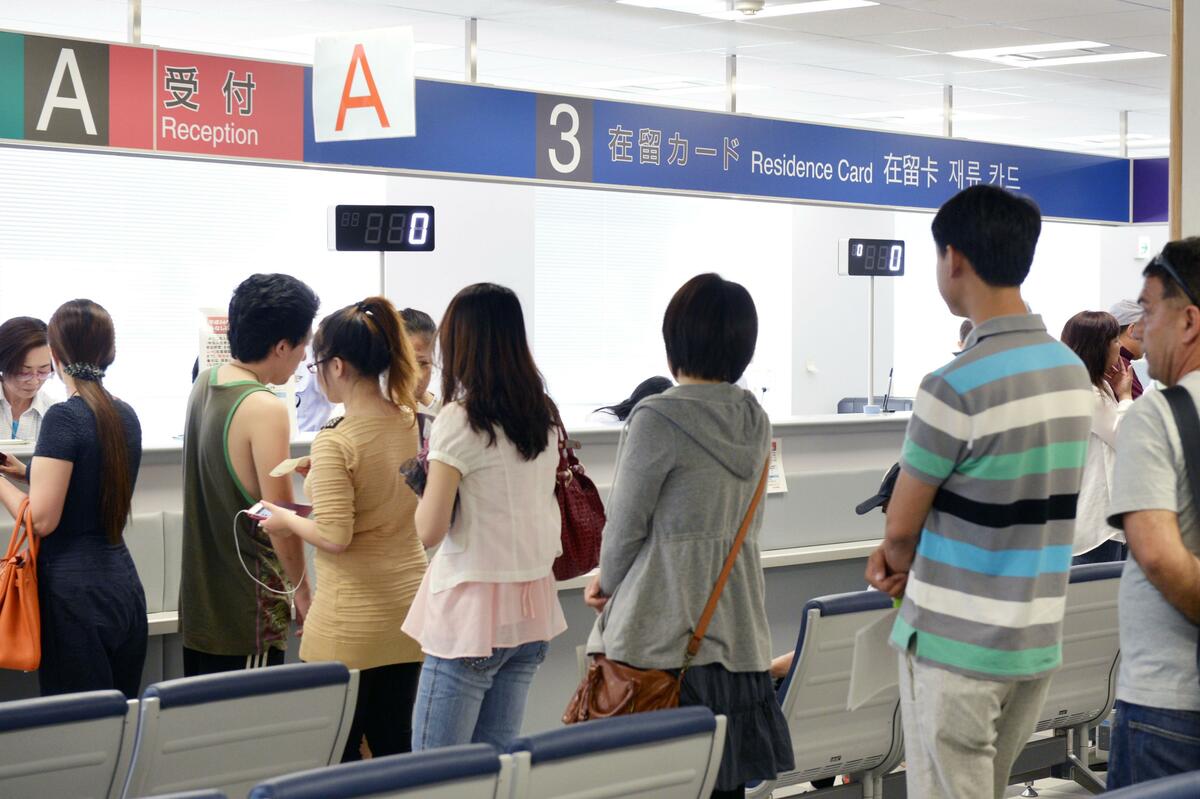
Government data released on Sunday showed that, as of January, foreign residents made up more than 10% of the population in 27 municipalities across Japan — a level that national researchers had predicted would not be reached until around 2070. The figures reflect Japan's growing reliance on foreign workers as labour shortages deepen across many sectors. By the end of last year, the number of registered foreign residents had risen to 3.76 million, marking a record increase of about 350,000 from the previous year. Areas where foreign residents exceed the national average of roughly 3% are typically industrial centres or tourist destinations. According to a 2023 projection by the National Institute of Population and Social Security Research, the proportion of foreign residents in Japan as a whole was not expected to reach 10.8% until mid-century.
Until the 1960s, Japan's foreign resident population remained steady at around 600,000. The numbers began to rise sharply after the 1990 revision of the immigration law, which granted long-term residency to people of Japanese descent living abroad. The trend was briefly interrupted by the 2008 global financial crisis, when layoffs and return migration caused a decline, but growth resumed in the following years. Another downturn came during the COVID-19 pandemic, yet the population has since entered what officials describe as a third phase of expansion.
 english.kyodonews.net
An analysis of data covering 1,892 municipalities and administrative wards found that the village of Shimukappu in Hokkaido had the highest proportion of foreign nationals at 36.6%. It was followed by Akaigawa, also in Hokkaido, Ikuno Ward in Osaka, Oizumi in Gunma Prefecture, and Kutchan in Hokkaido, all of which had foreign populations exceeding 20%. The 27 municipalities across 13 of Japan's 47 prefectures included not only industrial zones and tourist spots but also areas with long-established foreign resident communities. Nearly 80% of them have already exceeded the 10.8% foreigner population projection by the national research institute. Meanwhile, a total of 151 municipalities across 27 prefectures had foreign residents exceeding 5% of their population, while only two villages had zero foreign residents.
Until the 1960s, Japan's foreign resident population remained steady at around 600,000. The numbers began to rise sharply after the 1990 revision of the immigration law, which granted long-term residency to people of Japanese descent living abroad. The trend was briefly interrupted by the 2008 global financial crisis, when layoffs and return migration caused a decline, but growth resumed in the following years. Another downturn came during the COVID-19 pandemic, yet the population has since entered what officials describe as a third phase of expansion.
Foreigners make up over 10% of population in 27 Japan municipalities
Foreign residents accounted for more than 10 percent of the population in 27 municipalities across Japan as of January, with ratios in most surpassing levels that a national research institute had projected would not be reached until 2070 for the country as a whole, government data showed Sunday.


