


- 14 Mar 2002
- 21,050
- 18,903
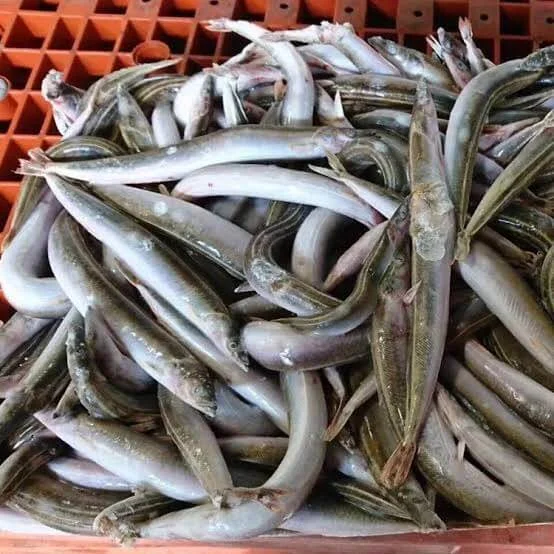
The juvenile ikanago sand eel fishing season in west Japan's Seto Inland Sea commenced on 11 March, marking the arrival of spring. However, due to a poor catch, it concluded on the same day. This year, the season began seven days later than the previous year. In the Harima-nada Sea, which is part of the Seto Inland Sea near Akashi, Hyogo Prefecture, juvenile sand eel (いかなご, also known a lesser sand lance) catches have been consistently low in recent times. The prefectural government and those involved in fisheries collectively decided to end the fishing season on the same day. Remarkably, this is the first instance since 1970, the earliest available records, that the season has concluded within a single day.

 mainichi.jp
In West Japan's Kansai region, salty-sweet "kugini," ikanago fish cooked with soy sauce, sugar, and mirin rice wine, is popular. The name comes from the appearance of the finished fish, which looks like bent old nails, as "kugini" literally means "boiled nails."

 local-cuisine.maff.go.jp
The season began seven days later than last year. Juvenile sand eel catches in the Harima-nada Sea, part of the Seto Inland Sea off Akashi, Hyogo Prefecture, have been poor in recent years. According to the prefectural government, people involved in fisheries agreed to end this season's fishing on the same day. This is the first time since 1970, the date of the earliest available records, that the season has ended in one day. At Hayashizaki Fishing Port in Akashi, fishery workers began landing their catches shortly after 10:30 a.m. The ikanago fetched about 170,000 yen (roughly $1,100) per basket at auction, weighing about 25 kilograms. The price, reflecting the poor overall catch, was a record high for the season's first auction.
First-time 1-day fishing season for juvenile sand eels in west Japan sparks record prices - The Mainichi
AKASHI, Hyogo -- The juvenile ikanago sand eel fishing season, heralding the arrival of spring in west Japan's Seto Inland Sea, began on March 11 but
In West Japan's Kansai region, salty-sweet "kugini," ikanago fish cooked with soy sauce, sugar, and mirin rice wine, is popular. The name comes from the appearance of the finished fish, which looks like bent old nails, as "kugini" literally means "boiled nails."
Ikanago no kugini | Our Regional Cuisines
Here at “Our Regional Cuisines - Beloved tastes and flavors we want to pass on to the next generation”, we will create a database and provide information on the origin, history and recipes of regional cuisines, selected by special regional committees, as well as the background of the area where...


