


- 14 Mar 2002
- 21,050
- 18,904
Between December 2024 and January 2025, NTT conducted field experiments near Hamada in Shimane Prefecture. The trials involved flying specially outfitted drones to an altitude of approximately 300 metres. As a thundercloud neared, raising the surrounding electric field, researchers on the ground activated a device that caused a sudden disturbance in the electric field, successfully triggering a lightning strike aimed at the drone.
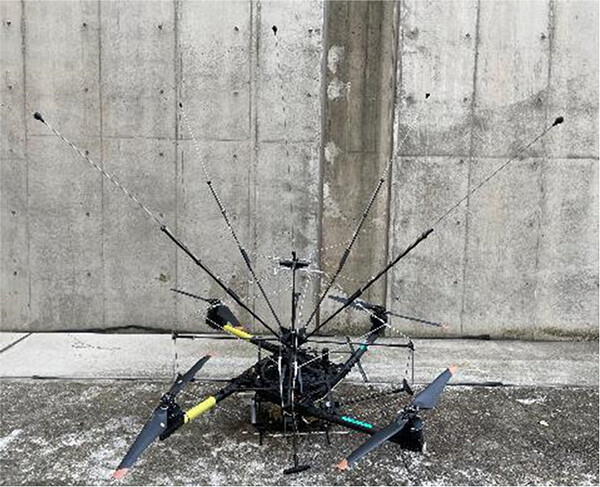
Photo credit: NTT
The drone survived due to its sturdy cage, which offered 98% protective coverage and could withstand electrical currents of up to 150ka—around five times greater than those found in natural lightning strikes. Despite being directly hit, the drone maintained stable flight.
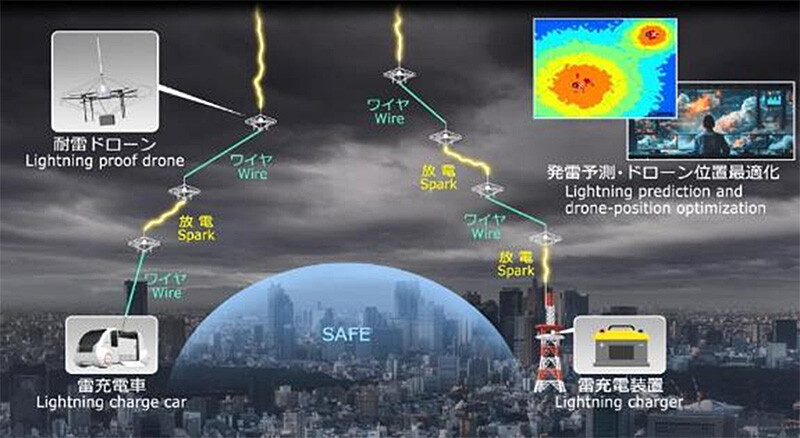
Photo credit: NTT
NTT is looking beyond protecting infrastructure, focusing on capturing and reusing the energy from artificially triggered lightning, opening the door to an entirely new approach to renewable energy. In partnership with Fujitsu, NTT's trials also demonstrated how a network of drones could monitor developing thunderclouds, deliberately induce lightning, and guide the strikes safely to predetermined sites.

 group.ntt
Photo credit: NTT
The drone survived due to its sturdy cage, which offered 98% protective coverage and could withstand electrical currents of up to 150ka—around five times greater than those found in natural lightning strikes. Despite being directly hit, the drone maintained stable flight.
Japan experiences substantial financial losses from lightning strikes every year, with damages estimated between ¥100 and ¥200 billion, equivalent to around $700 million to $1.4 billion. Traditional defences, such as stationary lightning rods, often fall short in protecting isolated or difficult-to-equip areas like wind turbines and outdoor event spaces. NTT's drone system addresses this gap by offering mobility and precision in directing lightning strikes away from sensitive structures. As reported, the ultimate goal is to "completely prevent lightning strikes on important infrastructure and metropolitan areas," a vision that could significantly enhance public safety and reduce economic losses.
Photo credit: NTT
NTT is looking beyond protecting infrastructure, focusing on capturing and reusing the energy from artificially triggered lightning, opening the door to an entirely new approach to renewable energy. In partnership with Fujitsu, NTT's trials also demonstrated how a network of drones could monitor developing thunderclouds, deliberately induce lightning, and guide the strikes safely to predetermined sites.
World's First Successful Lightning Triggering and Guiding Using a Drone Protecting cities and infrastructure with a lightning drone—toward a society free from lightning damage | Press Release | NTT
News Highlights: ◆We have achieved the world's first successful lightn...
group.ntt


