- 14 Mar 2002
- 21,053
- 18,908
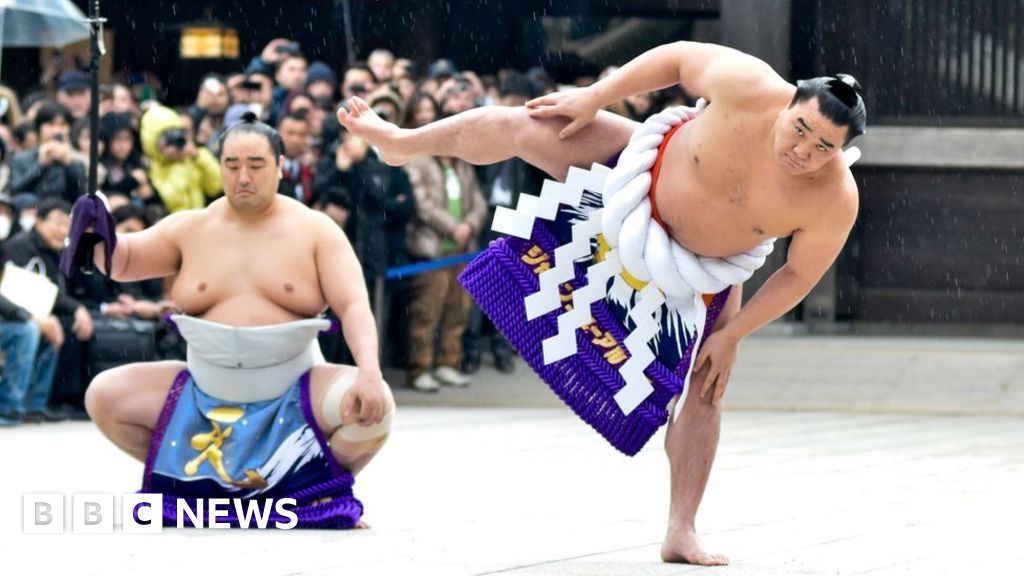
While often hailed as Japan's national sport, sumo wrestling has experienced fluctuations in popularity over the centuries. The sport is witnessing a surge, which is evident in the sold-out status of the upcoming spring tournament in Osaka. Premium seats for the event were scarce, selling out within hours of ticket availability. Rikishi (sumo wrestlers) frequently make appearances on variety shows and documentaries, and internationally, there has been a notable rise in television and newspaper coverage dedicated to sumo.

Photo credit: John Gunning

 www.japantimes.co.jp
Photo credit: John Gunning
On the amateur circuit, domestic tournaments such as the Hakuho Cup and the Dream Girls Cup have generated significant publicity for youth sumo, while there are more opportunities than ever before for wrestlers of all ages and genders around the world to participate in the sport. Against that backdrop however came the surprising news on Feb. 28 that just 27 young hopefuls took part in the Japan Sumo Association tests for new recruits. Coinciding with the end of the academic year, the March tournament traditionally sees the largest intake of wrestlers among sumo's six yearly meets, with an all-time high reached in 1992 when the first Mongolians to join sumo were part of a 160-strong class of new recruits. 2024, by contrast, sees the lowest number of prospects to turn pro at the spring tournament since 1973 — when the completion of compulsory education became a prerequisite. With the previous low being last year's 33 entrants, the current downward trend has to be of major concern for the JSA, particularly at a time when the sport's popularity is growing.
Sumo’s popularity is booming. The recruitment of new pros is not.
Sumo is not immune to the labor shortages plaguing the rest of aging Japan.