- 14 Mar 2002
- 21,050
- 18,903
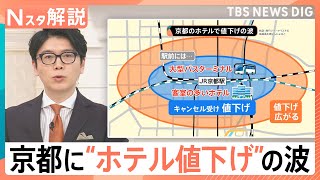
Despite record tourism numbers in 2025, some hotels in Kyoto now offer rooms for as little as 3,000 yen per night.
Discounts on accommodation are spreading quickly, with nightly rates in Kyoto slipping below 10,000 JPY and some properties offering rooms for as little as 3,000 JPY. On Komachi Street in Kamakura, the busy approach to Tsurugaoka Hachimangū that attracted more than 15 million visitors last year, local retailers report that independent travellers remain numerous. At the same time, organised tour groups from China have thinned out. A shop specialising in soft-serve ice cream made with high-grade matcha notes that Chinese customers once accounted for around 70% of its foreign clientele, but that overseas visitors are now more likely to come from other parts of Asia, including Indonesia.
Staff say the shift became evident roughly a week after Chinese authorities advised citizens to avoid travel to Japan, when footfall fell abruptly. Although Chinese visitors had been the largest foreign group using Kamakura's tourist information centres in the previous financial year, their numbers have declined since remarks by Chinese leaders concerning Taiwan led Beijing to call for restraint in travel to Japan.
Discounts on accommodation are spreading quickly, with nightly rates in Kyoto slipping below 10,000 JPY and some properties offering rooms for as little as 3,000 JPY. On Komachi Street in Kamakura, the busy approach to Tsurugaoka Hachimangū that attracted more than 15 million visitors last year, local retailers report that independent travellers remain numerous. At the same time, organised tour groups from China have thinned out. A shop specialising in soft-serve ice cream made with high-grade matcha notes that Chinese customers once accounted for around 70% of its foreign clientele, but that overseas visitors are now more likely to come from other parts of Asia, including Indonesia.
Staff say the shift became evident roughly a week after Chinese authorities advised citizens to avoid travel to Japan, when footfall fell abruptly. Although Chinese visitors had been the largest foreign group using Kamakura's tourist information centres in the previous financial year, their numbers have declined since remarks by Chinese leaders concerning Taiwan led Beijing to call for restraint in travel to Japan.
The average room rate at major hotels in Kyoto once dipped during the pandemic but hit a record high of 20,195 yen last year, remaining elevated at 20,601 yen in December. However, a check of current listings on Google Maps shows many centrally located Kyoto hotels now priced below 10,000 yen per night, with some offering rooms in the 3,000-yen range. A tourist visiting from Tokyo said the prices felt "cheap," noting that rates were more than 10,000 yen lower than expected and made it easier to stay overnight. Aviation travel analyst Tori says similar price declines are occurring beyond Kyoto, particularly in urban areas such as Osaka, Nagoya, Hiroshima, Fukuoka, Kanazawa and other cities that typically attract large numbers of Chinese tourists or are served by direct flights from China.
Kyoto Hotels Drop to 3,000-Yen Nights as Chinese Travel Slows
Hotels in major tourist destinations are beginning to change as China’s call for restraint on travel to Japan reduces the number of group tours, with some Kyoto properties now offering rooms for as little as 3,000 yen per night, a level that would have been unthinkable during the recent inbound...
newsonjapan.com