


- 14 Mar 2002
- 21,057
- 18,915
In a recent Kyodo News poll, 90 per cent of respondents expressed their support for the concept of a reigning empress within Japan's imperial family. This endorsement comes when the family faces challenges due to diminishing male heirs. The survey, conducted via mail in March and April, coincided with the fifth anniversary of Emperor Naruhito's ascension to the throne. It highlights the prevailing sentiment among the public in favour of broadening the scope of imperial succession to include women, significantly since the current system restricts it solely to men from the paternal lineage.
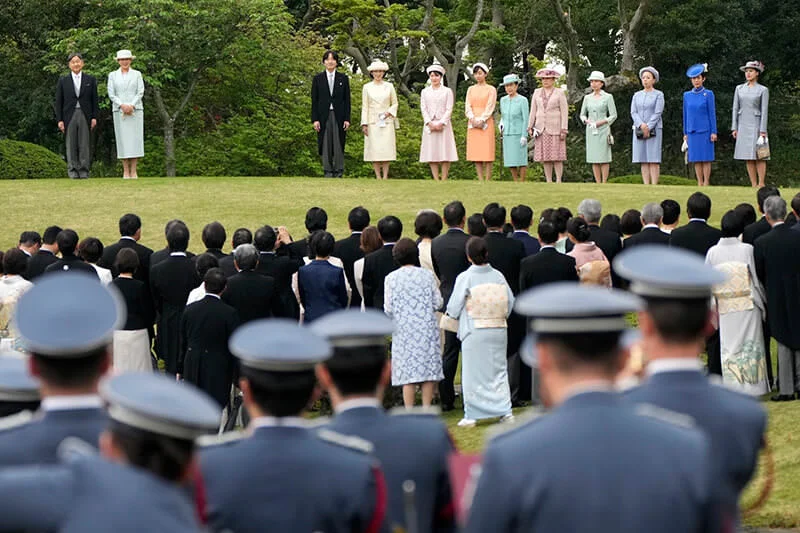
Interestingly, 72 per cent of those surveyed expressed a "sense of crisis" regarding the stability of imperial succession. The 1947 Imperial House Law currently limits succession to males with an emperor on their father's side, and it mandates that female royals leave the imperial family upon marrying commoners. However, Emperor Naruhito, aged 64, has only three heirs: his brother, Crown Prince Fumihito (aged 58), his nephew Prince Hisahito (aged 17), and his uncle Prince Hitachi (aged 88). The emperor and Empress Masako have one daughter, 22-year-old Princess Aiko.
In 2021, a government panel tasked with studying ways to ensure stable imperial succession deferred a decision on whether to make women or matrilineal members eligible to ascend the throne. Among the respondents, 52% agreed with this postponement, while 46% disagreed. Regarding succession, 35% believe the conversation should begin as soon as possible, 26% advocate for careful deliberation over time, and 19% suggest monitoring the situation around Prince Hisahito.
Interestingly, half of those who support the idea of a reigning empress emphasize that gender differences are not crucial concerning the role. Conversely, the most common reason cited by 45 per cent of those who disapprove of the concept is the belief that male succession aligns with cultural norms.
While other countries have had female monarchs, such as the late Queen Elizabeth II of the United Kingdom and Queen Margrethe II of Denmark (who abdicated in January this year), Japan has yet to witness an emperor from a matrilineal line among its 126 emperors in history. Despite this, 84 per cent of respondents expressed total or partial support for the idea of an emperor descending from the maternal line. Additionally, 74 per cent were against or somewhat against reintroducing male members from former houses of the Imperial Family that were stripped of membership shortly after World War II—a proposal floated to maintain male succession.

 mainichi.jp
Interestingly, 72 per cent of those surveyed expressed a "sense of crisis" regarding the stability of imperial succession. The 1947 Imperial House Law currently limits succession to males with an emperor on their father's side, and it mandates that female royals leave the imperial family upon marrying commoners. However, Emperor Naruhito, aged 64, has only three heirs: his brother, Crown Prince Fumihito (aged 58), his nephew Prince Hisahito (aged 17), and his uncle Prince Hitachi (aged 88). The emperor and Empress Masako have one daughter, 22-year-old Princess Aiko.
In 2021, a government panel tasked with studying ways to ensure stable imperial succession deferred a decision on whether to make women or matrilineal members eligible to ascend the throne. Among the respondents, 52% agreed with this postponement, while 46% disagreed. Regarding succession, 35% believe the conversation should begin as soon as possible, 26% advocate for careful deliberation over time, and 19% suggest monitoring the situation around Prince Hisahito.
Interestingly, half of those who support the idea of a reigning empress emphasize that gender differences are not crucial concerning the role. Conversely, the most common reason cited by 45 per cent of those who disapprove of the concept is the belief that male succession aligns with cultural norms.
While other countries have had female monarchs, such as the late Queen Elizabeth II of the United Kingdom and Queen Margrethe II of Denmark (who abdicated in January this year), Japan has yet to witness an emperor from a matrilineal line among its 126 emperors in history. Despite this, 84 per cent of respondents expressed total or partial support for the idea of an emperor descending from the maternal line. Additionally, 74 per cent were against or somewhat against reintroducing male members from former houses of the Imperial Family that were stripped of membership shortly after World War II—a proposal floated to maintain male succession.
90% in Japan support idea of reigning empress: survey - The Mainichi
TOKYO (Kyodo) -- A total of 90 percent of respondents in a recent Kyodo News poll said they would support the idea of a reigning empress as Japan's im



 Fascinating!


