


- 14 Mar 2002
- 21,050
- 18,903
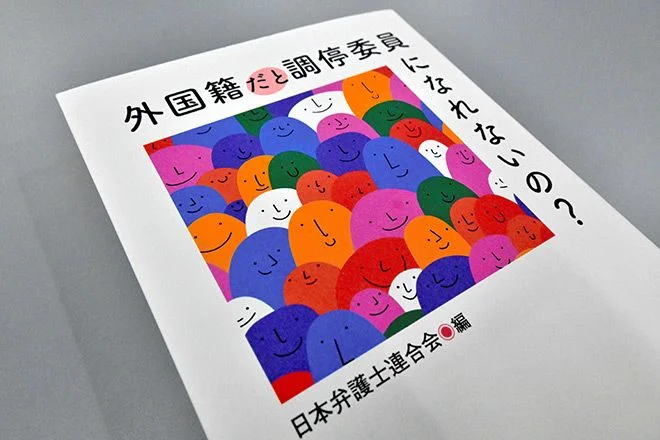
Despite the absence of an official nationality prerequisite for arbitrators in Japan and the escalating demand for their expertise, Japanese courts persistently decline arbitrators of foreign descent. This practice has disadvantaged many non-Japanese individuals in legal issues related to divorce, child custody, inheritance, and other personal affairs. Arbitrator candidates, typically lawyers or experts in legal and other matters, are selected by bar associations and other pertinent organizations. These nominations are then forwarded to the Supreme Court for screening and potential appointment.
However, the widespread rejection of foreign arbitrators means that some of those appointed may not be familiar with the challenges foreign residents face and may be unable to communicate in their language. The non-profit organization Network for Foreigners' Assistance Kobe has been inundated with inquiries from non-Japanese individuals regarding legal issues. One individual, a victim of domestic violence, sought divorce but was concerned about the potential impact on their visa status. Another individual inquired about child custody post-divorce. Many of these information seekers are from the Philippines, China, and Brazil and are married to Japanese nationals.
The bar association recommended two South Korean lawyers as arbitrators last autumn. However, the Kobe District Court and the Kobe Family Court refused to nominate them for the Supreme Court's screening. The reasoning was that they did "not have Japanese nationality." The Civil Mediation Law and other related rules do not include provisions about nationality requirements for arbitrators. Baek Seung-ho, a 62-year-old South Korean lawyer and former chair of the Hyogo Bar Association, said he had been rejected more than ten times.
However, the widespread rejection of foreign arbitrators means that some of those appointed may not be familiar with the challenges foreign residents face and may be unable to communicate in their language. The non-profit organization Network for Foreigners' Assistance Kobe has been inundated with inquiries from non-Japanese individuals regarding legal issues. One individual, a victim of domestic violence, sought divorce but was concerned about the potential impact on their visa status. Another individual inquired about child custody post-divorce. Many of these information seekers are from the Philippines, China, and Brazil and are married to Japanese nationals.
The mediation system is also used when one spouse refuses to accept a divorce. Some spouses seek arbitration without telling their partners. But even foreign spouses who can easily converse in Japanese often face difficulties understanding legal specifics. "Language disadvantages make it impossible to have fair discussions," Kimura said. "All decisions should be recorded in documents." Muranishi of the group once attended a divorce mediation meeting as an English interpreter for a Filipino woman. "The arbitrator there listened only to the story of the Japanese husband," Muranishi said, adding that the wife struggled to speak in her poor Japanese, and her opinions were not taken seriously. Kimura participated in an arbitration session as a Thai interpreter but was told to leave the meeting room for "privacy reasons." "I was stunned by the fact that arbitrators lack an understanding" of the troubles facing foreigners, Kimura said. "I would like knowledgeable people to serve as arbitrators regardless of their nationality."
The bar association recommended two South Korean lawyers as arbitrators last autumn. However, the Kobe District Court and the Kobe Family Court refused to nominate them for the Supreme Court's screening. The reasoning was that they did "not have Japanese nationality." The Civil Mediation Law and other related rules do not include provisions about nationality requirements for arbitrators. Baek Seung-ho, a 62-year-old South Korean lawyer and former chair of the Hyogo Bar Association, said he had been rejected more than ten times.


