


- 14 Mar 2002
- 21,054
- 18,909
Just a few weeks ago, we heard of Japan's plans to attract foreign academic talent...
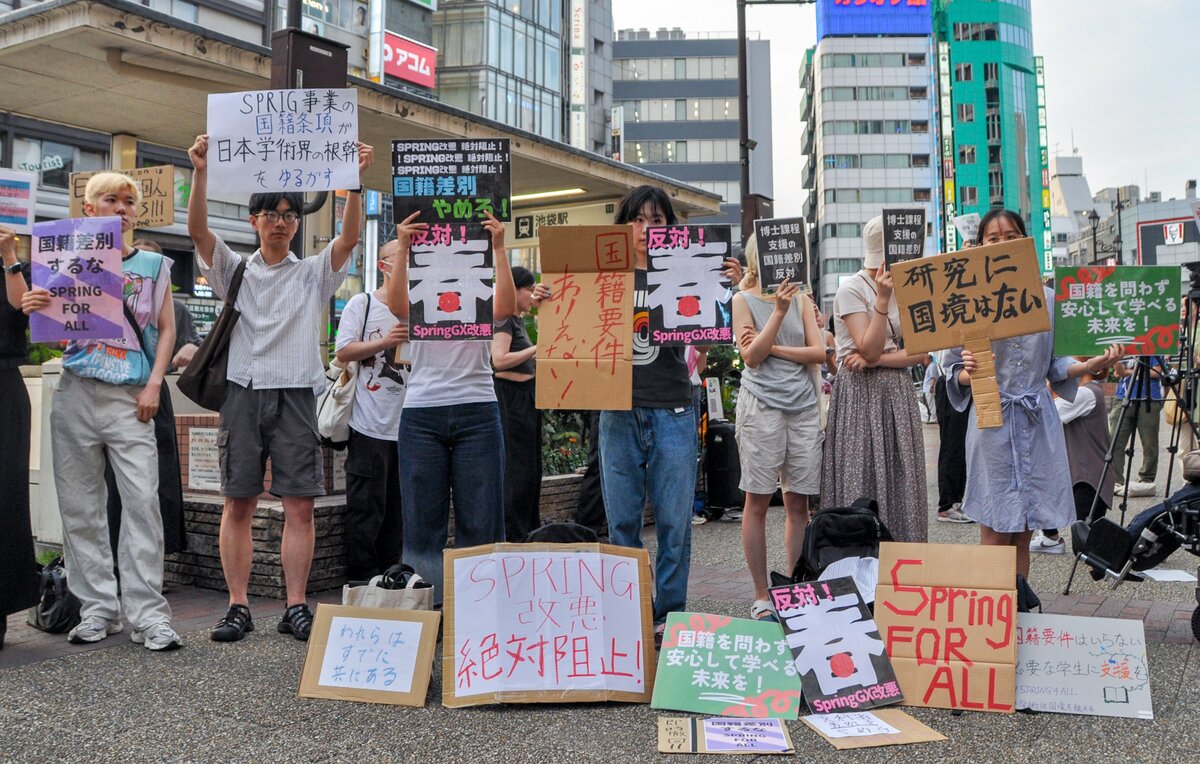
The Japanese government's decision to end financial support for foreign doctoral students has sparked a wave of frustration and disappointment among students and academics, who say the move is unfair and runs counter to the ideals of an open and inclusive academic community. Until now, international PhD students in Japan have been eligible to receive up to 2.4 million yen (approximately $16,400) each year to help cover their living expenses. However, under a new plan proposed in late June, the education ministry plans to restrict that support to Japanese nationals only. If approved by a ministry panel, the change could come into effect as early as fiscal 2027.
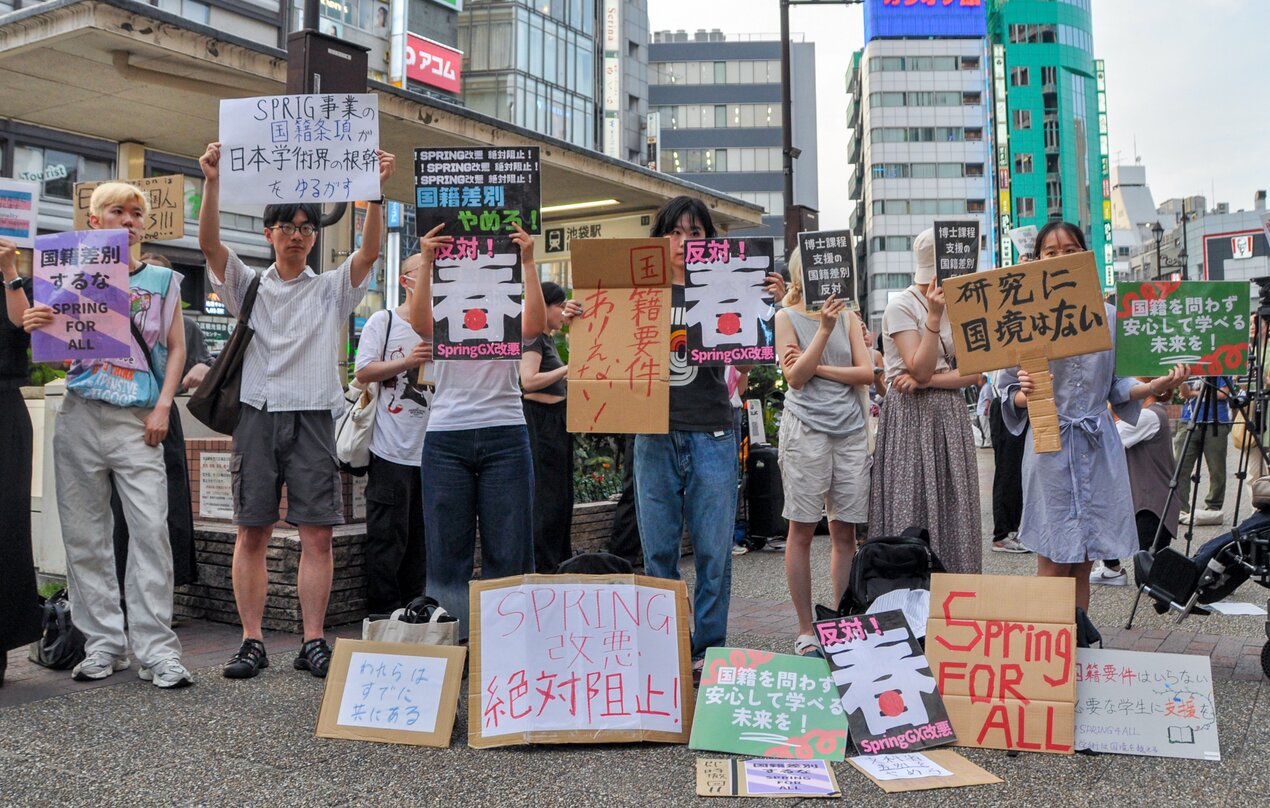
Yusuke Kazama, a lecturer at Nara Prefectural University, stated that the government's policy reflects a rise in xenophobia within Japanese society, citing the growing influence of right-wing populist parties, such as Sanseito. Kazama warned that foreign residents, who make up a small minority, appear to be increasingly targeted or blamed as part of this trend. He emphasised that international students who have come to Japan with a genuine passion for learning and who have actively chosen the country as their place of study should not be excluded from support or treated unfairly.
 english.kyodonews.net
The Japanese government's decision to end financial support for foreign doctoral students has sparked a wave of frustration and disappointment among students and academics, who say the move is unfair and runs counter to the ideals of an open and inclusive academic community. Until now, international PhD students in Japan have been eligible to receive up to 2.4 million yen (approximately $16,400) each year to help cover their living expenses. However, under a new plan proposed in late June, the education ministry plans to restrict that support to Japanese nationals only. If approved by a ministry panel, the change could come into effect as early as fiscal 2027.
The issue of payments to foreign students entered the political discussion during a parliamentary debate in March when Liberal Democratic Party lawmaker Haruko Arimura stated that over a third of those who have received the money were foreign nationals. Arimura singled out Chinese students, saying the "government should not just stand by" and watch doctorate programs become dependent on Chinese students "from the perspective of national economic security." "The program cannot win the support of the public without clearly stipulating that it is designed to support Japanese nationals," Arimura said. Of the 10,564 people who received the subsidies in fiscal 2024, 39 percent were foreigners, with Chinese nationals accounting for 76 percent of the non-Japanese cohort at 3,151, according to the ministry. The number of foreign students at high-level institutions such as universities and vocational colleges as of May 2024 surged 21.7 percent from the previous year to 229,467, including 20,015 enrolled in PhD programs. The decision to withdraw support for foreign students comes in stark contrast to the government's stated goal of increasing the number of PhD candidates from overseas.
Yusuke Kazama, a lecturer at Nara Prefectural University, stated that the government's policy reflects a rise in xenophobia within Japanese society, citing the growing influence of right-wing populist parties, such as Sanseito. Kazama warned that foreign residents, who make up a small minority, appear to be increasingly targeted or blamed as part of this trend. He emphasised that international students who have come to Japan with a genuine passion for learning and who have actively chosen the country as their place of study should not be excluded from support or treated unfairly.
FOCUS: Cut to foreign PhD student support deals blow to Japanese academia
The Japanese government's plan to end financial support for foreign doctoral students has drawn criticism from students and academics who have labeled the step unjust and counterproductive to fostering a diverse, inclusive and thriving academic environment.


