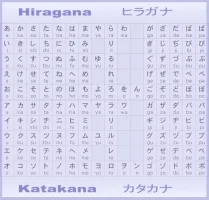
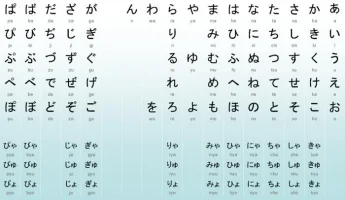
Voiced/unvoiced/aspirated refers to the consonant, really, not the syllable as a whole.
Voiced means that you use your voice to make the sound; i.e., you can feel your vocal cords vibrating when you pronounce it. Examples are "z," "d," "b," "g," "m," and "n."
Unvoiced (also "voiceless") means that you don't use your voice to make the sound; i.e., your vocal cords don't vibrate when you pronounce it. Examples are "s," "t," "p," "k," and "h."
"Aspirated" refers to stops (also "plosives") only, and it means that when you pronounce the letter a puff of air comes out. In English, "p," "t," and "k" are like this when they are word-initial. For example, if you put your hand in front of your mouth when pronouncing "pin," "top," and "kill" you will feel a puff of air. Compare this to "spin," "stop," and "skill," where you won't feel it (or it will be much weaker). The second set is referred to as "unaspirated."
I've been told that Japanese uses little to no aspiration even when stops are word-initial, but I swear I've heard it (it doesn't happen all the time, though). When they come in the middle of words, though, they're unaspirated unless someone is shouting or really emphasizing every letter.