


- 14 Mar 2002
- 21,054
- 18,910
National Geographic on the ancient arts of Kabuki and Noh and the changes brought on by innovative tech and popular manga.
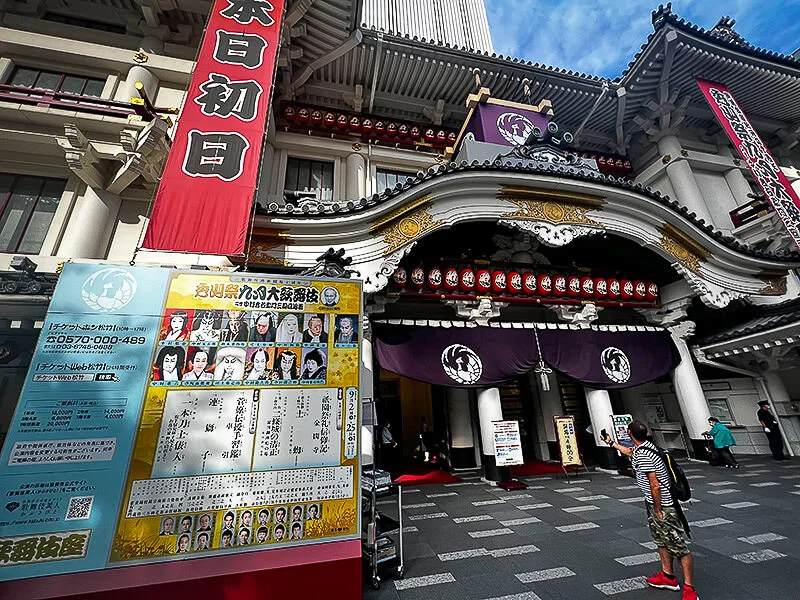
What are the best ways to experience Kabuki and Noh?

 www.nationalgeographic.com
 jref.com
 jref.com
Innovation is an inherent aspect of Kabuki. The art "has always embraced, and worked hard on refining, the highest standard of technology because they want to dazzle as many spectators as possible," says Björk. In recent years, Kabuki theatres have incorporated immersive projections and project mapping, including works from virtual reality sensation Hatsune Miku. During the COVID-19 pandemic, an AR app was developed so people could enjoy Kabuki at home. Kabuki theatres have also gained a wider audience by adapting stories from other art forms, from iconic Charlie Chaplin films to manga tales such as One Piece and Naruto.
What are the best ways to experience Kabuki and Noh?
Public Noh and Nohgaku performances are held in several theatres across Japan. In Tokyo, the National Noh Theatre hosts regular shows in a 591-seat cypress wood showplace resembling a temple. A small museum of costumes and masks adds to the experience. Discover Noh in Kyoto holds events across the ancient capital's multiple venues, including the 452-seat Kyoto Kanze Kaikan. In partnership with GetYourGuide, Discover Noh in Kyoto also offers travellers the rare opportunity to meet a third-generation Noh actor at his in-home stage. Guests experience a private performance with clothing and masks dating back hundreds of years and a chance to try some of Noh's methodical and rhythmic movements with the master. See the highly stylized art form of Kabuki at Tokyo's National Theatre or the circa-1889 Kabukiza Theatre. Kabuki shows tend to be lengthy—up to four hours—but you can purchase a single-act seat to catch 30 minutes or one hour of entertainment.
Kabuki and Noh are evolving with the times. Here’s how to experience them.
Artists are pushing boundaries in these centuries-old Japanese traditions—with innovative tech and popular manga.
Links:
Kabuki
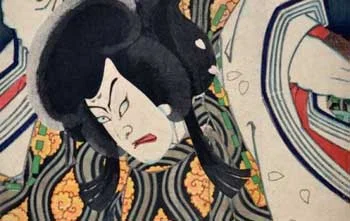
Kabuki (歌舞伎) is one of the primary forms of Japanese theatre, allegedly created by a dancer by the name of Izumo no Okuni (出雲の阿国) of the Izumo Grand Shrine (出雲大社 Izumo-Taisha) around 1603, when she gathered a troupe of dancers and singers to...
jref.com
Noh Theater
Noh (能 nō) or nōgaku (能楽) is an abridgement of sarugaku no nō, an aristocratic form of sung and danced performance developed from kagura (神楽, "god-entertainment") plays, a type of theatrical Shintō dance, sarugaku (猿楽, lit. "monkey music"), a...
jref.com


