


- 14 Mar 2002
- 21,050
- 18,903
Several new tourist attractions and large commercial projects are set to open or reopen in the Greater Tokyo area this year, as officials and developers try to steer visitors toward less-visited parts of the city and tap into the post-pandemic rise in experience-focused travel. At the same time, stricter rules on Airbnb-style short-term rentals, known as minpaku, are fuelling debate over how to manage the surge in overseas visitors without harming residents' day-to-day lives.
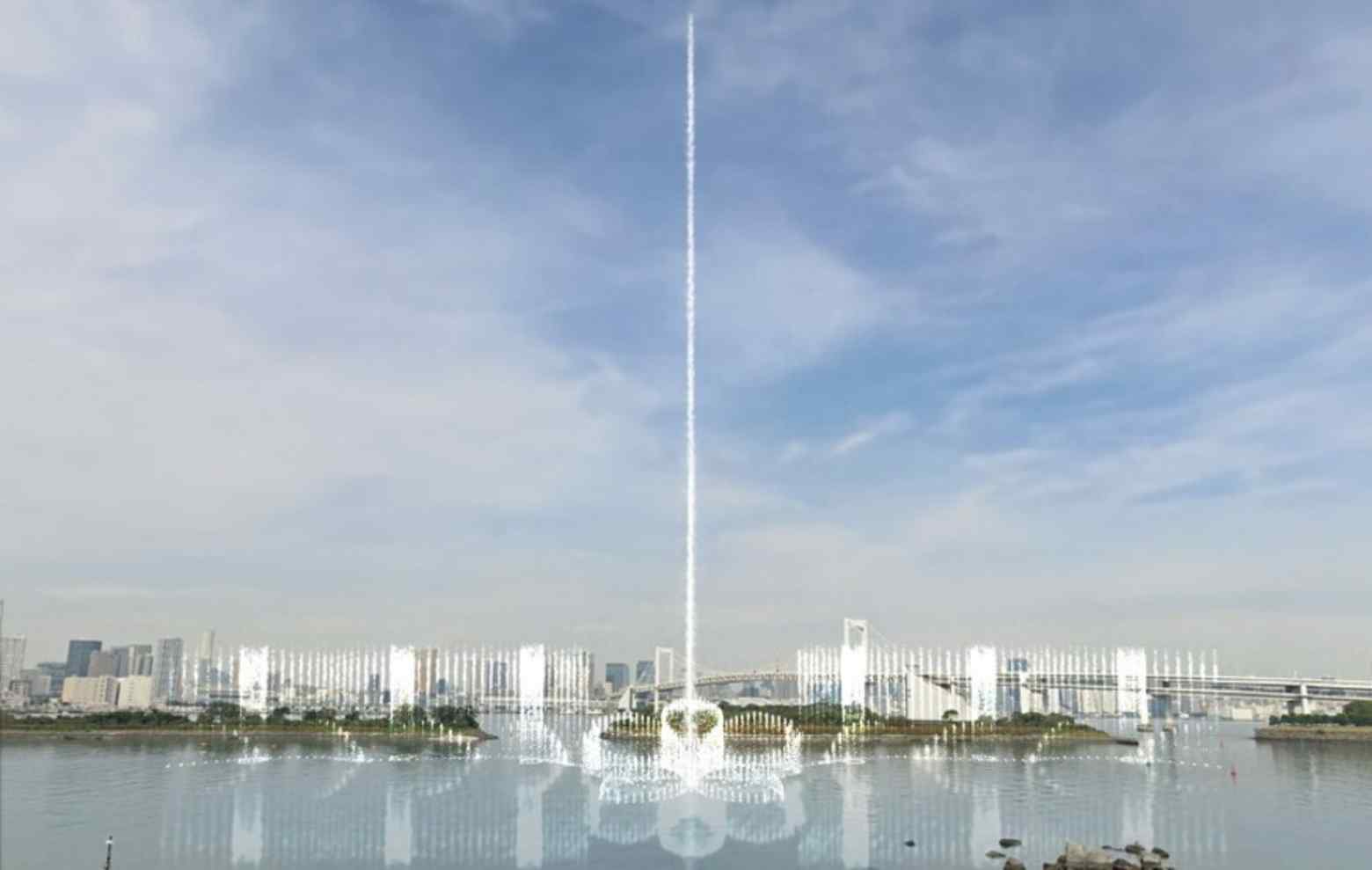
- Along the waterfront, the Tokyo Metropolitan Government is constructing the tentatively named Odaiba Fountain on the artificial island of Odaiba in Tokyo Bay. The project is due to be finished in fiscal 2025, which runs until March this year. Officials expect it to generate an annual economic impact of about 9.8 billion yen ($62.6 million), with light displays aimed at drawing visitors in the evening and strengthening the area's nighttime economy. From October through December, Odaiba and the surrounding neighbourhoods will also host an international art exhibition, Tokyo Atlas, highlighting efforts to reposition the district as a cultural destination.
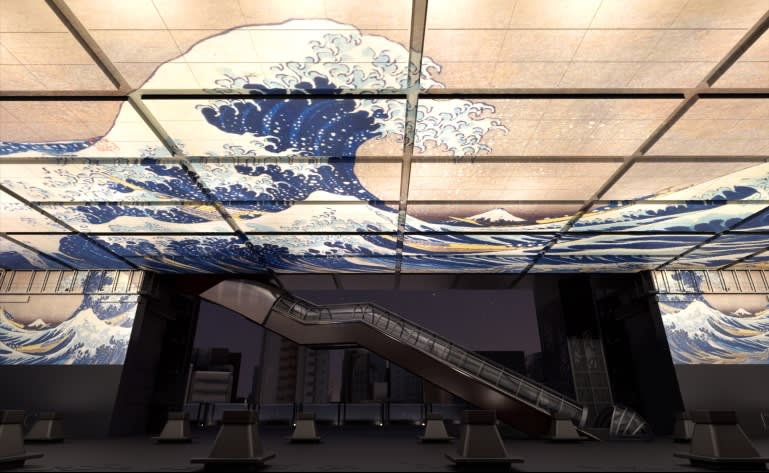
- In central Tokyo, the Edo-Tokyo Museum in Sumida Ward is set to reopen at the end of March after almost 4 years of renovation. The main highlight is a full-scale reconstruction of the former Hattori Clock Tower, rising 26 metres and recalling a well-known landmark of Ginza during the Meiji era (1868–1912). The redesign of both the interior and exterior was overseen by architect Shōhei Shigematsu, with the renewed spaces featuring large-scale projections of historical materials across ceilings and columns.
- Private-sector development is also moving ahead quickly. Japanese real estate firm Tokyo Tatemono is nearing completion of its mixed-use project, Tofrom Yaesu (トフロム ヤエス), located in front of Tokyo Station's Yaesu exit. The complex consists of two main buildings: the 51-storey Tofrom Yaesu Tower, with four basement levels, and the 10-storey Tofrom Yaesu the Front, with two basement levels. The tower is due to be completed in February and is expected to open in the autumn. Together, the buildings will include retail space, offices, medical facilities, and a theatre with seating for around 800 people.
 office.tatemono.com
- In nearby Nihonbashi, one of Tokyo's long-established commercial districts, a significant redevelopment project led by Mitsui Fudosan and Nomura Real Estate Development is set for completion in September. The plan includes a 52-storey tower and aims to make the Nihonbashi River area a more pedestrian-friendly part of the city.
More projects here:

 asia.nikkei.com
- Along the waterfront, the Tokyo Metropolitan Government is constructing the tentatively named Odaiba Fountain on the artificial island of Odaiba in Tokyo Bay. The project is due to be finished in fiscal 2025, which runs until March this year. Officials expect it to generate an annual economic impact of about 9.8 billion yen ($62.6 million), with light displays aimed at drawing visitors in the evening and strengthening the area's nighttime economy. From October through December, Odaiba and the surrounding neighbourhoods will also host an international art exhibition, Tokyo Atlas, highlighting efforts to reposition the district as a cultural destination.
A large fountain is to be completed by March in Odaiba (photo credit: Tokyo Metropolitan Government).
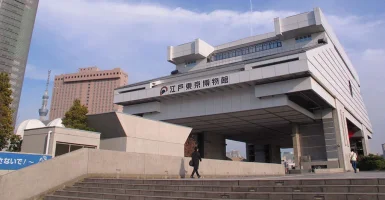
- In central Tokyo, the Edo-Tokyo Museum in Sumida Ward is set to reopen at the end of March after almost 4 years of renovation. The main highlight is a full-scale reconstruction of the former Hattori Clock Tower, rising 26 metres and recalling a well-known landmark of Ginza during the Meiji era (1868–1912). The redesign of both the interior and exterior was overseen by architect Shōhei Shigematsu, with the renewed spaces featuring large-scale projections of historical materials across ceilings and columns.
Museum Edo-Tokyo Museum
Tokyo Travel Guide: Edo-Tokyo Museum
Designed by the renowned architect Kikutake Kiyonori, the Edo-Tokyo Museum (江戸東京博物館) was modelled after traditional stilted warehouses of the kurazukuri (蔵造り) type. It is located in Ryōgoku, Sumida-ku, right next to the Ryōgoku Kokugikan (両国国技館, Sumo Hall)...
- Private-sector development is also moving ahead quickly. Japanese real estate firm Tokyo Tatemono is nearing completion of its mixed-use project, Tofrom Yaesu (トフロム ヤエス), located in front of Tokyo Station's Yaesu exit. The complex consists of two main buildings: the 51-storey Tofrom Yaesu Tower, with four basement levels, and the 10-storey Tofrom Yaesu the Front, with two basement levels. The tower is due to be completed in February and is expected to open in the autumn. Together, the buildings will include retail space, offices, medical facilities, and a theatre with seating for around 800 people.
TOFROM YAESU|東京駅前八重洲一丁目東地区市街地再開発事業(A地区・B地区)|東京建物
地上10階、地下2階、延べ面積約12,250㎡のA地区、地上51階、地下4階、延べ面積約225,000㎡のB地区を新設します。
- In nearby Nihonbashi, one of Tokyo's long-established commercial districts, a significant redevelopment project led by Mitsui Fudosan and Nomura Real Estate Development is set for completion in September. The plan includes a 52-storey tower and aims to make the Nihonbashi River area a more pedestrian-friendly part of the city.
More projects here:
Greater Tokyo spruces up with new hotspots in 2026
Big fountain in Odaiba, new commercial towers await tourists
asia.nikkei.com


