


- 14 Mar 2002
- 21,050
- 18,903
The Japanese moss gardens of Kyoto embody the ancient Japanese aesthetic of "wabi-sabi", enchanting many visitors from Japan and overseas. However, due to climate change, Kyoto's moss has been dwindling recently. To preserve the "significant historical landscapes that represent Kyoto", the prefectural government and temples have begun to conduct surveys and research.
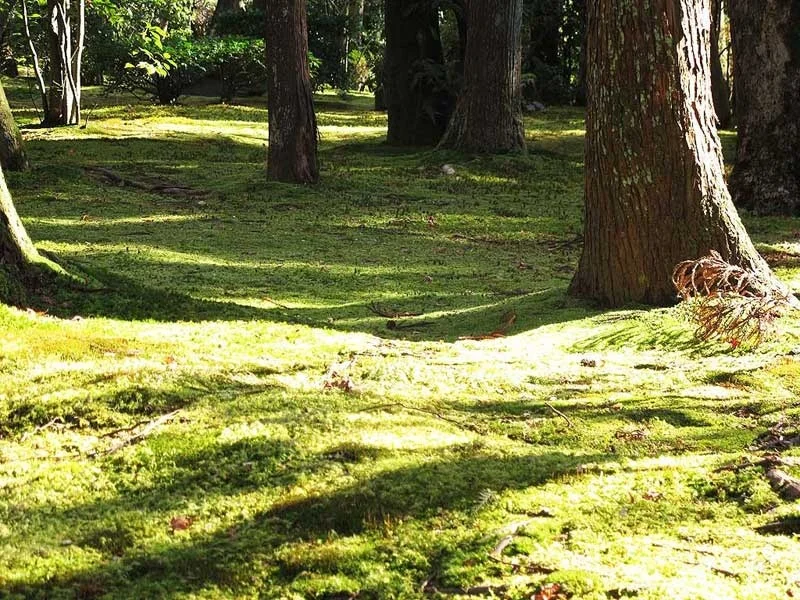
Moss garden at the Ryōanji in Kyoto
Moss garden at the Ryōanji in Kyoto
There are about 1,800 moss species in Japan, according to the prefectural government's natural environment conservation division. Of these, 552 species, or more than 30 per cent, inhabit the prefecture. Many are rare and included in the Environment Ministry's Red Data Book of endangered species. [...] One major reason lies in long-term temperature increases. According to the Japan Meteorological Agency, the average annual temperature in Kyoto has risen by about 2 degrees over the past 100 years. [...] Less fog also poses a threat to moss. The plant can "take a breather" with fog in the early fall after enduring the heat of summer, Oishi said. Kyoto has favourable geographical conditions to generate fog in a basin surrounded by mountains. However, according to the JMA, the number of days with fog per year in the city has decreased after peaking at 125 in 1934. There have been no foggy days for many years since the 1980s, while fog was observed only for three days after the turn of the 21st century. It is believed the urban heat-island phenomenon has mainly contributed to the decrease because it makes it difficult for the temperature to drop in the morning and at night.


