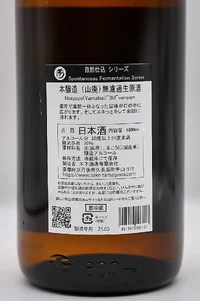
Sake specs
- Prefecture
- Kyōto (京都)
- Rice type
- Gohyakumangoku (五百万石)
- Polishing rate (semaibuai)
- 65% (kōjimai), 70% (kakemai)
- Alcohol content
- 20-21%
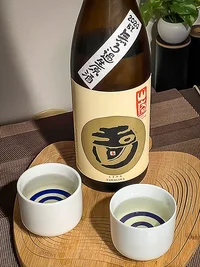
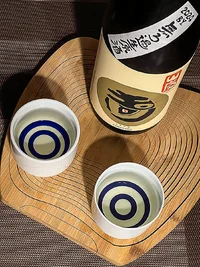
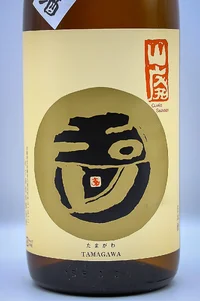
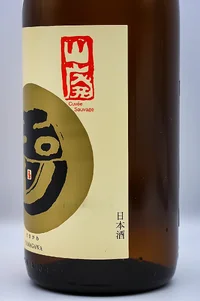
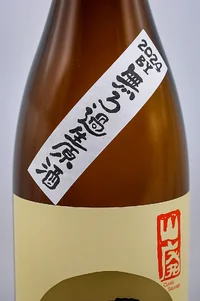
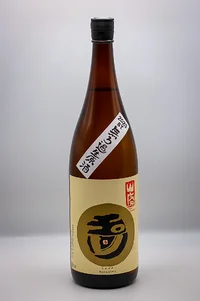
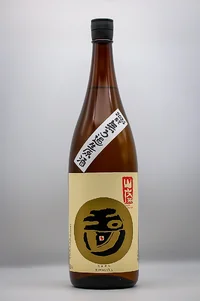
Tamagawa Shizenshikomi Yamahai Honjōzō Muroka Namagenshu (玉川 自然仕込 山廃本醸造 無濾過生原酒 2024BY) is part of Kinoshita's "3U" (undiluted, unpasteurized, unfiltered) series. The term "natural brewing" (自然仕込み) refers to a distinctive and entirely traditional method of sake production. Rather than relying on cultured yeast, the brewery uses only the wild yeast that inhabits the building itself. This process, grounded in historical techniques such as yamahai (山廃) and kimoto (生酛), allows nature to take the lead, enabling fermentation to unfold with the microbes native to the brewery environment.
The kōji rice used in this sake is Gohyakumangoku. This well-known rice variety is particularly suited for brewing. For the kake rice, or added rice, domestically grown table rice is used. The rice is milled to 65% for the kōji and 70% for the kake rice — a gentler polishing process than is common today, intentionally done to preserve more of the grain's flavour. This choice lends the final product a depth and richness that reflects the natural character of the ingredients.
One of the unique characteristics is its unusually high alcohol content, ranging from 20 to 21%, right at the legal upper limit for sake in Japan. This full-strength fermentation yields a dense, flavour-packed profile rich in umami and intensity. It's sake in a concentrated form, brimming with boldness and body.
Behind the scenes, this sake carries a couple of interesting stories. For years, it wasn't available to the public in its pure form. Instead, it was quietly used as a component — a kind of "hidden flavour" to add extra umami turbocharge— blended into other Tamagawa products. It was not originally intended to be bottled on its own, and its release as a standalone, 100% yamahai brew was something of a rare and unexpected treat. It is a favourite among seasoned drinkers who appreciate its complexity, strength, and authentic character.






About the brewery
- Brewery
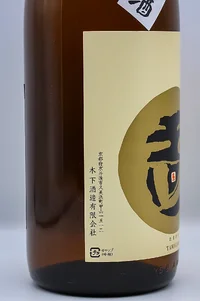
- Kinoshita Shuzō
- Name in Japanese
- 木下酒造
- Address
- 1512 Kumihamachō Koyama, Kyōtango, Kyōto 629-3442
- Phone
- 0772-82-0071
- Website

The brand name Tamagawa can be translated as "Jewel River." The name is thought to refer to the Kawakamidani River, which flows by the brewery. The character 玉 (tama) means a jewel and has sacred implications in Japan's native Shinto . 川 (kawa or gawa in compound words) means river.
Kinoshita Shuzō is one of the few Japanese breweries with a foreign tōji, Philip Harper. Born in the UK, he graduated from Oxford University. He taught English under the JET programme until he discovered sake. He worked at Umenoyado Sake Brewery for ten years before taking and passing the Nanbu Tōji Association's qualification test in 2001, earning him the title of 'Tōji'. He was the first foreigner to become a toji (and the only one at the time). He then worked at Umenoyado Shuzō, Daimon Shuzō and other breweries before becoming tōji at Kinoshita Shuzō in 2008.
Kinoshita Yoshito gave him full responsibility for everything except following the locally favoured taste of regular sake and daiginjō. He immediately began producing kimoto sake, which does not use brewing lactic acid, and yamahai, which uses only natural yeast from the brewery. In addition to new sake types like 'Icebreaker' and 'Time Machine', Tamagawa's legacy is reflected in the sake he produces.
Along with the new master brewer, the brewery's logo was redesigned by Sakane Katsusuke with an innovative design to symbolise the new Tamagawa. It is now widely known as the 'Marutama mark' (丸玉マーク).