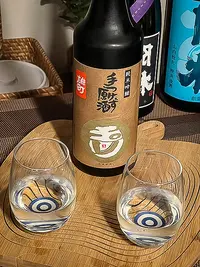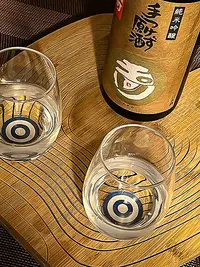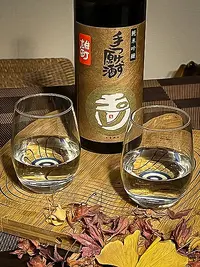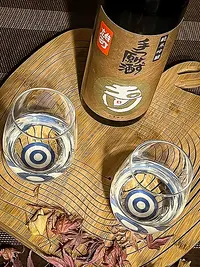
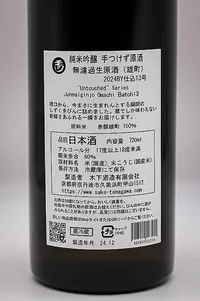
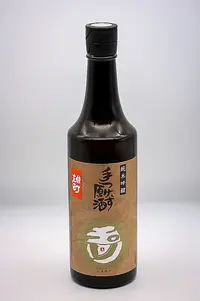
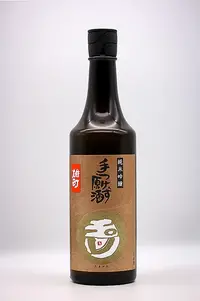
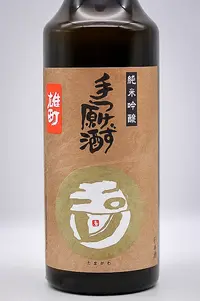
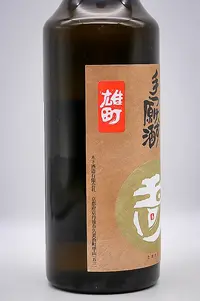
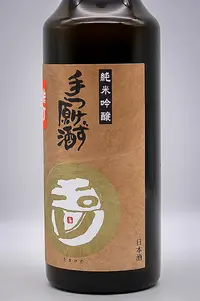
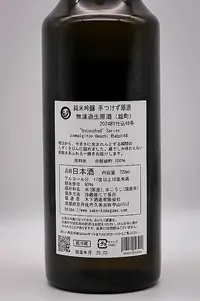
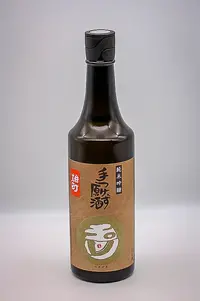
Sake specs
- Prefecture
- Kyōto (京都)
- Rice type
- Omachi (雄町)
- Polishing rate (semaibuai)
- 60%
- Alcohol content
- 17-18%
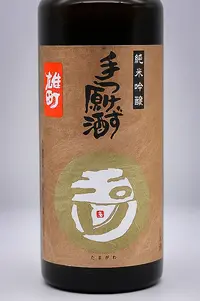
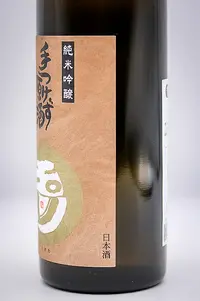
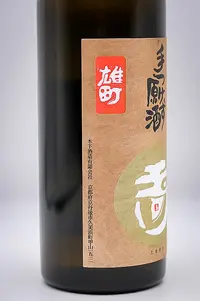
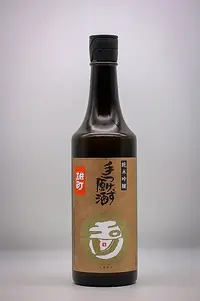
Tamagawa Tetsukezu Genshu Junmai Ginjō Omachi "3U" version (玉川 手つけず原酒 純米吟醸 雄町) i made of Omachi rice grown in Okayama and milled to 60%. The flavour shifts as freshly pressed shinshu morphs into mature sake are one of the sake world's great pleasures. Tamagawa's series of "3U" (unfiltered, undiluted and unpasteurized) limited editions offer the chance to taste the unpolished raw material of freshly pressed, untreated sake. Some of these products are blended as regular products, so they can only be tasted in this form.
Batch 13:





Batch 48:






About the brewery
- Brewery
- Kinoshita Shuzō
- Name in Japanese
- 木下酒造
- Address
- 1512 Kumihamachō Koyama, Kyōtango, Kyōto 629-3442
- Phone
- 0772-82-0071
- Website

The brand name Tamagawa can be translated as "Jewel River." The name is thought to refer to the Kawakamidani River, which flows by the brewery. The character 玉 (tama) means a jewel and has sacred implications in Japan's native Shinto . 川 (kawa or gawa in compound words) means river.
Kinoshita Shuzō is one of the few Japanese breweries with a foreign tōji, Philip Harper. Born in the UK, he graduated from Oxford University. He taught English under the JET programme until he discovered sake. He worked at Umenoyado Sake Brewery for ten years before taking and passing the Nanbu Tōji Association's qualification test in 2001, earning him the title of 'Tōji'. He was the first foreigner to become a toji (and the only one at the time). He then worked at Umenoyado Shuzō, Daimon Shuzō and other breweries before becoming tōji at Kinoshita Shuzō in 2008.
Kinoshita Yoshito gave him full responsibility for everything except following the locally favoured taste of regular sake and daiginjō. He immediately began producing kimoto sake, which does not use brewing lactic acid, and yamahai, which uses only natural yeast from the brewery. In addition to new sake types like 'Icebreaker' and 'Time Machine', Tamagawa's legacy is reflected in the sake he produces.
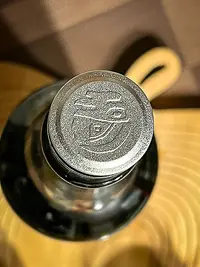
Along with the new master brewer, the brewery's logo was redesigned with an innovative design by Sakane Katsusuke to symbolise the new Tamagawa. It is now widely known as the 'Marutama mark' (丸玉マーク).