Sake specs
- Prefecture
- Nagano (長野)
- Rice type
- Hitogokochi (ひとごこち)
- Polishing rate (semaibuai)
- 49%
- Alcohol content
- 16.5%
- SMV
- +1.0
- Acidity
- 2.3
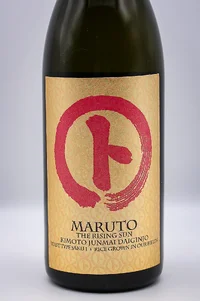
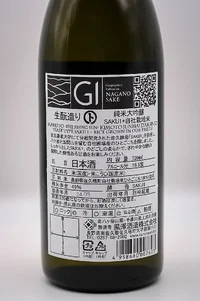
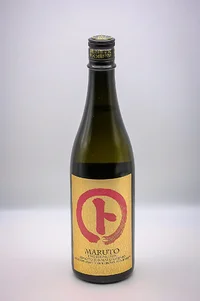
Maruto Kimoto Junmai Daiginjō SAKU1 (マルト生酛純米大吟醸 SAKU1) is produced using the SAKU1 yeast developed from the SAKU13 project, a collaborative initiative among 13 breweries in Saku, Nagano Prefecture. The yeast was isolated from the natural environment of the Saku region by Tōkyō University of Agriculture. The sake is brewed with 100% Hitogokochi rice grown in the brewery's own rice fields located within 500 metres of the kura, in an area overlooking Mount Yatsugatake and Mount Asama. Production follows the traditional kimoto (生酛) method.
Rice polishing is carried out to 49%. The sake has an alcohol content of 16.5%, an SMV of +1, and an acidity level of 2.3, placing it in a slightly dry category. The style combines a structured profile with a soft, smooth palate and a clearly defined acidity. It is suitable for a range of serving temperatures, including chilled, room temperature, and lightly warmed.





About the brewery
- Brewery
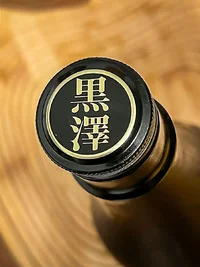
- Kurosawa Shuzō
- Name in Japanese
- 黒澤酒造
- Address
- 1400 Hozumi, Sakuho-machi, Minamisaku-gun, Nagano Prefecture 384-0702
- Phone
- 0267-88-2002
- Website


The brewery traces its origins to 1858, when the Kurosawa family began producing sake in this rural district of Shinshū (信州), the historical name for Nagano. It has remained a family enterprise for more than a century and a half. Today, the company is run by Kurosawa Kazuo (黒澤一男), the fifth generation of the family. The sixth generation, Kurosawa Yohei (黒澤洋平), serves as tōji, the master brewer responsible for production.
From the beginning, the brewery relied on local resources. Water from the Chikuma River basin serves as the basis for fermentation, while most of the rice used in brewing is grown within Nagano Prefecture. In recent decades, the brewery has worked with contracted farmers in the eastern Shinshū region, generally within a 35-kilometre radius of the brewery. A small portion of the rice is cultivated on the brewery's own fields, and all polishing is carried out in-house.
Leadership of brewing operations shifted in 2009, when Kurosawa Yohei became head brewer. He inherited the techniques and experience of the veteran brewer Nakazawa Tadashi (中澤忠), who had spent roughly sixty years in sake production and later remained with the company as a technical adviser. Under this arrangement, the brewery has continued to produce sake rooted in regional tradition while maintaining small-scale production tied closely to local agriculture.
The brewery's main brand is Izutsuchō (井筒長). Its sake is associated with the cold climate and high-altitude conditions of the Saku region, where brewing benefits from stable winter temperatures and mineral-balanced water flowing down from the surrounding mountains.