Sake specs
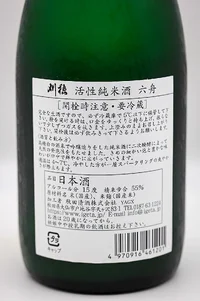
- Prefecture
- Akita (秋田)
- Rice type
- Sake Komachi (酒こまち)
- Polishing rate (semaibuai)
- 50%
- Alcohol content
- 15%
- SMV
- +2.0
- Acidity
- 1.5
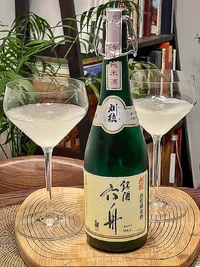
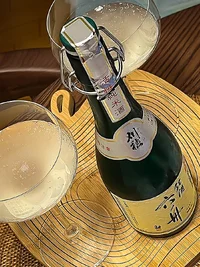
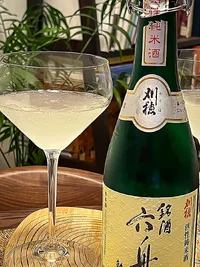
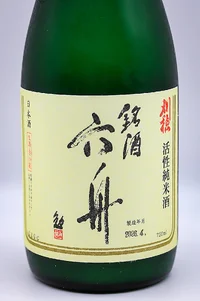
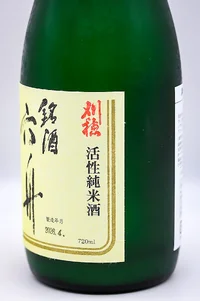
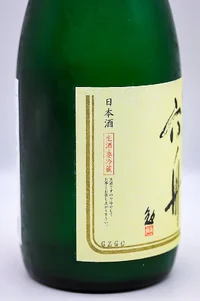
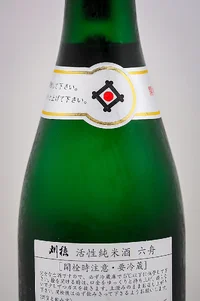
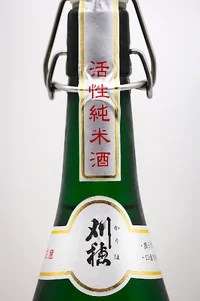
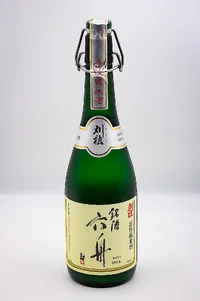
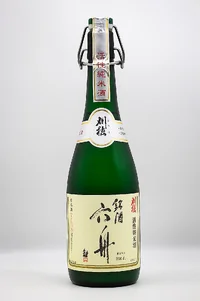
Kariho Rokushū Kassei Junmaishu (刈穂 六舟 活性純米酒) is a naturally sparkling junmai sake brewed to junmai ginjō standards using Sake Komachi rice polished to 50% and Kyōkai No. 901 yeast. Its fine effervescence is created through secondary fermentation in the bottle, the same basic method used in Champagne production, rather than by injecting carbon dioxide.
The brewery describes fresh apple-like aromas rising with the bubbles, followed by a smooth texture and gentle rice-derived sweetness and umami. With a Sake Meter Value of +2 and an acidity of 1.5, it is intended to retain a refreshing, relatively dry balance despite its full flavour. The alcohol content is 15%.
It can be served as a sparkling sake for a toast or enjoyed with food throughout a meal. As an active, naturally carbonated sake, it must be kept refrigerated and served well chilled.







About the brewery
- Brewery
- Kariho Shuzo
- Name in Japanese
- 刈穂酒造
- Address
- 75 Jinguji aza Jinguji, Daisen, Akita 019-1701, Japan
- Phone
- 0187-72-2311
- Website
秋田清酒株式会社 | 出羽鶴・やまとしずく・刈穂
秋田清酒株式会社 - 公式サイト | 出羽鶴酒造及び刈穂酒造で醸造された日本酒・焼酎・リキュールの瓶詰・貯蔵・販売を行っております。 www.igeta.jp
- Online store
The origins of Kariho Brewery date back to 1850 (Kaei 3), when its historic brewery building was constructed on the banks of the Omono River in what is now Daisen, Akita Prefecture. During the late Edo period , the river was an important transportation route, allowing rice, sake and other goods to be distributed throughout the region.
The present-day brewery was established in 1913 (Taishō 2), when Itō Kyōnosuke, a brewer from a neighbouring village, joined with thirteen local investors to acquire the historic premises and found Jingūji Shuzō Co., Ltd. This marked the beginning of the Kariho brand.
The name Kariho (刈穂) is derived from a famous waka poem by Emperor Tenchi (626–671):
The poem describes a temporary harvest hut (kariho) standing in the autumn rice fields and expresses appreciation for the farmers who cultivate the rice. The brewery chose the name as a tribute to rice growers, whose work lies at the heart of sake brewing.
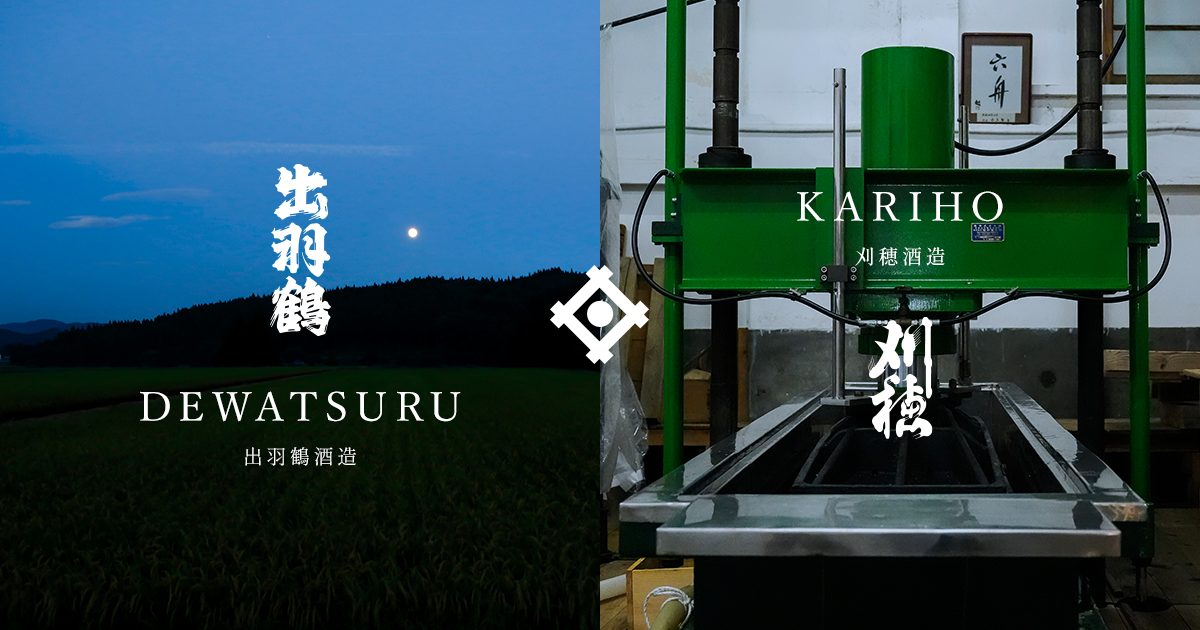
Today, Kariho is one of the two principal brands produced by Akita Seishu Co., Ltd., alongside Dewatsuru. Although it forms part of a larger company, Kariho continues to be brewed in its historic kura using traditional methods. It is particularly known for its yamahai brewing, long, low-temperature fermentations, and the continued use of six traditional wooden sakabune presses. These presses inspired the name of the brewery's Rokushū (六舟, "Six Boats") series and remain a defining feature of Kariho's brewing philosophy. Because pressing with a sakabune is labour-intensive and time-consuming, few breweries still use this method for their entire production. Kariho regards it as an essential part of producing the balanced, full-bodied style for which the brewery is known.
The present-day brewery was established in 1913 (Taishō 2), when Itō Kyōnosuke, a brewer from a neighbouring village, joined with thirteen local investors to acquire the historic premises and found Jingūji Shuzō Co., Ltd. This marked the beginning of the Kariho brand.
The name Kariho (刈穂) is derived from a famous waka poem by Emperor Tenchi (626–671):
The poem describes a temporary harvest hut (kariho) standing in the autumn rice fields and expresses appreciation for the farmers who cultivate the rice. The brewery chose the name as a tribute to rice growers, whose work lies at the heart of sake brewing.
Today, Kariho is one of the two principal brands produced by Akita Seishu Co., Ltd., alongside Dewatsuru. Although it forms part of a larger company, Kariho continues to be brewed in its historic kura using traditional methods. It is particularly known for its yamahai brewing, long, low-temperature fermentations, and the continued use of six traditional wooden sakabune presses. These presses inspired the name of the brewery's Rokushū (六舟, "Six Boats") series and remain a defining feature of Kariho's brewing philosophy. Because pressing with a sakabune is labour-intensive and time-consuming, few breweries still use this method for their entire production. Kariho regards it as an essential part of producing the balanced, full-bodied style for which the brewery is known.