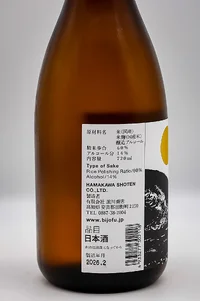
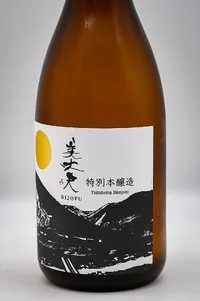
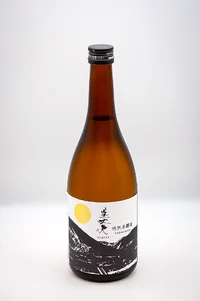
Sake specs
- Prefecture
- Kōchi (高知)
- Rice type
- Matsuyama Mitsui (産松山三井)
- Polishing rate (semaibuai)
- 60%
- Alcohol content
- 14%
- SMV
- +6.0
- Acidity
- 1.2
- Amino acid level
- 0.9
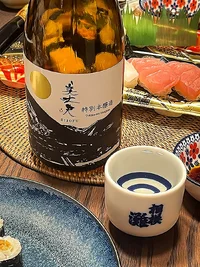
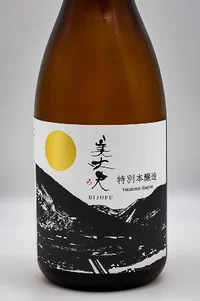
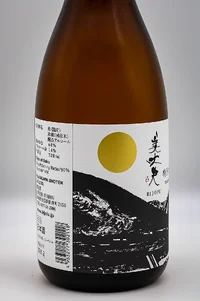
Bijōfu Tokubetsu Honjōzō (美丈夫 特別本醸造) is a versatile sake from Hamakawa Shōten in Kōchi Prefecture. It is made with Matsuyama Mitsui (松山三井) rice from Ehime Prefecture, polished to 60%, and has an alcohol content of 14%.
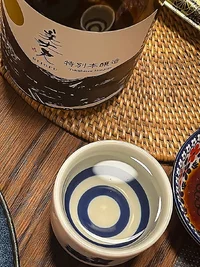
The brewery produces it as an everyday food sake, with a light, dry character and a clean finish. The relatively high polishing ratio gives it a smooth and clear taste, while the soft local water helps keep the sake gentle and easy to drink. It can be enjoyed chilled or at room temperature, but is also particularly suited to warming, which brings out a softer and slightly fuller character. Its restrained style makes it suitable for a wide range of dishes, particularly seafood, grilled fish and other simple Japanese food.
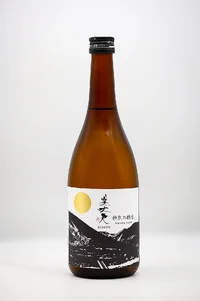





About the brewery
- Brewery
- Hamakawa Shōten
- Name in Japanese
- 濵川商店
- Address
- 2150 Tano-chō, Aki-gun, Kochi 781-6410
- Phone
- 0887-38-2004
- Website
美丈夫 濵川商店 BIJOFU
美丈夫。美しく、強く、そして優しい、土佐の酒。高知の濵川商店、美丈夫の公式Webサイトです。BIJOFU, a sake from Tosa district, is beautiful and strong and kind. This is the official website of BIJOFU by HAMAKAWA SHOTEN in Kochi.bijofu.jp
- Online store

高知の地酒銘柄 美丈夫(びじょうふ)
高知の地酒銘柄、美丈夫(びじょうふ)を醸す濵川商店が運営するオンラインストアです。 まさを追求し続ける美丈夫の日本酒、リキュール、焼酎の他、特製グッズを販売しています bijofu.shop
Hamakawa Shōten (濵川商店) was founded in 1904 in Tano (田野町), a small town in eastern Kōchi Prefecture. It is the easternmost sake brewery in Kōchi and produces the Bijōfu (美丈夫) brand, now one of the prefecture's better-known names.
The name Bijōfu literally means "handsome" or "fine-looking," but in the context of the brand, it conveys a stronger image of a man who is both impressive and accomplished. The brewery associates the name with the spirit of the men of Tosa, particularly Sakamoto Ryōma (坂本龍馬), and describes its ideal sake in similar terms: beautiful, strong and gentle.
The brewery's location plays an important role in its sake. Its brewing water comes from underground water associated with the Nahari River (奈半利川). The river rises in the mountainous Yanase (魚梁瀬) region, known for its forests of Yanase cedar, before flowing through eastern Kōchi toward the Pacific. The water reaching the brewery is exceptionally soft, and Hamakawa Shōten regards this as one of the foundations of Bijōfu's relatively gentle and refined character.
Although Kōchi sake has traditionally been associated with a clean, dry style suited to the prefecture's food culture, Hamakawa Shōten has developed its own interpretation of that tradition. Bijōfu generally emphasises clarity and freshness rather than weight, with acidity helping to give the sake a clean finish. This approach extends from the brewery's everyday sake to its premium ginjō and daiginjō releases.
The range today is quite broad. Premium sake includes Bijōfu Yumebakari (美丈夫 夢許), Kaoru (薫), Hina (鄙), Mai (舞) and Gin no Yume (吟の夢), while the standard range includes Junrei Tama Label (純麗たまラベル), Rei (麗), Tokubetsu Junmai, and Tokubetsu Honjōzō. The brewery also produces sparkling sake and a substantial range of fruit liqueurs and other drinks using regional ingredients such as Kōchi yuzu.
Today, Hamakawa Shōten remains closely tied to eastern Kōchi while producing a considerably wider range than its traditional sake alone might suggest. The combination of very soft local water, the dry sake culture of Tosa, and an emphasis on careful, temperature-controlled production has shaped the modern Bijōfu style: generally clean and restrained, with enough acidity and structure to make the sake particularly food-friendly.
The name Bijōfu literally means "handsome" or "fine-looking," but in the context of the brand, it conveys a stronger image of a man who is both impressive and accomplished. The brewery associates the name with the spirit of the men of Tosa, particularly Sakamoto Ryōma (坂本龍馬), and describes its ideal sake in similar terms: beautiful, strong and gentle.
The brewery's location plays an important role in its sake. Its brewing water comes from underground water associated with the Nahari River (奈半利川). The river rises in the mountainous Yanase (魚梁瀬) region, known for its forests of Yanase cedar, before flowing through eastern Kōchi toward the Pacific. The water reaching the brewery is exceptionally soft, and Hamakawa Shōten regards this as one of the foundations of Bijōfu's relatively gentle and refined character.
Although Kōchi sake has traditionally been associated with a clean, dry style suited to the prefecture's food culture, Hamakawa Shōten has developed its own interpretation of that tradition. Bijōfu generally emphasises clarity and freshness rather than weight, with acidity helping to give the sake a clean finish. This approach extends from the brewery's everyday sake to its premium ginjō and daiginjō releases.
The range today is quite broad. Premium sake includes Bijōfu Yumebakari (美丈夫 夢許), Kaoru (薫), Hina (鄙), Mai (舞) and Gin no Yume (吟の夢), while the standard range includes Junrei Tama Label (純麗たまラベル), Rei (麗), Tokubetsu Junmai, and Tokubetsu Honjōzō. The brewery also produces sparkling sake and a substantial range of fruit liqueurs and other drinks using regional ingredients such as Kōchi yuzu.
Today, Hamakawa Shōten remains closely tied to eastern Kōchi while producing a considerably wider range than its traditional sake alone might suggest. The combination of very soft local water, the dry sake culture of Tosa, and an emphasis on careful, temperature-controlled production has shaped the modern Bijōfu style: generally clean and restrained, with enough acidity and structure to make the sake particularly food-friendly.