

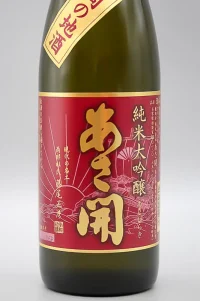
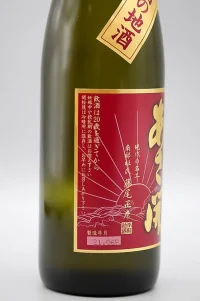
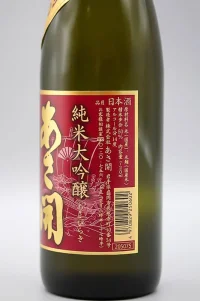
Sake specs
- Prefecture
- Iwate (岩手)
- Rice type
- Domestic rice (国産米)
- Polishing rate (semaibuai)
- 50%
- Alcohol content
- 14%
- SMV
- ±0
- Acidity
- 1.4
- Amino acid level
- 1.15
Asabiraki Junmai Daiginjō (あさ開 純米大吟醸) is made of domestic rice milled down to 50% and was crafted by nanbu tōji Fujio Masahiko (藤尾正彦), using Daijishimizu (大慈清水) water, selected one of the 100 best water sources of the Heisei era. This Junmai Daiginjō is brewed in the Nanbu style, known for its gorgeous aroma and delicious rice flavour. Asabiraki recommends drinking it chilled and pairing it with grilled saury, grated shirasu, cheese, and Eight-Treasure Vegetables (八宝菜 happōsai).



About the brewery
- Brewery
- Asabiraki Brewery
- Name in Japanese
- あさ開
- Address
- 10-34 Daijiji-chō, Morioka-shi, Iwate 020-0828
- Phone
- 019-652-3111
- Website
あさ開
全国新酒鑑評会で唯一の12年連続金賞受賞中の岩手・盛岡の酒蔵「あさ開」直営店。南部杜氏が精魂込めて仕込んだ日本酒の粋を酒蔵の味わいそのままにお届けいたします。www.asabiraki-net.jp
Asabiraki Brewery is located in Morioka, Iwate Prefecture. It was founded in 1871 by Murai Genzo (村井源三), a seventh-generation samurai of Nanbu Domain, who quit his samurai life and started producing sake at the present location. The name Asabiraki (あさ開) derives from an 8th-century waka poem in the Manyoshu, the oldest anthology of Japanese poetry, in which a boat leaves the harbour in the early morning. It symbolises the start of Genzo's new life as a merchant and marks the beginning of the Meiji era.
Nanbu tōji are seasoned craftsmen of the Nanbu Tōji Guild. They hail from Nanbu Domain and have honed their skills over 300 years, a technical mastery famous throughout Japan. Based on the cold Northern climate of Iwate, the Nanbu style is characterised by a well-defined aroma with a spicy finish and brewing methods employing lower temperatures and longer-term fermentation techniques.
Due to its relatively small yield, obtaining Yamada Nishiki rice in Iwate was challenging. Asabiraki decided to grow rice suitable for the climate in Iwate and, after many trials, succeeded in growing Miyamanishiki, a grain initially from Nagano. After eight more years of research, the brewery developed its brand of Iwate rice called 'Ginginga' (吟ぎんが). It is carefully milled to 50% and has a refreshing aroma and a light taste.
Nanbu tōji are seasoned craftsmen of the Nanbu Tōji Guild. They hail from Nanbu Domain and have honed their skills over 300 years, a technical mastery famous throughout Japan. Based on the cold Northern climate of Iwate, the Nanbu style is characterised by a well-defined aroma with a spicy finish and brewing methods employing lower temperatures and longer-term fermentation techniques.
Rice:
Due to its relatively small yield, obtaining Yamada Nishiki rice in Iwate was challenging. Asabiraki decided to grow rice suitable for the climate in Iwate and, after many trials, succeeded in growing Miyamanishiki, a grain initially from Nagano. After eight more years of research, the brewery developed its brand of Iwate rice called 'Ginginga' (吟ぎんが). It is carefully milled to 50% and has a refreshing aroma and a light taste.
Awards:
- 2021: Gold Prize at the National New Breweries Competition (28 prizes, including 23 gold medals)
- 2021: Tōji Nanbu's Sake Competition, Grand Prize (63 times)
- 2020: Awarded the Superior Prize at the Nanbu Tōji Home-brewed Sake Competition (62 times in total)
- 2019: Gold medal at the National New Breweries Competition (27 awards, including 22 gold medals)
- 2019: Nanbu Tōji Jizou Sake Competition, Grand Prize (61 times in total)
- 2018: Gold medal at the National New Sake Competition (26 awards, including 21 gold medals)
- 2018: Nanbu Tōji Jizō Sake Competition, Grand Prize (60 times in total)
- 2017: Special Prize in the Ginjō category at the Tōhoku Sake Competition
- 2017: First prize, Nanbu Tōji Jizō Sake Competition
- 2016: Gold medal at the National New Sake Competition (25 consecutive awards, 20 of which were gold medals)
- 2015: First prize in the Ginjō-shu category at the Tōhoku Sake Competition, second prize in the Junmai-shu category
- 2015: National New Sake Competition: Awarded (24 times in a row, including 19 times Gold Prize)
- 2014: Gold medal at the National New Sake Competition (23 consecutive awards, 19 of which were gold medals)
- 2013: Gold medal at the All Japan New brew of Sake Competition (22 consecutive prizes, 18 of which were gold medals)
- 2012: Gold medal at the National New Sake Competition (21 consecutive awards, including 17 gold medals)
- 2011: Iwate Prefecture Sake Competition, first prize, Iwate Prefecture Governor's Prize, Ginjo-shu category
- 2011: Iwate Sake Competition, Gold Prize, Junmai-shu Category
- 2011: Tōhoku Sake Competition, Grand Prize, Ginjō-shu category (25 times)
- 2010: Gold medal at the National New Sake Competition (19 consecutive prizes, 16 of which were gold medals)
- 2009: Tōhoku Sake Competition, Grand Prize in the Ginjō-shu category (24 consecutive awards)
- 2008: Tōhoku Sake Competition, Grand Prize, Ginjō-shu category (23 consecutive awards)
- 2007: Gold medal at the National New Breweries Competition (16 consecutive awards, 14 of which were gold medals)
- 2007: Nanbu Tōji Jizokozo Sake Competition, Grand Prize (50 times)
- 2007: Iwate Prefecture Sake Competition, Gold Prize in the Ginjō-shu and Junmai-shu categories (22 consecutive awards)
- 2004: Iwate Prefecture New Brewed Sake Competition, First Prize, Iwate Prefecture Governor's Prize
- 1998: Grand Prix, Toronto Sake Festival
- 1996: Grand Prix at the London Sake Festival
- 1995: Grand Prix at the Paris Sake Festival
- 1995: Grand Prix at the Special Town Sake Contest "Ginjō-shu Category and Junmai-shu category
- 1994: Grand Prix at the Special Town Sake Contest in the category "Ginjō-shu" and "Honjōzo".
- 1992: Grand Prix at the Special Town Sake Contest "Junmaishu" category


