amabuki-junmai-ginjo-himawari-kobo-nama-01.webp

Amabuki Junmai Ginjō Sunflower Yeast Nama

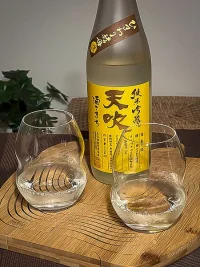
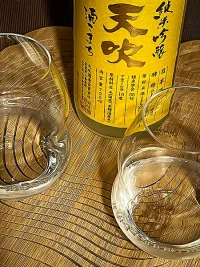
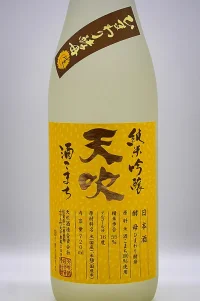
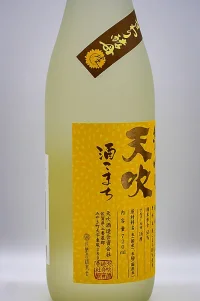
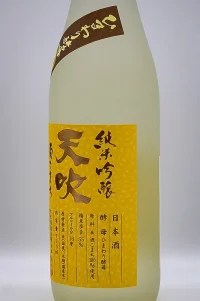
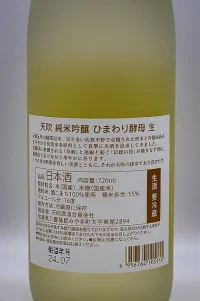
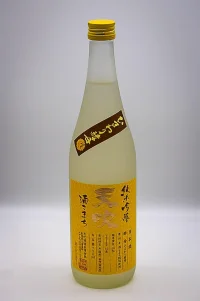
Amabuki Junmai Ginjō Sunflower Yeast Nama is a namazake made of Sake Komachi rice milled to 55%. The yellow-labelled Himawari Kōbo is made of sunflower yeast.
Leave a rating

Sake specs

Prefecture
Saga (佐賀)
Rice type
Sake Komachi (酒こまち)
Polishing rate (semaibuai)
55%
Alcohol content
16%
SMV
+9.0
Acidity
1.6
Amabuki Junmai Ginjō Sunflower Yeast Nama (天吹 純米吟醸 ひまわり酵母 生)

Amabuki Junmai Ginjō Sunflower Yeast Nama (天吹 純米吟醸 ひまわり酵母 生) is a namazake made of Sake Komachi rice milled to 55%. The yellow-labelled Himawari Kōbo (ひまわり酵母) is made of sunflower yeast.

Sunflower yeast is a unique strain cultivated specifically for Amabuki's sake. As the name suggests, it originates from sunflower blossoms, but the process of extracting and refining this yeast is far more intricate than simply harvesting flowers.

Multiple yeast strains coexist within a single sunflower, but not all are suitable for sake brewing. Through meticulous experimentation, we isolate the strains that exhibit optimal alcohol production, tolerance, and other essential qualities for crafting exceptional sake. This rigorous selection process ensures that only the most promising yeast is used to produce our signature brews.

Sake made with sunflower yeast is characterized by its fresh, fruity aroma and crisp, refreshing taste. The flavour profile is a harmonious blend of gentle sweetness, subtle acidity, and a clean, firm aftertaste. Unlike some dry sakes, Sunflower yeast sake offers a well-balanced flavour profile that is enjoyable and invigorating. Its light, refreshing character makes it an ideal choice for summer sipping.
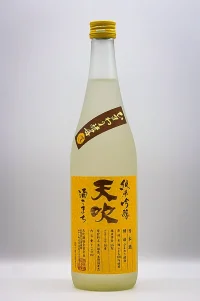

Amabuki Junmai Ginjō Sunflower Yeast Nama (天吹 純米吟醸 ひまわり酵母 生) Amabuki Junmai Ginjō Sunflower Yeast Nama (天吹 純米吟醸 ひまわり酵母 生) Amabuki Junmai Ginjō Sunflower Yeast Nama (天吹 純米吟醸 ひまわり酵母 生) Amabuki Junmai Ginjō Sunflower Yeast Nama (天吹 純米吟醸 ひまわり酵母 生) Amabuki Junmai Ginjō Sunflower Yeast Nama (天吹 純米吟醸 ひまわり酵母 生) Amabuki Junmai Ginjō Sunflower Yeast Nama (天吹 純米吟醸 ひまわり酵母 生)

About the brewery

Brewery
Amabuki Shuzō
Name in Japanese
天吹酒造
Address
2894 Higashio, Miyaki-chō, Miyaki-gun, Saga Prefecture, 849-0113
Phone
0942-89-2001
Website
Online store
amabuki-logo.png
Amabuki Brewery, situated in Saga Prefecture, lies southwest of Mount Amabuki (天吹山). The brewery derives its name from the majestic appearance of the mountain. With a rich history spanning 300 years, Amabuki is a renowned sake brewery. Here, they utilize sake rice harvested from the fertile Saga Plain, draw upon the mellow subsoil water sourced from the Sefuri Mountains, and employ a unique yeast strain known as "flower yeast." The skilled brewers, who have inherited their craft over the years, wholeheartedly dedicate themselves to the art of creating exquisite sake.

Latest reviews

Colour / hue
Pale Yellow
Clarity
Clear
Amabuki Brewery is known for its meticulous development and extensive use of flower yeast. This Junmai Ginjō Namazake is made of sunflower yeast and offers a delicate, fruity nose with floral elements and subtle hints of green and alcohol. The texture is smooth and satin-like, with a gentle yet refreshing acidity that balances the moderate sweetness. The finish is spicy, adding complexity to the overall profile. Conceived as a summer sake, it is a subtle, refreshing, and well-balanced brew perfect for the last hot days of summer and the cool nights of early autumn.

Amabuki Junmai Ginjō Himawari Kobo Nama Amabuki Junmai Ginjō Himawari Kobo Nama


Appearance: clear and lemon-green
Nose: clean and medium
Aroma: fruity, sweet
Sweetness: medium-
Acidity: medium
Umami: medium-
Alcohol: medium
Body: medium
Flavour intensity: medium
Flavour characteristics: fruity, sweet
Texture: standard
Finish: medium
Quality level: very good
Upvote 0

Comments

There are no comments to display.
Tailor your train travel!

Table of contents

sake information

Category
Junmai Ginjō
Added by
JREF
Views
755
Watchers
1
Reviews
1
Last update
Rating
4.00 star(s) 1 ratings
Location
〒849-0113 佐賀県三養基郡みやき町東尾2894

More in Junmai Ginjō

More from JREF

Back
Top Bottom