


- 14 Mar 2002
- 21,050
- 18,903
As spring shellfish season begins, chefs and seafood dealers in Tokyo say it is becoming harder to find local clams, once common in Tokyo Bay. Environmental changes and shrinking stocks have pushed prices higher and shortened supply. March marks the start of the season for asari clams, long associated with the bay and a staple of fukagawa-meshi, the rice dish that forms part of the capital's local cuisine.
Supplies from the bay have dwindled. An employee at the seafood wholesaler Chuo Gyorui said the remaining clams are small, about the size of a thumbnail. Imports now dominate the market. About 90% of the asari arriving at Tokyo's Toyosu fish market come from China.
Prices reflect the scarcity of domestic catch. Medium-sized asari from Aichi Prefecture sell for ¥1,600 to ¥1,800 ($10.20 to $11.40) per kilogram at Toyosu, more than double the roughly ¥700 charged for Chinese clams. Japan's total asari harvest fell by more than 40% over the five years through 2024. Takaaki Sugita, owner and chef of the edomae sushi restaurant Nihonbashi Kakigaracho Sugita, visits Toyosu each morning in search of shellfish. Spring remains the peak season, he says, though the clams grow harder to find each year.
In 2025, about 90% of farmed scallops in Mutsu Bay in Aomori Prefecture died after seawater temperatures rose. The loss has left farmers short of young scallops for future harvests, putting the industry under pressure. Output in Hokkaido , Japan's main scallop-producing region, also fell 15% in 2025.
Paywall alert:

 asia.nikkei.com
Supplies from the bay have dwindled. An employee at the seafood wholesaler Chuo Gyorui said the remaining clams are small, about the size of a thumbnail. Imports now dominate the market. About 90% of the asari arriving at Tokyo's Toyosu fish market come from China.
Prices reflect the scarcity of domestic catch. Medium-sized asari from Aichi Prefecture sell for ¥1,600 to ¥1,800 ($10.20 to $11.40) per kilogram at Toyosu, more than double the roughly ¥700 charged for Chinese clams. Japan's total asari harvest fell by more than 40% over the five years through 2024. Takaaki Sugita, owner and chef of the edomae sushi restaurant Nihonbashi Kakigaracho Sugita, visits Toyosu each morning in search of shellfish. Spring remains the peak season, he says, though the clams grow harder to find each year.
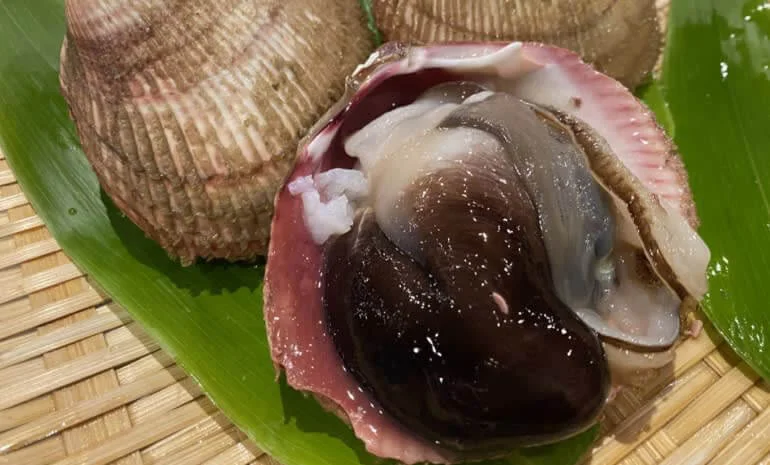
Shellfish prices at Toyosu have been climbing faster than for fish. Torigai sold for an average of about 3,400 yen per kilogram at Toyosu in 2025, up 40% from five years earlier. Other spring sushi shellfish have seen even sharper rises: 70% for oysters, 80% for scallops and double for akagai ark shell. The issue is not only with wild populations. Aquafarming, which should provide a steady supply of shellfish, has also become more difficult. This past winter, the Seto Inland Sea saw mass oyster die-offs, with 80% to 90% dying in some areas.
In 2025, about 90% of farmed scallops in Mutsu Bay in Aomori Prefecture died after seawater temperatures rose. The loss has left farmers short of young scallops for future harvests, putting the industry under pressure. Output in Hokkaido , Japan's main scallop-producing region, also fell 15% in 2025.
Paywall alert:
Tokyo's traditional sushi culture faces shellfish shortage
Shrinking populations amid climate change push up prices, shorten seasons
asia.nikkei.com


