

Navigation
Install the app
How to install the app on iOS
Follow along with the video below to see how to install our site as a web app on your home screen.
Note: This feature may not be available in some browsers.
More options
Style variation
System
Light
Dark
You are using an out of date browser. It may not display this or other websites correctly.
You should upgrade or use an alternative browser.
You should upgrade or use an alternative browser.
Japan Photos 2025
- Thread starter thomas
- Start date
One that I like.
Maybe a better version of one posted above.
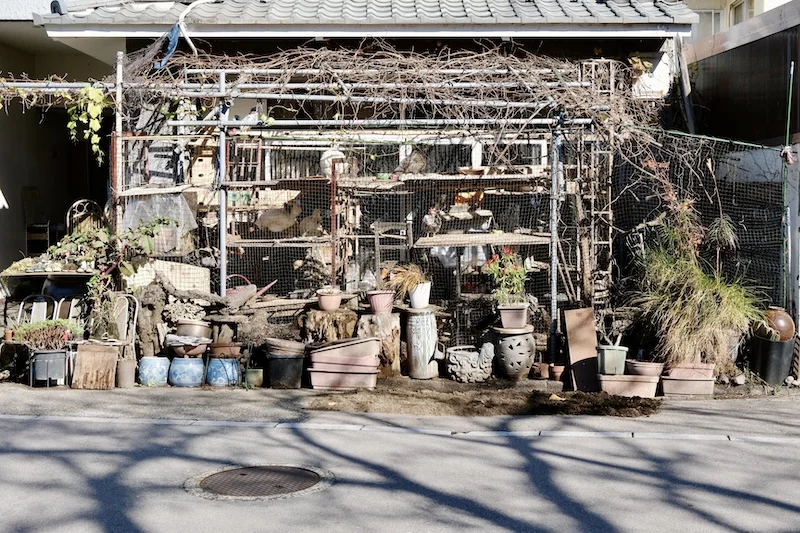
And this place used to be nice, a kind of gallery of home-made art--good location, and it seemed to attract a good number of people.
Hard to see them I guess, but now they're raising chickens. (and the bit of red is peppers.)
Maybe a better version of one posted above.
And this place used to be nice, a kind of gallery of home-made art--good location, and it seemed to attract a good number of people.
Hard to see them I guess, but now they're raising chickens. (and the bit of red is peppers.)
Last edited:

- 14 Mar 2002
- 21,050
- 18,903
- Thread starter
- #253
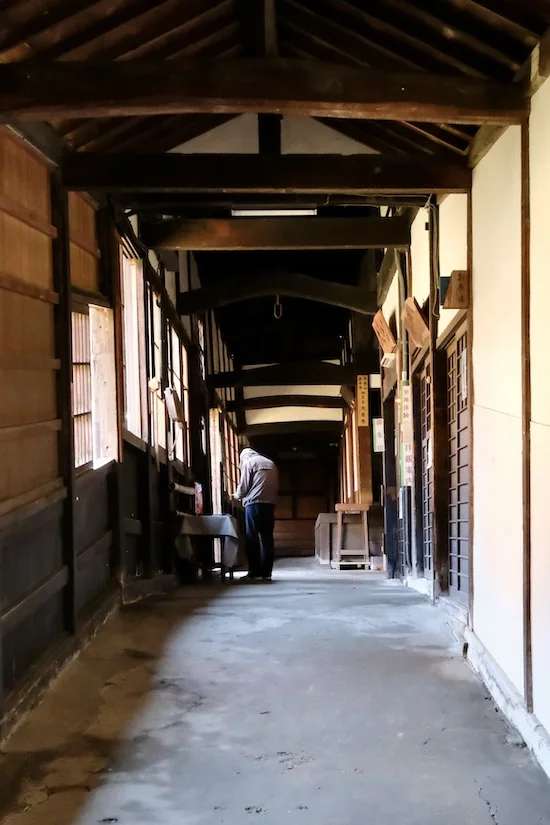
Yes, there's a guest book there where that guy is, or something like that, across from an almost never-manned 'office' of some kind. I was down the way from there and happened to notice this guy at the table, writing something (name and address?).
It took me longer than I thought it would to get this shot off, and it's not the sharpest, since it was done without attending to whatever exposure settings were already set. But I think the content of the shot overrides that.
A bit of luck--esp the ISO (not sure why I had set it so high) The data says ISO 6400, f4, 1/105 sec, and 26mm (which I think would be 39mm in the full frame world--for fujifilm the correct way is to multiply what it says by 1.5). I did crop the original ("trimming") to get this.
**
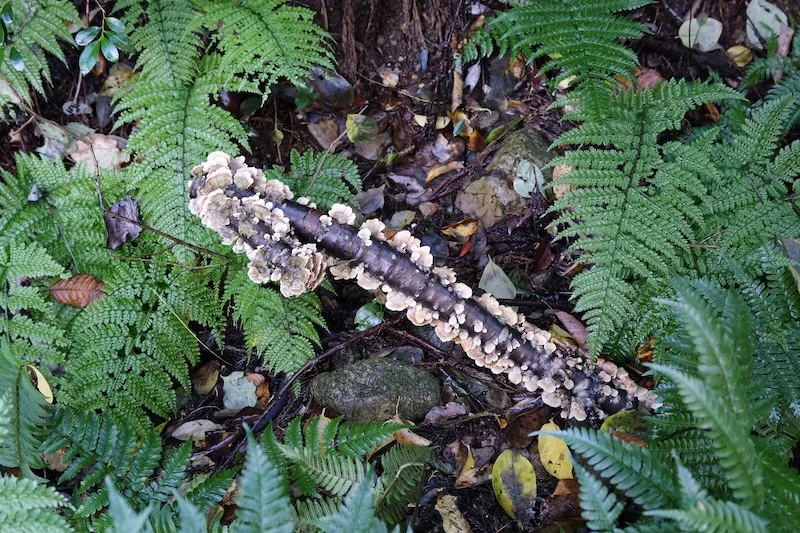
That was about noon or so. And oddly enough, on our family group chat one of our kids sent this link about a bear sighting. Tho I was driving, Yamashina (and 丘陵公園) is immediately between where we live and daijoji. There were other people around, and nobody seemed to have been alerted to the bear news. And the second/middle pic, above, was taken in a wooded area in that park about the same time.
Edit: and thankfully, a fully heartfelt thankfully (unlike downtown), I've yet to see any foreign tourists at this place (tho I've met like two foreign monks there in the past 30 years). Never any buses, even japanese. It's not my thing, but when I first came my first 学部長 (who also lived nearby) would go there (very) early and sit for the morning services. We're close enough we can hear the gong early at home, when the wind is right.
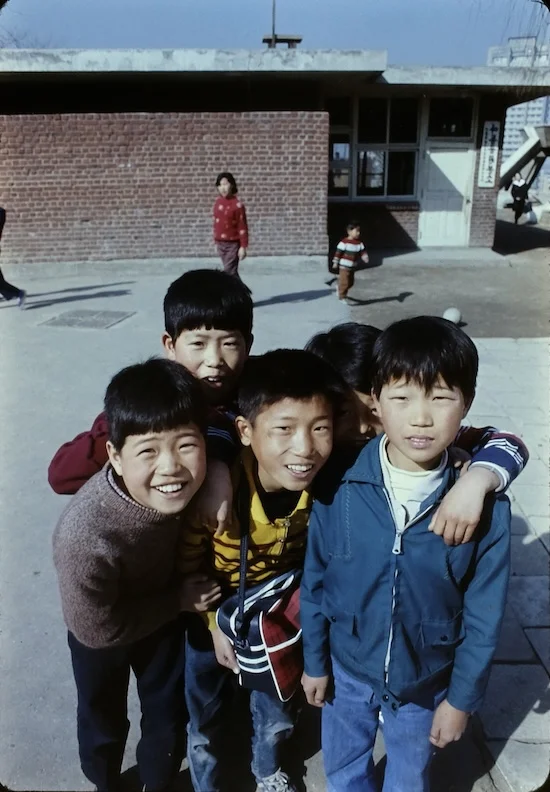
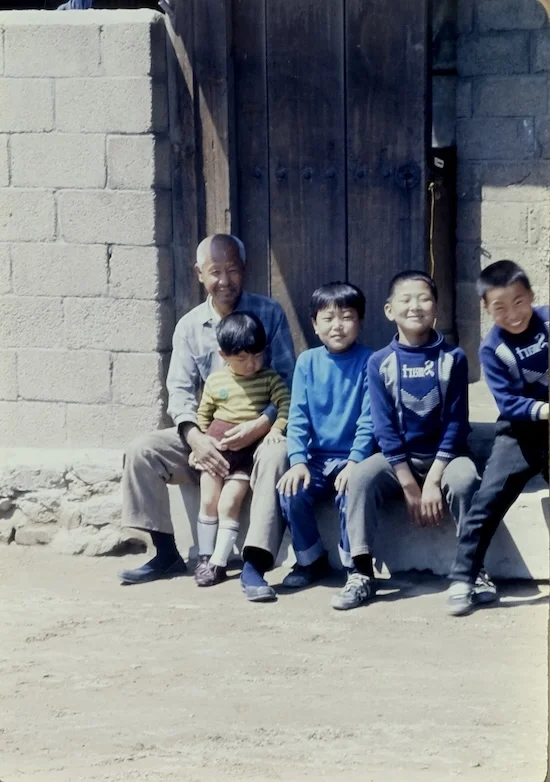
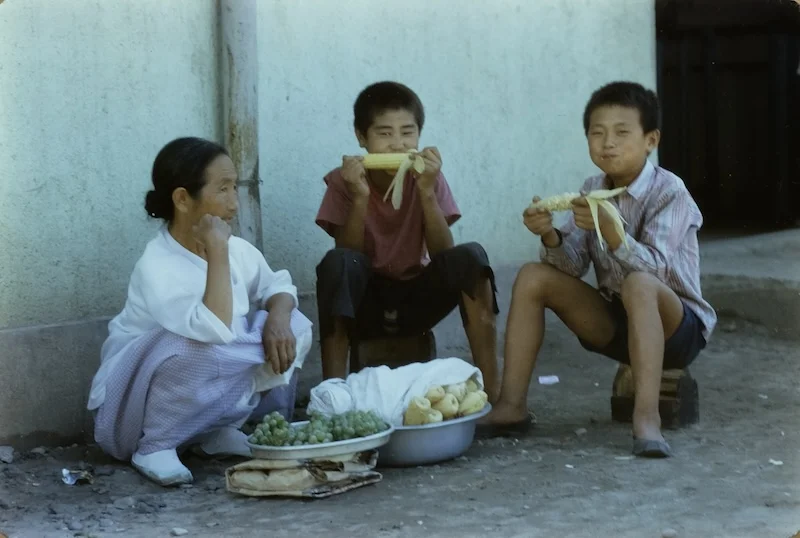
And edit-edit: Long ago in korea, early 70s, I took lots of people pics. It wasn't taboo then, and I think people enjoyed having the attention of a photographer. But times change, and correctness now limits how freely you can take pics of people. The above shot is nice because the person in it is not identifiable; long ago in korea, if I wanted to take a picture of people, they'd freely/willingly line up and pose, esp kids (below). But times change...
It took me longer than I thought it would to get this shot off, and it's not the sharpest, since it was done without attending to whatever exposure settings were already set. But I think the content of the shot overrides that.
A bit of luck--esp the ISO (not sure why I had set it so high) The data says ISO 6400, f4, 1/105 sec, and 26mm (which I think would be 39mm in the full frame world--for fujifilm the correct way is to multiply what it says by 1.5). I did crop the original ("trimming") to get this.
**
That was about noon or so. And oddly enough, on our family group chat one of our kids sent this link about a bear sighting. Tho I was driving, Yamashina (and 丘陵公園) is immediately between where we live and daijoji. There were other people around, and nobody seemed to have been alerted to the bear news. And the second/middle pic, above, was taken in a wooded area in that park about the same time.
Edit: and thankfully, a fully heartfelt thankfully (unlike downtown), I've yet to see any foreign tourists at this place (tho I've met like two foreign monks there in the past 30 years). Never any buses, even japanese. It's not my thing, but when I first came my first 学部長 (who also lived nearby) would go there (very) early and sit for the morning services. We're close enough we can hear the gong early at home, when the wind is right.
And edit-edit: Long ago in korea, early 70s, I took lots of people pics. It wasn't taboo then, and I think people enjoyed having the attention of a photographer. But times change, and correctness now limits how freely you can take pics of people. The above shot is nice because the person in it is not identifiable; long ago in korea, if I wanted to take a picture of people, they'd freely/willingly line up and pose, esp kids (below). But times change...
Last edited:

- 3 Aug 2007
- 1,290
- 1,611
Arashiyama Bamboo Grove - Kyoto
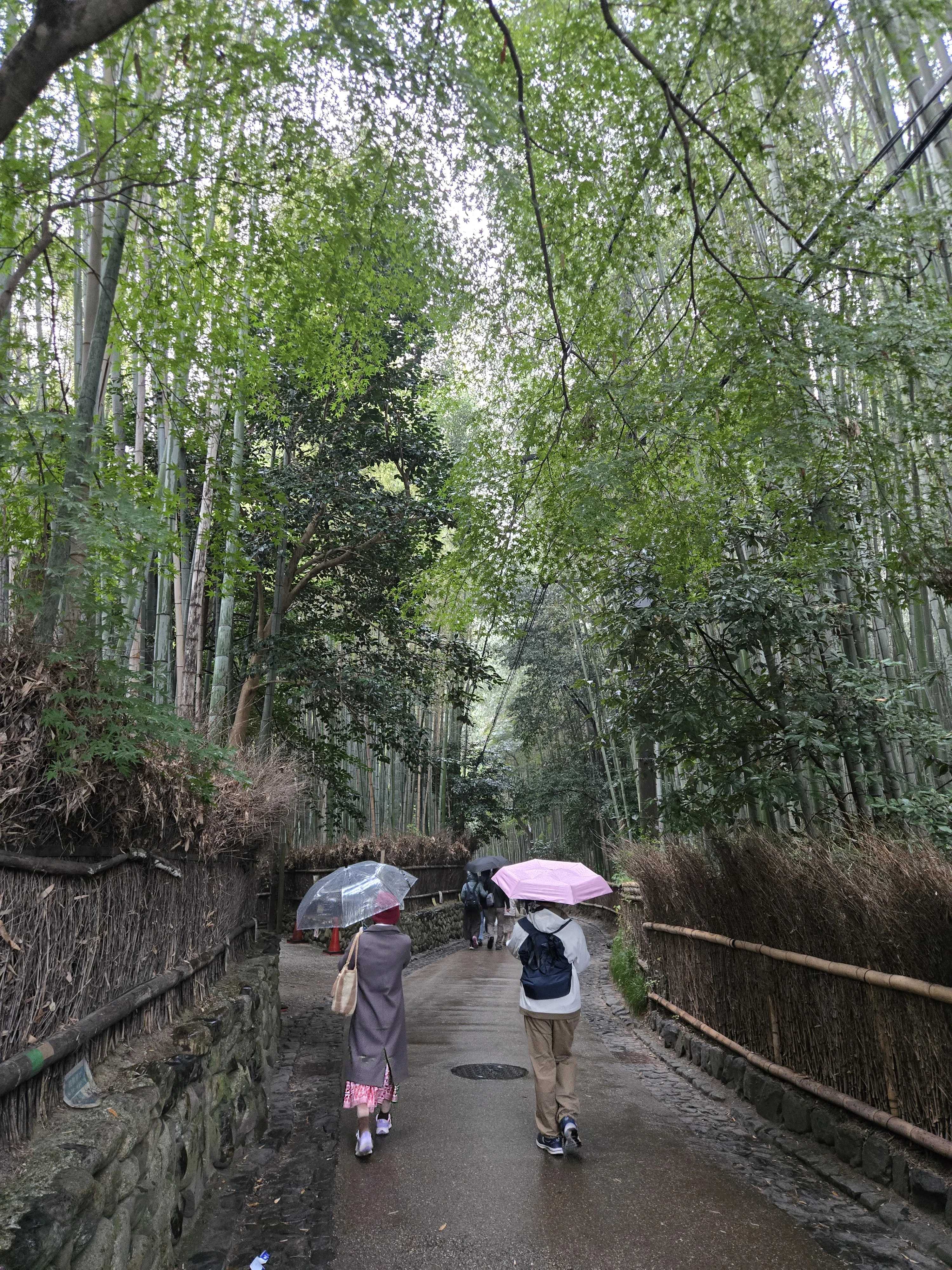
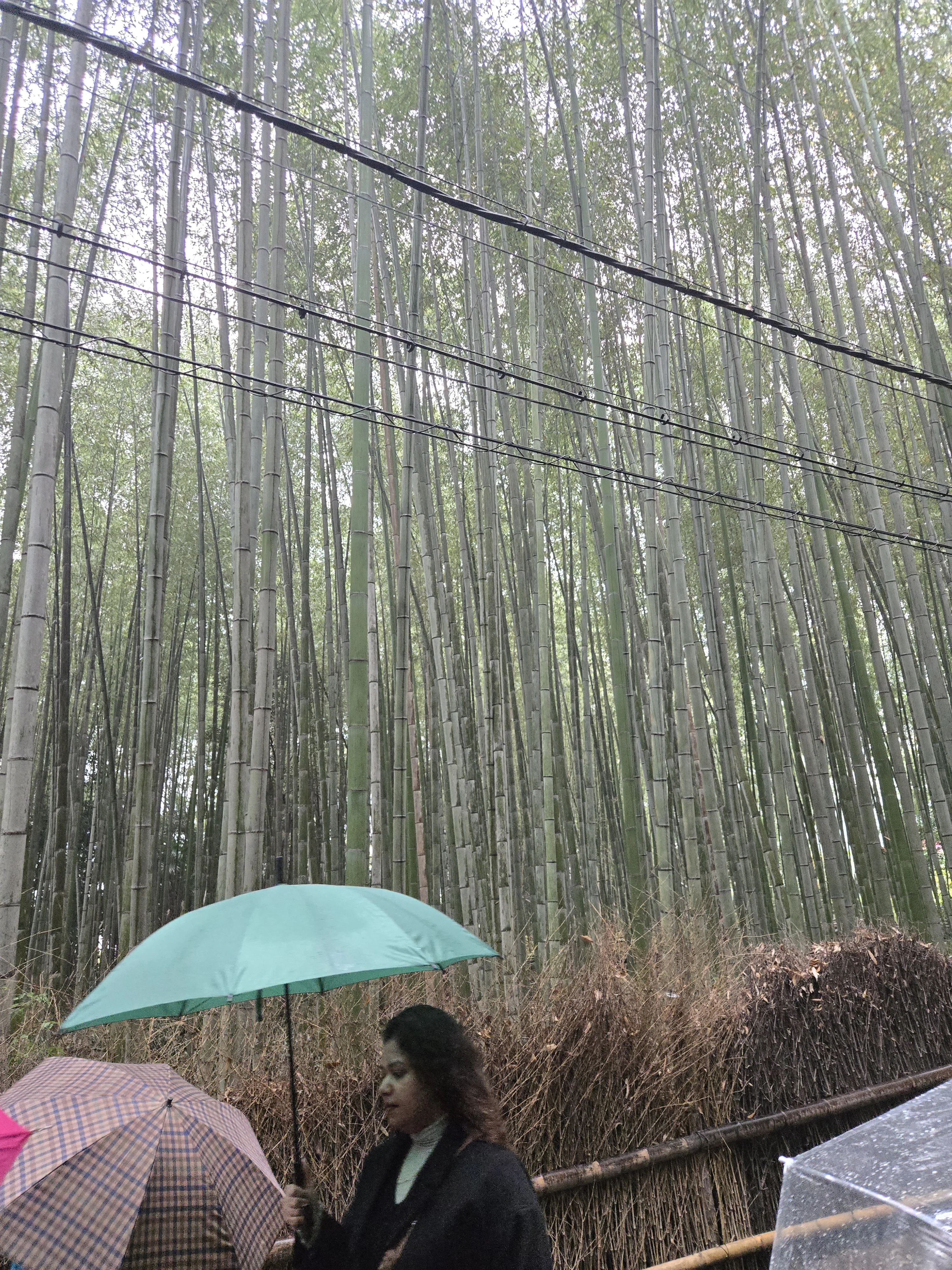
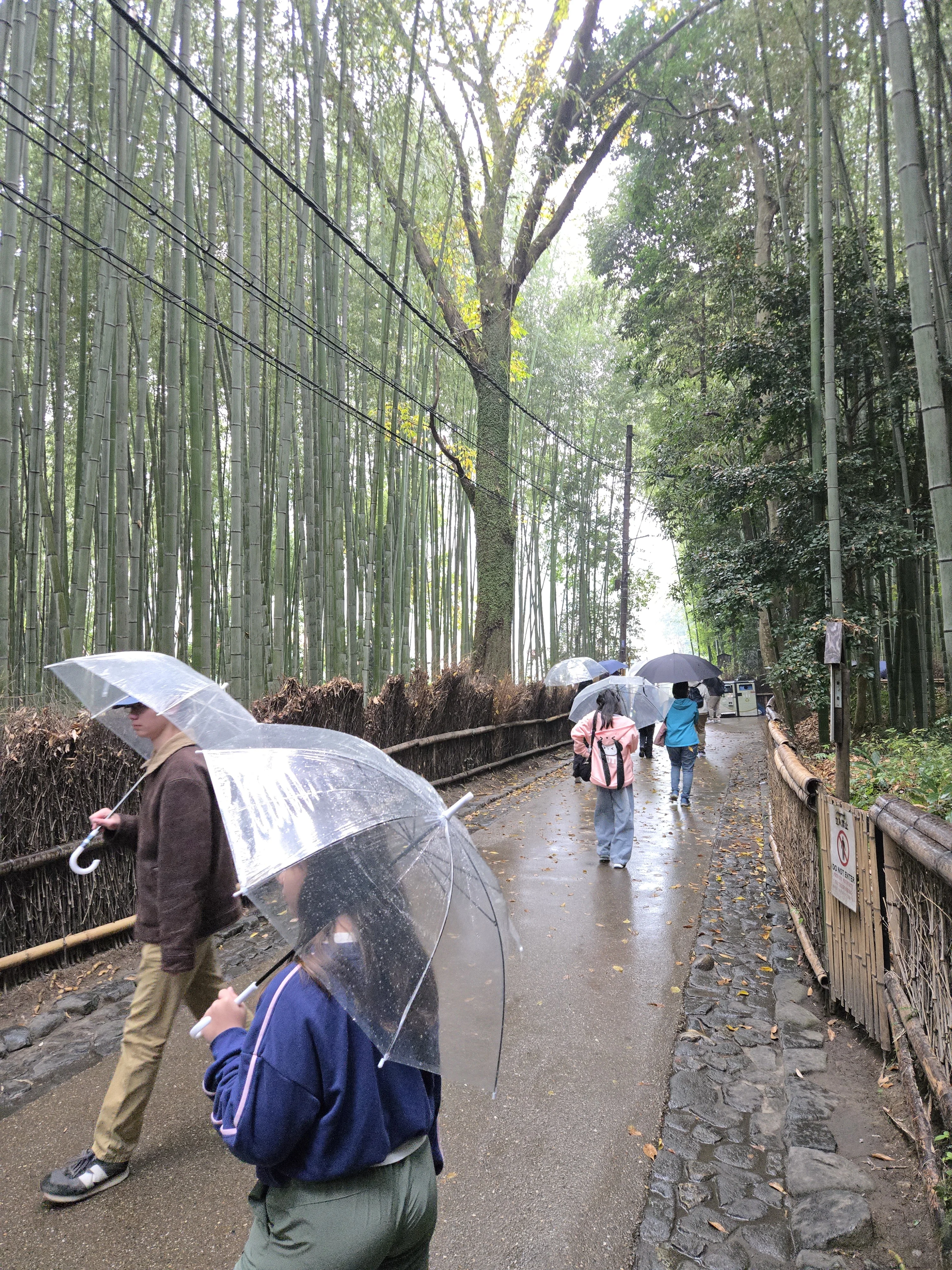
I did see green tape on some of the bamboo, I wander if it was covering graffiti damage?
There are lots of other pictures I didn't post of course. Lot's more from Tanzen, it was a nice day with sun and autumn colors, unlike yesterday's rain in Kyoto.
I did see green tape on some of the bamboo, I wander if it was covering graffiti damage?
There are lots of other pictures I didn't post of course. Lot's more from Tanzen, it was a nice day with sun and autumn colors, unlike yesterday's rain in Kyoto.
- 14 Mar 2002
- 21,050
- 18,903
- Thread starter
- #262
Brilliant imagery! Thanks for sharing. 
It seems Arashiyama wasn't so crowded. We had a recent thread about the graffiti there:
It seems Arashiyama wasn't so crowded. We had a recent thread about the graffiti there:

City officials in Kyoto are dealing with graffiti showing up again in the Arashiyama bamboo forest, a popular spot for visitors. An inspection turned up carvings on roughly 350 bamboo stalks along the path that cuts through the grove north of Tenryuji temple, a UNESCO World Heritage site.
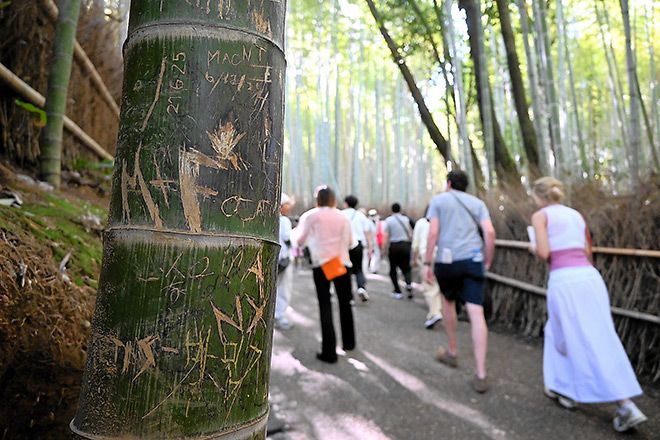
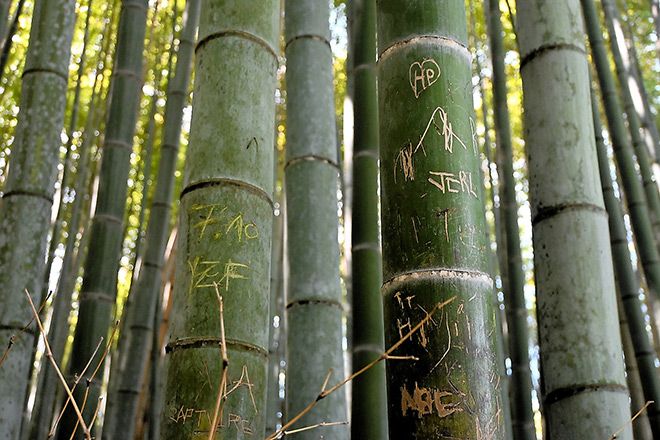
Most of what's been scratched into the bamboo is in Roman letters, though there's some Japanese, Chinese, and Hangul mixed in. City officials attribute the damage to the surge in tourism after COVID-19 restrictions lifted.
About half the grove belongs to the...
Most of what's been scratched into the bamboo is in Roman letters, though there's some Japanese, Chinese, and Hangul mixed in. City officials attribute the damage to the surge in tourism after COVID-19 restrictions lifted.
About half the grove belongs to the...
- thomas
- Replies: 34
- Forum: Travelling in Japan

- 3 Aug 2007
- 1,290
- 1,611
It wasn't crowded but it was raining so that probably contributed to the lack of people.Brilliant imagery! Thanks for sharing.
It seems Arashiyama wasn't so crowded. We had a recent thread about the graffiti there:
City officials in Kyoto are dealing with graffiti showing up again in the Arashiyama bamboo forest, a popular spot for visitors. An inspection turned up carvings on roughly 350 bamboo stalks along the path that cuts through the grove north of Tenryuji temple, a UNESCO World Heritage site.
Most of what's been scratched into the bamboo is in Roman letters, though there's some Japanese, Chinese, and Hangul mixed in. City officials attribute the damage to the surge in tourism after COVID-19 restrictions lifted.
About half the grove belongs to the...
- thomas
- Replies: 34
- Forum: Travelling in Japan
Lots of people at Fushimi Inari after that and it was still raining so maybe that wasn't the reason .


This might be the first time that I noticed the wires and poles running along the path there. Is that new, or has it always been that way?Arashiyama Bamboo Grove - Kyoto
- 3 Aug 2007
- 1,290
- 1,611
It was the first time I have been there, I think, so I don't know .This might be the first time that I noticed the wires and poles running along the path there. Is that new, or has it always been that way?

- 14 Mar 2002
- 21,050
- 18,903
- Thread starter
- #269
Wonderfully seasonal photos and some outstanding nihonshu there, thanks!
Nothing particular, just an iPhone shot from today's morning dog walk. This belongs to a temple just 100 metres from our doorstep. The stairs are part of a daily exercise routine for our 11-year-old sempai wanchan (and his walker).
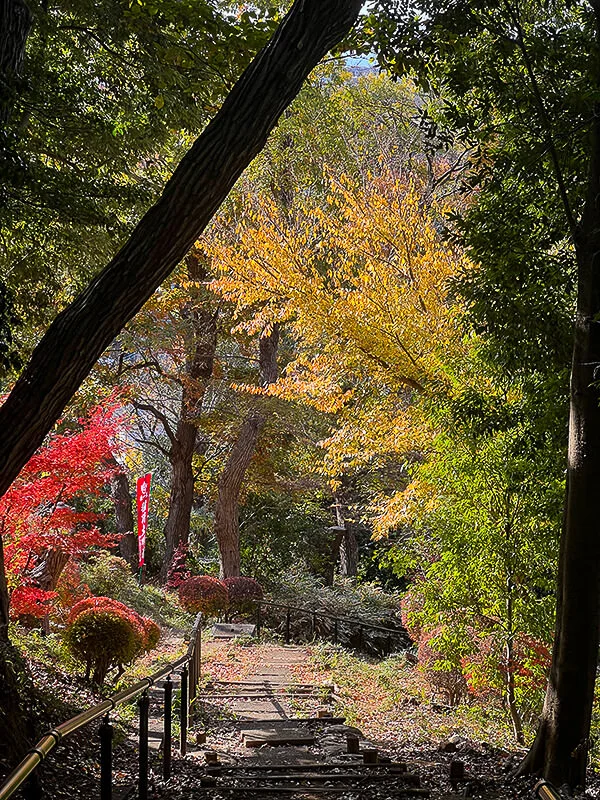
Nothing particular, just an iPhone shot from today's morning dog walk. This belongs to a temple just 100 metres from our doorstep. The stairs are part of a daily exercise routine for our 11-year-old sempai wanchan (and his walker).

- 4 Sep 2015
- 2,306
- 1,906
Yagano ?
- 14 Mar 2002
- 21,050
- 18,903
- Thread starter
- #275
The Guardian featured photos by Lee Chapman:

 www.theguardian.com
Lee Chapman's photographs document the scenes, signage and family businesses of the postwar Shōwa era Japan. They focus on a unique aspect of Japanese life, and one that in Tokyo in particular is rapidly disappearing: the buildings are long past their natural lifespans, and their occupants are reaching the end of theirs. With most of the country's new buildings resembling those seen in many other cities around the world, the Shōwa era is now being recognised as visually appealing as well as an essential period.
The fading of Japan’s Shōwa era – in pictures
Lee Chapman’s photographs document the scenes, signages and family businesses in Japan from the postwar Shōwa era as they rapidly disappear
