


- 14 Mar 2002
- 21,050
- 18,904
I didn't know they were still around: Tamagotchi. According to Bandai, the globally popular virtual "pocket pet" game has shipped more than 100 million units worldwide as of August, three decades after its release.
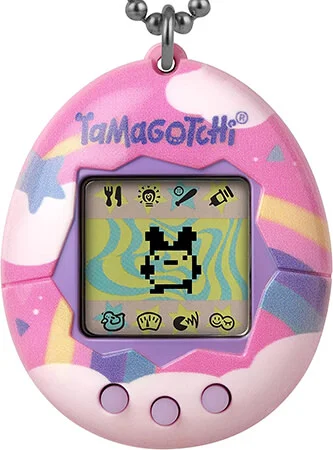 Tamagotchi (たまごっち) were first released in 1996 by Bandai, at a time when Japan was at the forefront of combining digital technology with playful, everyday products. The name itself is a blend of tamago (たまご, meaning "egg") and a cute diminutive suffix -cchi, evoking a small, pet-like creature. The toy came in a pocket-sized, egg-shaped case with just three buttons, but it captured the imagination of an entire generation.
In cultural terms, Tamagotchi reflected a uniquely Japanese blend of technology and emotional connection. Japan in the 1990s was pioneering the idea of portable, personal electronics—think Walkmans, Game Boys, and the rise of mobile phones. Tamagotchi took this further by introducing a digital life form that relied on its owner's care, almost like a modern reinterpretation of traditional Japanese values of responsibility and omoiyari (思いやり, empathy or consideration for others).
They also tapped into the kawaii (かわいい, "cute") aesthetic that dominated Japanese pop culture. The characters were intentionally simple, soft-edged, and childlike, making them easy to bond with. For many children, caring for a Tamagotchi was their first experience of responsibility, even if it was only for a pixelated pet.
Because the device was small and portable, it fit perfectly into the busy, urban lifestyle of Japan in the 1990s. Kids could carry them to school (sometimes to the frustration of teachers). At the same time, adults found them amusing or endearing as a little distraction from daily routines. When Tamagotchis spread abroad, they became not just toys but cultural ambassadors of Japan's talent for turning playful innovation into worldwide trends—much like Pokémon around the same time.
The toy has been released in around 50 countries and regions, with a total of 37 different models. This year, it has entered its fourth major boom, fuelled by a wave of nostalgia among people who grew up with it. Tamagotchi is a small, egg-shaped handheld game in which players raise a digital creature that hatches from an egg, while its appearance and development change according to the way its owner cares for it. The very first Tamagotchi hit store shelves in November 1996, instantly igniting a nationwide craze among Japanese teenagers. Shops were overwhelmed with long queues, and the toy sold out in just minutes.
From 1997, the phenomenon spread overseas to markets such as the United States, turning Tamagotchi into a global pop culture icon. Its popularity has since returned in waves. The second big boom came in 2004, when new versions introduced infrared communication, allowing Tamagotchis to "connect" and interact. A third surge followed in 2008, after the release of models featuring colour screens. Now, in 2025, Tamagotchi fever has resurfaced with the July launch of its 37th model, "Tamagotchi Paradise," which has struck a chord with nostalgia.

 tamagotchi-official.com

 retrododo.com
What are Tamagotchi?
In cultural terms, Tamagotchi reflected a uniquely Japanese blend of technology and emotional connection. Japan in the 1990s was pioneering the idea of portable, personal electronics—think Walkmans, Game Boys, and the rise of mobile phones. Tamagotchi took this further by introducing a digital life form that relied on its owner's care, almost like a modern reinterpretation of traditional Japanese values of responsibility and omoiyari (思いやり, empathy or consideration for others).
They also tapped into the kawaii (かわいい, "cute") aesthetic that dominated Japanese pop culture. The characters were intentionally simple, soft-edged, and childlike, making them easy to bond with. For many children, caring for a Tamagotchi was their first experience of responsibility, even if it was only for a pixelated pet.
Because the device was small and portable, it fit perfectly into the busy, urban lifestyle of Japan in the 1990s. Kids could carry them to school (sometimes to the frustration of teachers). At the same time, adults found them amusing or endearing as a little distraction from daily routines. When Tamagotchis spread abroad, they became not just toys but cultural ambassadors of Japan's talent for turning playful innovation into worldwide trends—much like Pokémon around the same time.
The toy has been released in around 50 countries and regions, with a total of 37 different models. This year, it has entered its fourth major boom, fuelled by a wave of nostalgia among people who grew up with it. Tamagotchi is a small, egg-shaped handheld game in which players raise a digital creature that hatches from an egg, while its appearance and development change according to the way its owner cares for it. The very first Tamagotchi hit store shelves in November 1996, instantly igniting a nationwide craze among Japanese teenagers. Shops were overwhelmed with long queues, and the toy sold out in just minutes.
From 1997, the phenomenon spread overseas to markets such as the United States, turning Tamagotchi into a global pop culture icon. Its popularity has since returned in waves. The second big boom came in 2004, when new versions introduced infrared communication, allowing Tamagotchis to "connect" and interact. A third surge followed in 2008, after the release of models featuring colour screens. Now, in 2025, Tamagotchi fever has resurfaced with the July launch of its 37th model, "Tamagotchi Paradise," which has struck a chord with nostalgia.
Links:
Official Tamagotchi Site
This is the official Tamagotchi site. Check out Tamagotchi products and characters, and the latest news.
The History Of Tamagotchi
It's time to get nostalgic as take a look at one of the most iconic toys of the 90s and delve into the history of Tamagotchi!
retrododo.com


