


- 14 Mar 2002
- 21,050
- 18,903
Fishing communities across Japan are shifting their focus to tourism to supplement their incomes. Some fishermen now offer sightseeing cruises on their boats during off-hours, while others showcase attractions on land to draw in visitors. These efforts are being encouraged by the government under the umbrella of "umigyo" (海業). This term broadly refers to new industries that utilise marine resources beyond traditional fishing.
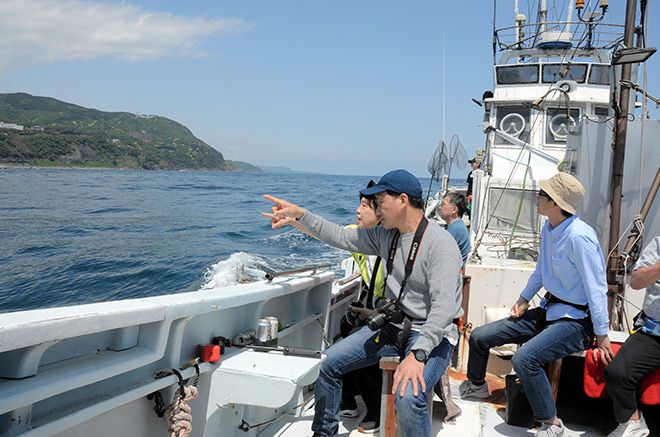
Inatori Port in Higashi-Izu, Shizuoka Prefecture (via Asahi)
Japan's total seafood production dropped below 4 million metric tons in 2022, a steep decline from the peak harvests of the 1980s, when catches were more than three times higher. The average annual income for private fishing vessels has stagnated between 2 million and 3 million yen (~$14,000 to $21,000). In addition to all that, the country's fishing population continues to decline and age.
Planned umigyo projects:
Inatori Port in Higashi-Izu, Shizuoka Prefecture (via Asahi)
Japan's total seafood production dropped below 4 million metric tons in 2022, a steep decline from the peak harvests of the 1980s, when catches were more than three times higher. The average annual income for private fishing vessels has stagnated between 2 million and 3 million yen (~$14,000 to $21,000). In addition to all that, the country's fishing population continues to decline and age.
Inatori Port in Higashi-Izu, Shizuoka Prefecture, renowned for its catches of "kinmedai," is one of the many areas around Japan experiencing dwindling catches. Kinmedai are usually caught in the early morning hours. Kinmedai (金目鯛)—literally "golden eye sea bream"—is the Japanese name for the splendid alfonsino (Beryx splendens), a deep-sea fish prized in Japanese cuisine. Despite its name, it is not a true sea bream (鯛 tai) but is included among tai-labelled fish in Japan due to its premium status and desirable flavour. But on one afternoon in early May, the Inari Maru fishing boat with a gross tonnage of 12 tons left Inatori Port. [...] The Inari Maru has so far given rides to more than 1,000 tourists. Earnings from the cruises now match about one-third of the revenue gained from fishing.
Planned umigyo projects:
- Tours to an inland plant for sea urchin aquaculture and hands-on experiences in sea urchin processing (Kamoenai Fishing Port in Kamoenai, Hokkaido )
- A glamping complex that draws on the availability of seafood and scenery (Himi Fishing Port in Himi, Toyama Prefecture)
- Hands-on experiences in beach seine fishery for students on school excursions (Tomiura Fishing Port in Minami-Boso, Chiba Prefecture)
- Tours to a market, mock bidding experiences, and a salon for talking to fishermen (Ohama Fishing Port in Toba, Mie Prefecture )
- Hands-on experiences in maintaining forests with fishermen (Miura Bay fishing port in Tsushima, Nagasaki Prefecture)


 We did see a rare sea eagle and a curious, slightly sub-ocean rock outcrop that caused waves to break way out in the ocean and there were lots of seabirds and a few seals hanging around it, but being nauseated is so distracting and debilitating (as NASA worried about in their early days) it was not worth the suffering.


 Spain—-> Torquay in England. That doesn't fulfill my armchair criteria!


