


- 14 Mar 2002
- 21,050
- 18,903
While sentō (銭湯), traditional Japanese bathhouses, have seen a steady decline over the years, many younger operators try to adapt to changing times and modernise by introducing new concepts.
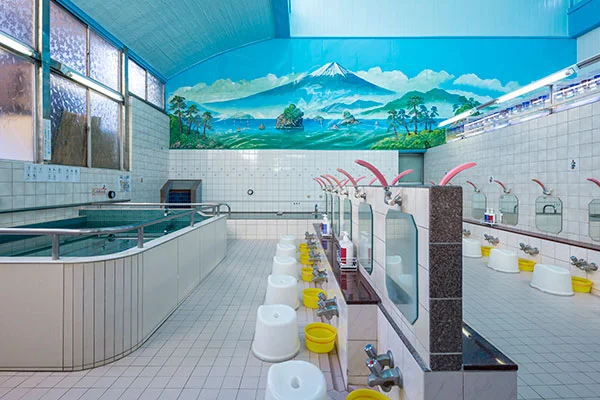
Photo credit: Daikoku-yu
When Tokuji Ito left his position as an oil merchant to manage his family's traditional bathhouse, he was uncertain about the establishment's future. The bathhouse, located in a less accessible part of western Tokyo, was deteriorating and losing patrons due to the declining popularity of public baths, known as sento. Sento, which historically catered to individuals without home baths, features gender-segregated areas for thorough cleansing before soaking in baths with varying temperatures. However, shifts in societal habits, particularly the adoption of home bathing facilities, have severely impacted the sento industry, leading to the closure of one Tokyo sento every two weeks. In 2016, Ito, at the age of 56, took over the management of Daini Takara-yu, a sento founded by his grandfather. Like many others, the sento's name is inspired by auspicious concepts such as treasure, prosperity, dawn, and camaraderie.
At their peak in 1968, there were 18,000 throughout Japan, compared with about 2,000 now. Tokyo has 435 and loses about 30 annually despite amenities such as whirlpool baths and landscaped outdoor baths. Saunas, though, are driving a small spike in popularity.
However, modernisation comes at a price:
Paywall alert:

 asia.nikkei.com

 jref.com
 suginami1010.com
Photo credit: Daikoku-yu
When Tokuji Ito left his position as an oil merchant to manage his family's traditional bathhouse, he was uncertain about the establishment's future. The bathhouse, located in a less accessible part of western Tokyo, was deteriorating and losing patrons due to the declining popularity of public baths, known as sento. Sento, which historically catered to individuals without home baths, features gender-segregated areas for thorough cleansing before soaking in baths with varying temperatures. However, shifts in societal habits, particularly the adoption of home bathing facilities, have severely impacted the sento industry, leading to the closure of one Tokyo sento every two weeks. In 2016, Ito, at the age of 56, took over the management of Daini Takara-yu, a sento founded by his grandfather. Like many others, the sento's name is inspired by auspicious concepts such as treasure, prosperity, dawn, and camaraderie.
For Ito, that meant focusing first on the basics: keeping the baths spotlessly clean, installing new lighting to improve the atmosphere in the changing rooms, and paying scrupulous attention to water temperature -- "just a little on the hot side" -- for the perfect bathing experience. Most sento feature a mural on the wall over the baths. But Ito decided to add one in the lobby, traditionally a simple area where bathers rest, watch TV and have a cold drink, usually milk -- although Ito also provides craft beer. The resulting panorama of Mount Fuji with blooming cherries was sufficiently unusual to draw customers, allowing him to carry out a major renovation in 2019. Now the lobby is sleekly wooded and dimly lit, the outside suggestive of a club or stylish restaurant. Tai chi classes are offered twice a month, in the men's changing area. And a row of rubber ducks lines the counter at the front where people pay their 520 JPY (USD 3.31) for entry -- a price set by the Tokyo Metropolitan Government. "We had a steady increase in customers; things are on track now," said Ito, who aims for a mix of classic and modern. "But I think that to remain, we'll have to change even further. What's modern changes as time goes by."
At their peak in 1968, there were 18,000 throughout Japan, compared with about 2,000 now. Tokyo has 435 and loses about 30 annually despite amenities such as whirlpool baths and landscaped outdoor baths. Saunas, though, are driving a small spike in popularity.
However, modernisation comes at a price:
Whether these efforts will keep the tradition alive remains unknown. Daisuke Iwasaki, 43, who took over a sento run by his parents two years ago, said places like Shimbo's, where people line up, may still be an exception. Once famous for a model railway in the lobby and 18 resident cats, his sento, Tomono-yu (Bath of Friends), was renovated to make the lobby an open, bright room. Paintings of the cats now adorn the walls over the baths, and the renovated sauna is attracting attention, partly with advertising inviting people to "test your strength" against its heat. But it will take some 35 years to repay all the loans the sento has taken on, including for the renovation. "I'll take it as far as I can," Iwasaki said.
Paywall alert:
New life flows into Japan's bathhouse culture
Younger generation of owners looks to modernization to reverse decline
asia.nikkei.com
Links:
Daikokuyu Sento
Located in the Honjo quarter in Sumida Ward, close to the Sumida River, Daikokuyu is a sento (Japanese public bath) with a large variety of hot tubs and saunas to share with your family and friends. Established in 1949, it is a 10-minute walk from...
jref.com
第二宝湯(だいにたからゆ) - すぎなみ銭湯 -杉並浴場組合公式サイト-
女性も楽しいキレイで気持ちいい銭湯「第二宝湯」 昭和24年に開業、昭和53年に現在の建物に建替えた「第二宝湯」
suginami1010.com


