- 14 Mar 2002
- 21,050
- 18,903
- Thread starter
- #26
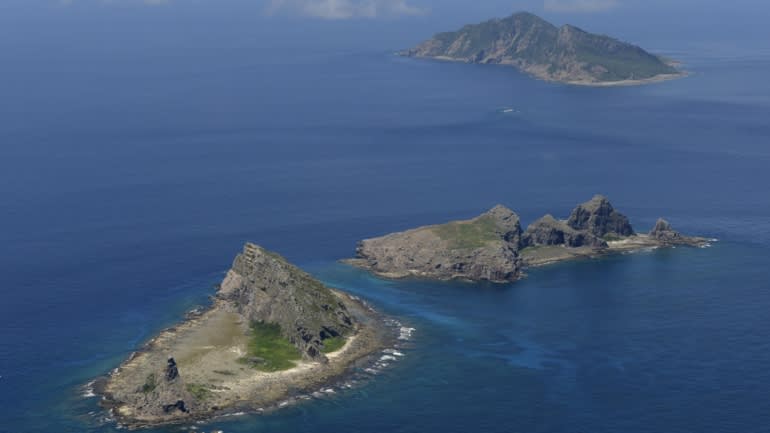
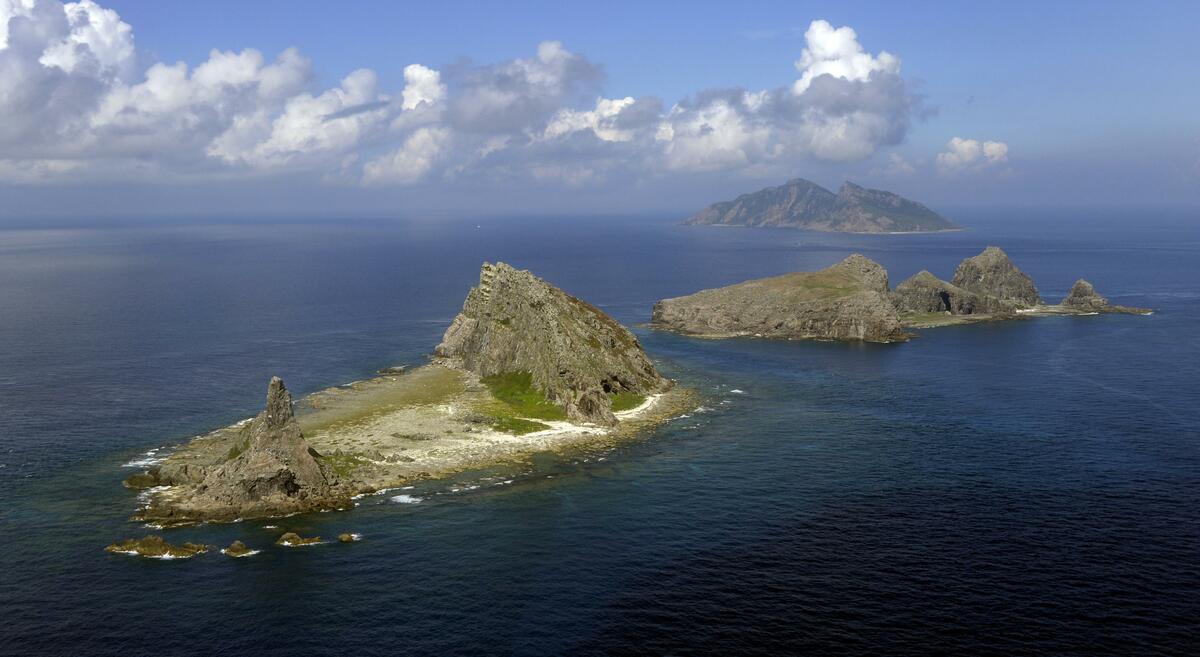
According to Japanese diplomatic documents declassified on Wednesday, Tokyo secretly asked Beijing not to make territorial claims to the Japan-controlled Senkaku Islands in the East China Sea to avoid friction ahead of the Japanese emperor's visit to China in 1992. Then Japanese Ambassador to China Hiroshi Hashimoto asked influential Chinese officials to refrain from publicly speaking about the issue of the uninhabited islets and historical disputes, in line with a secret order from then Prime Minister Kiichi Miyazawa in April 1992, the Foreign Ministry's records showed. The visit, which Beijing had repeatedly requested, was made by then-Emperor Akihito in October of that year, marking the 20th anniversary of the normalization of diplomatic ties in 1972.
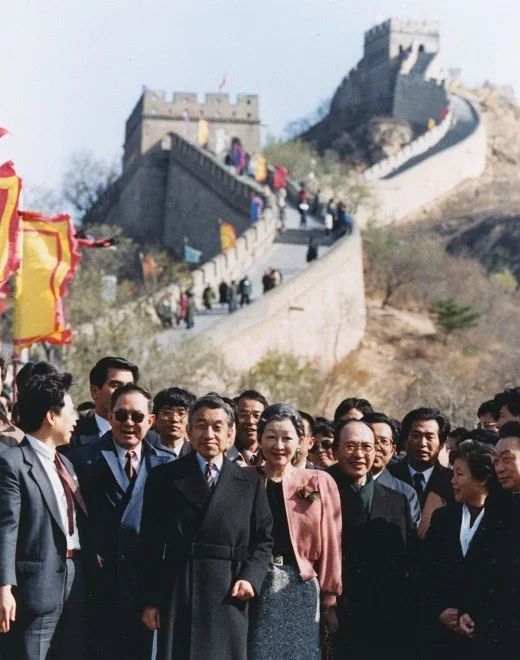
Some Chinese leaders, such as then-Premier Wen Jiabao and then-Communist Party chief Jiang Zemin, agreed to work with Japan and tone down their rhetoric. They also repeatedly requested an imperial visit, which they saw as a gesture of goodwill and respect from Japan. China began to restrain itself from making confrontational remarks or moves regarding the islands.
Sakutaro Tanino, then-head of the Japanese Foreign Ministry's Asian affairs bureau, said in an interview with Kyodo News that "every time Chinese VIPs came, they made a request" for an imperial visit. "So, we thought that someday we had to realize it," Tanino said, adding that he felt relieved that the trip was generally viewed as a success.
However, not everyone was happy with the emperor's visit and its consequences. According to Yusuke Anami, a professor at Tohoku University and an expert on modern Chinese history, it might have been better for Japan to cancel the emperor's visit, as it resulted in Japanese diplomats "trivializing" the Senkaku issue at a time when China was trying to change the status quo by enacting the territorial waters law, which claimed sovereignty over the islands.
Anami also pointed out that Western nations' tough stance on China after a 1989 military crackdown on a pro-democracy movement in Beijing's Tiananmen Square softened following the emperor's trip, smoothing the way for China's economic growth and military buildup. He argued that the emperor's visit did not serve Japan's national interest, as it weakened the international pressure on China and allowed it to expand its power and influence.

 www.scmp.com
Paywall alert:

 asia.nikkei.com
The enactment of a new Chinese law on territorial waters and adjacent waters in February 1992, which first declared the Senkaku Islands as China's territory, reignited war-related disputes with Tokyo and further worsened public sentiment in Japan toward China. Still, Japan was keen to respond to China's request for an imperial visit as it supported Beijing's "reform and opening-up" policy, which Tokyo hoped would lead to the democratization of the Communist-led country. According to the documents, Hashimoto, on a visit back to Japan, proposed that he urge Beijing not to take up issues that could provoke negative sentiment among the Japanese public.
Some Chinese leaders, such as then-Premier Wen Jiabao and then-Communist Party chief Jiang Zemin, agreed to work with Japan and tone down their rhetoric. They also repeatedly requested an imperial visit, which they saw as a gesture of goodwill and respect from Japan. China began to restrain itself from making confrontational remarks or moves regarding the islands.
Sakutaro Tanino, then-head of the Japanese Foreign Ministry's Asian affairs bureau, said in an interview with Kyodo News that "every time Chinese VIPs came, they made a request" for an imperial visit. "So, we thought that someday we had to realize it," Tanino said, adding that he felt relieved that the trip was generally viewed as a success.
However, not everyone was happy with the emperor's visit and its consequences. According to Yusuke Anami, a professor at Tohoku University and an expert on modern Chinese history, it might have been better for Japan to cancel the emperor's visit, as it resulted in Japanese diplomats "trivializing" the Senkaku issue at a time when China was trying to change the status quo by enacting the territorial waters law, which claimed sovereignty over the islands.
Anami also pointed out that Western nations' tough stance on China after a 1989 military crackdown on a pro-democracy movement in Beijing's Tiananmen Square softened following the emperor's trip, smoothing the way for China's economic growth and military buildup. He argued that the emperor's visit did not serve Japan's national interest, as it weakened the international pressure on China and allowed it to expand its power and influence.
Japan secretly asked China to drop Diaoyus claim before 1992 royal visit
Declassified documents showed Tokyo urged Chinese officials to refrain from publicly speaking about the disputed islands to avoid causing rift among the Japanese public.
www.scmp.com
Paywall alert:
Japan asked China to shelve Senkaku claim before emperor's 1992 visit
Declassified documents reveal rare evidence of hidden diplomacy
asia.nikkei.com