


- 14 Mar 2002
- 21,050
- 18,903
Wagashi (和菓子) is a traditional Japanese confection often served with green tea, especially the type made of mochi, anko (azuki bean paste), and fruit. "Neo wagashi," a modern twist on traditional Japanese sweets, is gaining popularity with its photogenic appearance suited for today's social media era. Long-established shops and even convenience stores now offer neo wagashi that break from traditional methods, ingredients, and shapes to attract new customers.
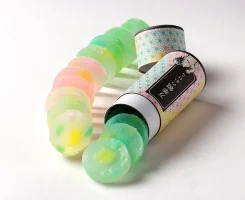
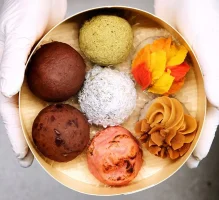

Sales, which had been strong during the bubble economy from the 1980s to the early 1990s due to corporate demand, were on a downward spiral. [...] In November, the shop Takeno to Ohagi, with two locations in Tokyo's Setagaya and Meguro wards, showcased a circular bento box containing seven varieties of "ohagi" (sticky rice balls coated with sweet red bean paste), each capturing the essence of autumn. In addition to the standard "koshi-an" (pureed sweet red-bean paste) and "tsubu-an" (mushed sweet red-bean paste), there are daily special ohagi inspired by seasons, the weather and new encounters. With its visually appealing ohagi, the shop has 178,000 Instagram followers so far, drawing fans nationwide. Hiroki Ogawa, who previously ran a delicatessen, started the shop in 2016. [...] Meanwhile, leading convenience store chain Lawson Inc. began selling a bright blue "ramune mochi" (soda rice cake) six years ago with the aim of "making wagashi more accessible to younger generations." [...] "Wagashi was long dominated by established, traditional shops," she said. "But since anyone can share their creations through social media, attention has also turned to unique confectioners." The beauty of traditional sweets, such as "kohakuto" (candy crystals) created during the Edo Period (1603-1867), are also regaining the spotlight.


