Economy Japanese hot springs and bath houses severely affected by fuel costs

thomas

Unswerving cyclist
Admin
Joined
14 Mar 2002
Messages
21,054
Reaction score
18,908
The NYT with a special feature on Japanese bathhouses, which are severely affected by rising fuel prices.
Japanese hot springs and bath houses severely affected by fuel costs

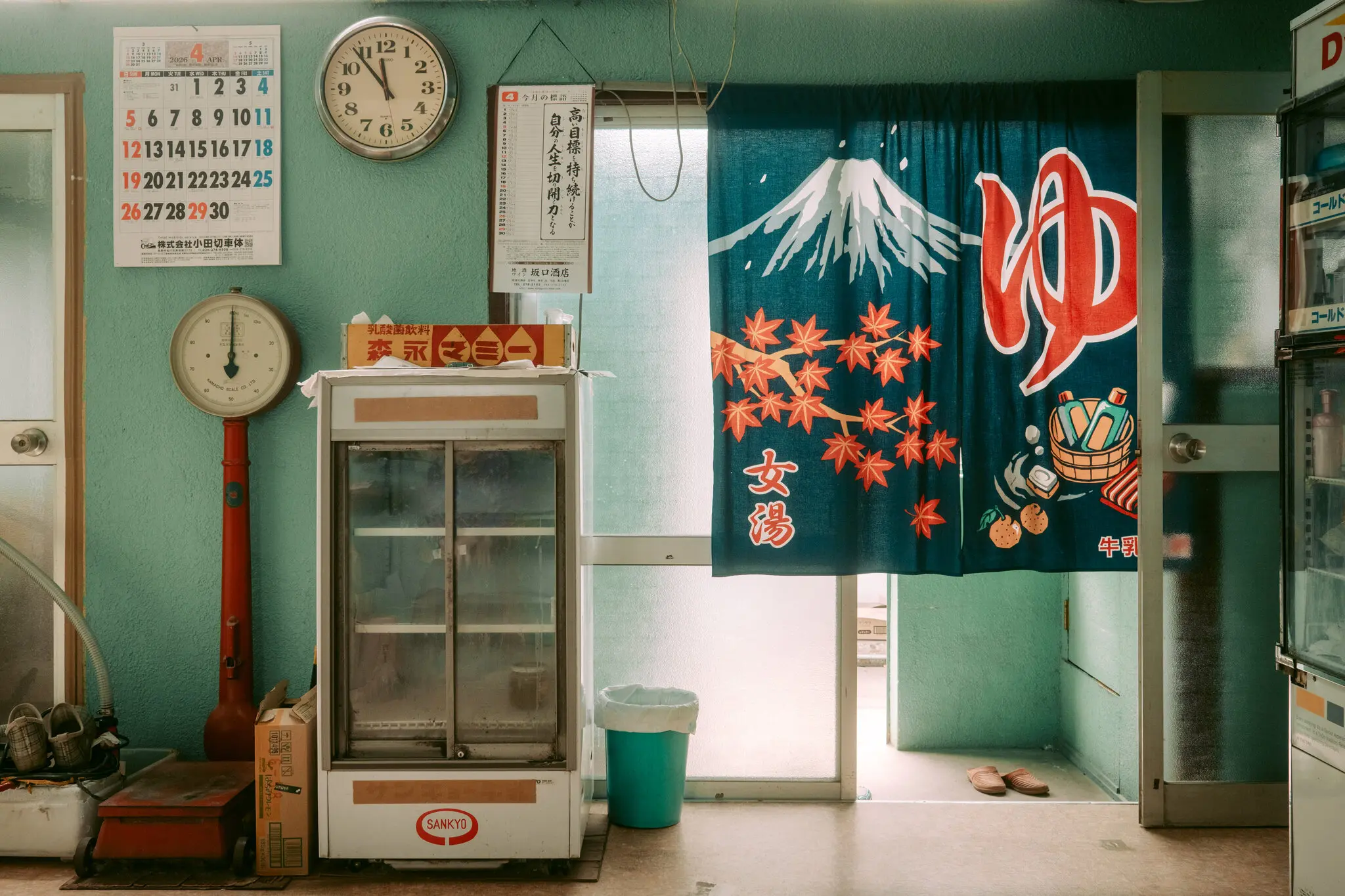
For nearly a millennium, sento have served as a social anchor in Japanese life. In these neighbourhood facilities — often marked by signature indigo curtains adorned with the Japanese character "yu," meaning "hot water" — residents pay a few dollars to scrub down and soak in shared tubs. But the industry has dwindled in recent decades, thinned by a chronic shortage of successors, an increase in private baths in new homes and competition from modern, amenity-filled spas. Now, rising fuel costs threaten to push the few remaining operators to the brink.

Ms Kodama has run her family's bathhouse for more than six decades. Every day at 1 p.m., she shuffles down a narrow, paved alleyway to the boiler room to light the furnace. By 2 p.m., she is at the taps, filling the communal tubs. By 3 p.m., when the water has cooled to just over 104 degrees, her customers begin to arrive. Ms Kodama said she had never faced such strain. "It's worse than the oil shock," she said, referring to the 1973 energy crisis, when an Arab-led oil embargo sent prices skyrocketing and changed how much of the world consumed energy.

Gift article:


The media have been reporting on this issue for weeks.

Gunma onsen closed:

Japan's bathhouses struggling:


I thought the energy to heat the water in an onsen was geothermal?

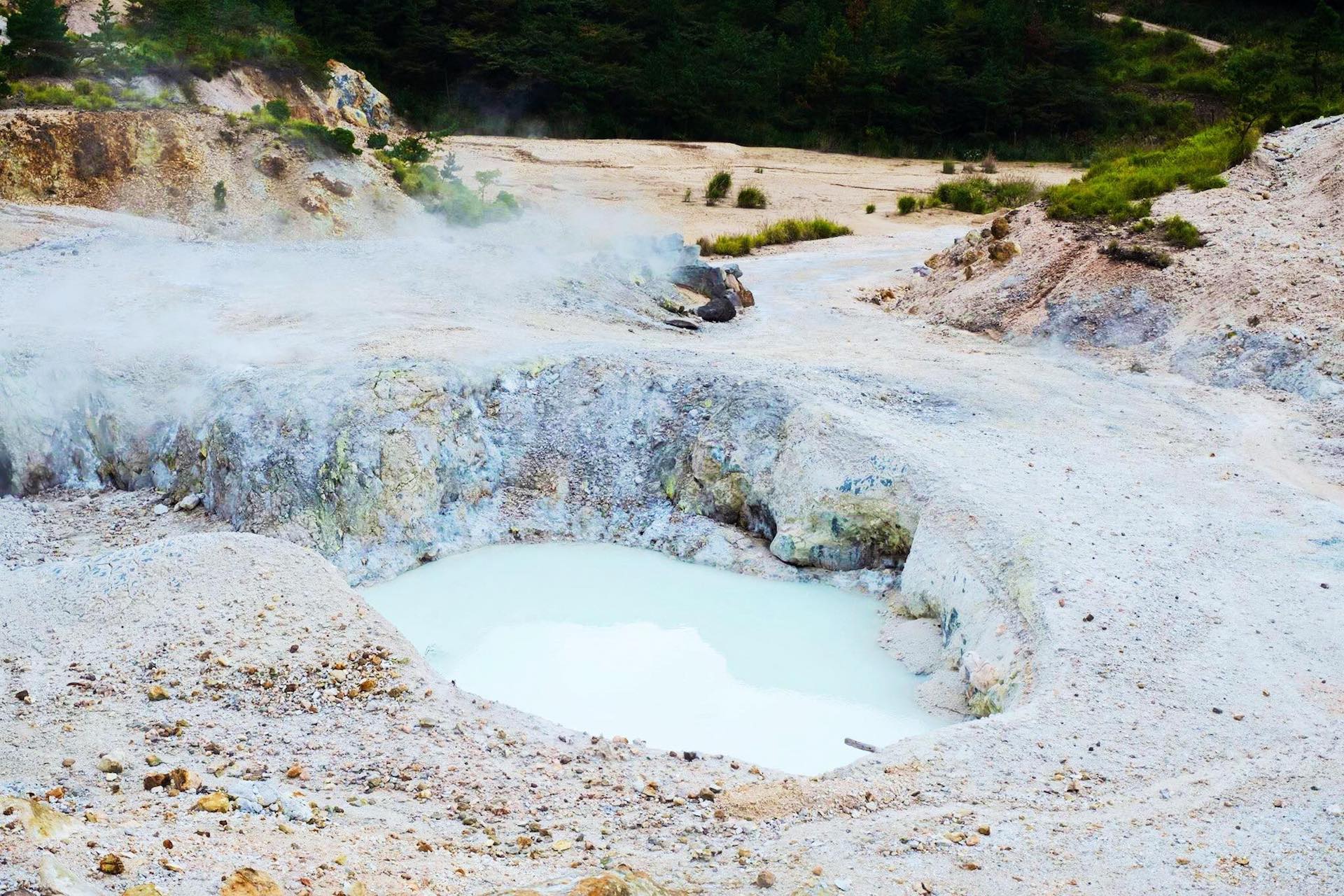
It is, but only the heat source is geothermal. The term "onsen" refers to the origin of the water, not how the hot spring is run. Hot springs often circulate, filter, or reuse the water. It might also be too hot, not hot enough, or insufficient in amount to fill the baths, so the temperature has to be adjusted, and the flow regulated. Therefore, some onsen use extra fuel or electricity to keep a steady temperature. Pumps and cleaning systems also need power.

Much better explained here: 👇


About Japan's hot spring systems: free-flowing (gensen kakenagashi), circulating onsen, and artificial onsen.

1. Free-Flowing Hot Spring (Gensen Kakenagashi)
A free-flowing hot spring (gensen kakenagashi) uses natural hot spring water directly from the source without recycling it.
Fresh water continuously flows into the bath
Used water is drained and not reused
No (or minimal) filtration or reheating
Often considered the most "authentic" hot spring experience
This type is valued for its purity, natural minerals, and constant renewal of water.

2. Circulating Hot Spring (Junkan Onsen)
A circulating hot spring reuses the bath water after treating it.
Water is filtered, disinfected, and reheated
The same water is circulated through the system
Maintains consistent temperature and cleanliness
Common in large hotels and urban facilities
While it is more efficient and hygienic, some people feel it is less "natural" than free-flowing systems.

3. Artificial Hot Spring (Jinkō Onsen)
An artificial hot spring does not use natural geothermal water.
Regular water is heated and sometimes enriched with minerals
Bath additives may imitate real hot spring components
Found in places without natural hot spring sources
These are convenient and can mimic certain effects (like relaxation or skin benefits), but they are not true natural hot springs.

Summary
Gensen kakenagashi: 100% natural, no reuse, highly valued
Junkan onsen: reused and treated water, efficient and common
Jinkō onsen: artificially created, available anywhere.

In addition, in Ōwakudani in Hakone, there is also a method where water is sprayed onto underground volcanic gases to artificially create natural hot spring water.
 
Public bathhouses (sento) have been widespread in Japan since the Edo period . Today, however, as most homes have their own baths, sento are gradually disappearing in rural areas.
However, Tokyo still has a large number of sento, and there are specific reasons for this.

Public bathhouses in Japan (called sento) play an important role during disasters. They are not just places to bathe, but can function as part of emergency infrastructure.

■ Role of Sento During Disasters
1. Maintaining Hygiene

When disasters like earthquakes or typhoons disrupt water and gas supplies, people cannot bathe at home.
Sento provide a way to stay clean, which helps prevent infections and health problems.
For example, after the Great East Japan Earthquake, bathhouses and temporary bathing facilities were used by evacuees to maintain hygiene.

2. Psychological Relief
Disasters cause stress, anxiety, and fatigue.
Taking a warm bath can:
Reduce stress
Improve sleep
Provide a sense of comfort
It also allows people to relax, even briefly, in difficult conditions.

3. Community Hub
Sento are traditionally places where local people gather.
During disasters, they can become spaces for:
Sharing information
Checking on each other's safety
Building mutual support
In this sense, they can function like small community centers.

4. Emergency Infrastructure
Some sento are equipped to operate even when utilities fail. They may have:
Access to well water
Boilers that run on alternative fuels (like wood or oil)
Backup power sources
In Tokyo, organizations such as the Tokyo Sento Association cooperate with local governments so that certain bathhouses can serve as emergency facilities.

■ Challenges
However, there are also issues:
The number of sento is decreasing
Many owners are aging
Facilities can be outdated
This raises concerns about future disaster preparedness.

■ Conclusion
Sento are more than cultural facilities. In times of disaster, they help support:
Hygiene
Mental health
Community connections
Basic infrastructure

They are a valuable but often overlooked part of urban resilience.
 
A report from Toyo University.
The inside of a sento boiler room.


A behind-the-scenes look at the opening preparations of the popular public bathhouse "Kotobukiyu" in Ueno, Tokyo.
"Sentō OL Yasuko" closely follows the morning opening routine at Kotobukiyu, one of the top sento in Tokyo.
The video reveals the preparations made to welcome customers, as well as the dedication and efforts behind running a popular bathhouse—offering a rare glimpse into the hidden side of a sento.
In Video 2, we introduce the various types of baths at Kotobukiyu and the attention to detail behind them.
We also go inside the "heart" of the bathhouse—an area not usually open to the public—to uncover the secrets behind its popularity.

 
Back
Top Bottom