Travel New express train link from Narita Airport to Tokyo Skytree to launch in 2028

thomas

Unswerving cyclist
Admin
Joined
14 Mar 2002
Messages
21,050
Reaction score
18,904
Keisei Electric Railway Co. plans to introduce new express services linking Narita Airport and Tokyo Skytree, cutting travel time to just over half an hour, as early as fiscal 2028, according to Takao Amano, company president.
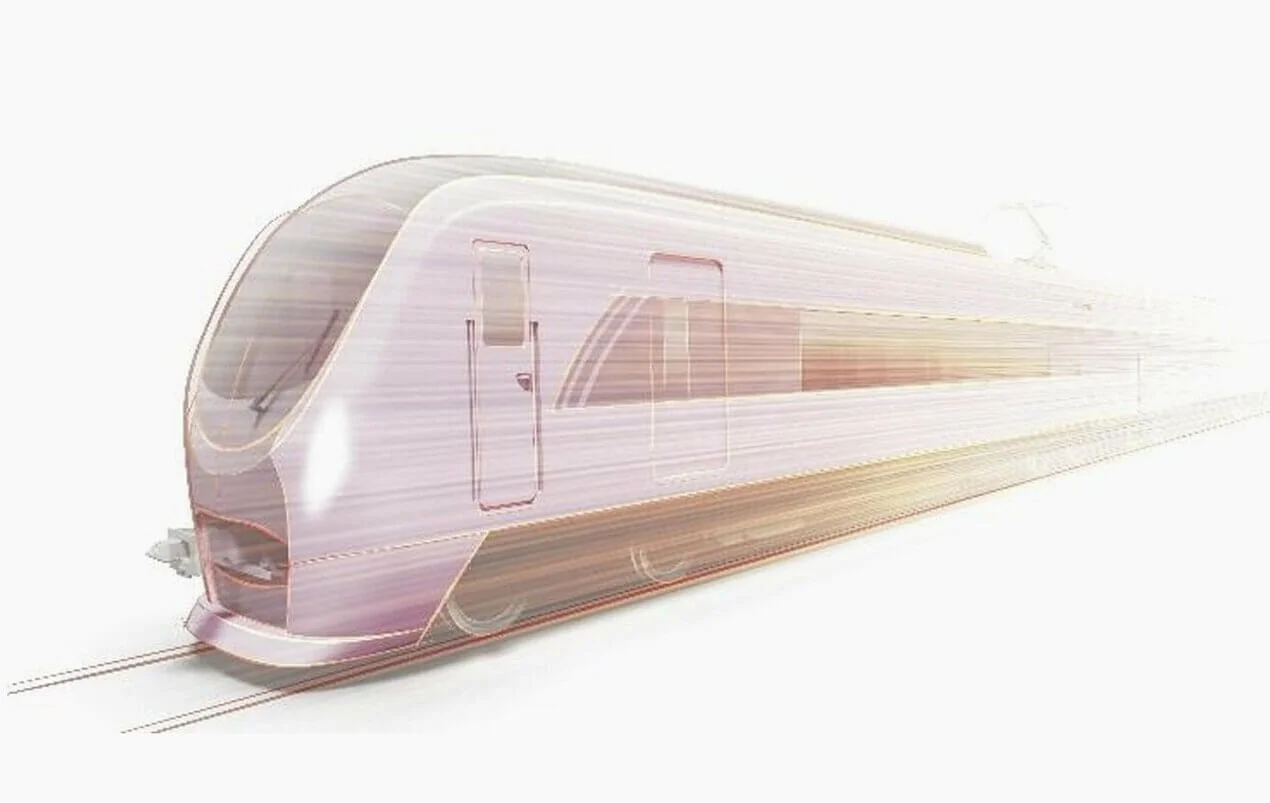
New express train link from Narita Airport to Tokyo Skytree to launch in 2028

Photo credit: Keisei Electric Railway Co.


Inbound tourism is expected to grow further with Narita Airport's expansion, and the new line will also enhance access to one of the capital's most popular landmarks. According to Amano, the direct trains will reduce the current 45-minute journey to the company's nearest station, near the Skytree, by approximately ten minutes, eliminating the need for passengers to transfer to a local service and making travel more convenient for visitors.
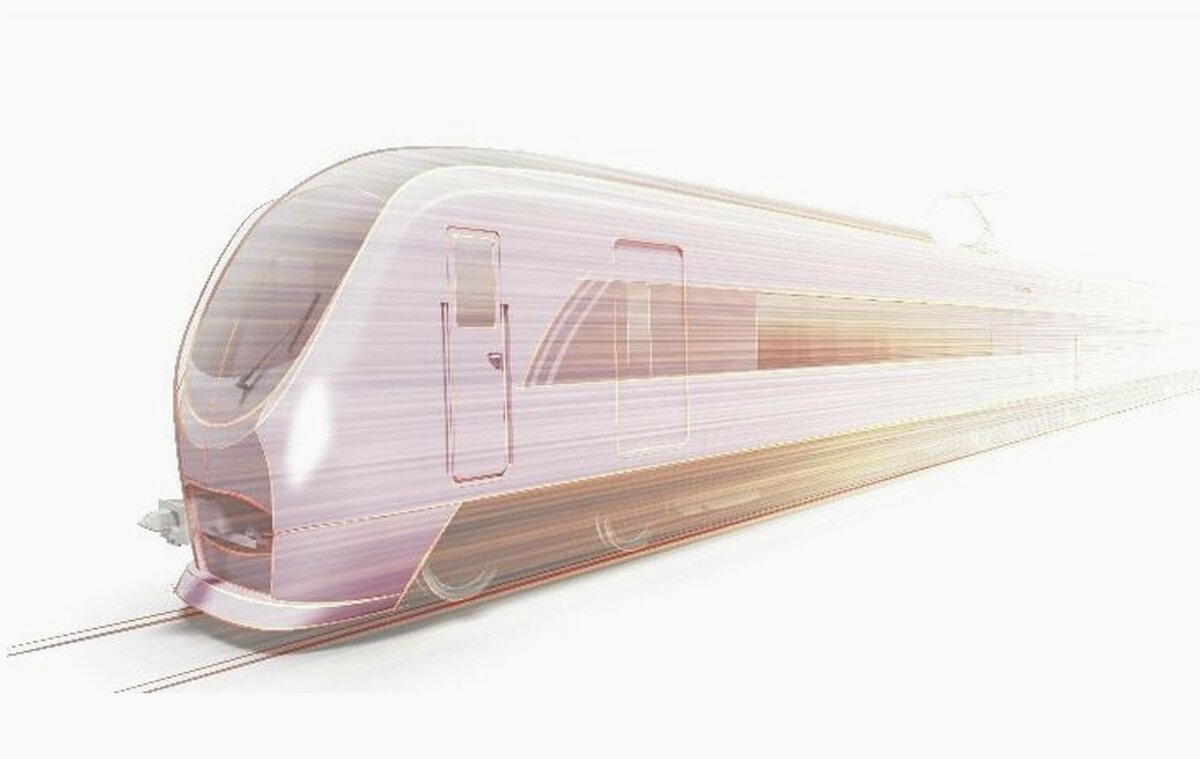

Keisei Electric Railway runs some train operations linking Tokyo and Narita airport, a major air transportation hub located outside the capital in neighboring Chiba Prefecture. The airport currently receives around 40 million passengers a year, with an additional 35 million projected once work on a new runway and the expansion of another is completed by the end of fiscal 2028. Amano, who became president in June, said the expected increases mean "it will be necessary for us to make large investments and improvements to equipment." Implementation of the new services is projected to cost around 40 billion yen ($272.4 million), according to the company. Keisei Skyliner express services are a major transportation link to Narita airport, receiving up to 8.4 million passengers annually. Regarding the decision to introduce new trains, Amano said the firm is "reaching the limit of our ability to increase Skyliner capacity."

 
Why the Narita Shinkansen Could Not Be Built
The Narita Shinkansen was a planned high-speed rail line intended to connect central Tokyo directly with Narita International Airport. However, it was never completed. The main reasons were:

1. Strong local opposition
  • Like the airport itself, the planned Shinkansen route passed through rural areas in northern Chiba Prefecture.
  • Many local residents opposed the project, fearing further land expropriation and disruption after the conflicts surrounding the airport construction.
  • As a result, land acquisition for the railway became extremely difficult.
2. Delays in Narita Airport's opening
  • The Shinkansen was originally scheduled to open in the early 1970s alongside Narita Airport.
  • However, due to protests and land disputes, the airport's opening was delayed, undermining the timing and demand projections for the rail line.
3. Questionable profitability
  • Building a Shinkansen-standard line to Narita required massive investment.
  • At the same time, Haneda Airport remained Tokyo's main hub, so passenger demand at Narita was less than originally expected.
  • The project was judged unlikely to generate enough revenue to cover its cost.
4. Japan National Railways' (JNR) financial crisis
  • During the 1970s, JNR was already heavily in debt.
  • Priority was given to the construction of the Tohoku and Joetsu Shinkansen lines, while the Narita Shinkansen was postponed and eventually canceled.
5. Development of alternatives
  • Instead of a Shinkansen, access to Narita was provided through upgrades to the JR Narita Line and the Keisei Electric Railway.
  • In 2010, the Narita Sky Access Line opened, providing a high-speed link (Skyliner) that essentially replaced the need for a Shinkansen.
In summary:
The Narita Shinkansen was abandoned due to a combination of local opposition, airport delays, uncertain demand, JNR's financial problems, and the development of alternative rail connections.
 
However, due to protests and land disputes, the airport's opening was delayed, undermining the timing and demand projections for the rail line.
Is the landholder in the middle of Narita Airport still there? Or did he finally die and let the property go to the airport?
The Narita Shinkansen was abandoned due to a combination of local opposition, airport delays, uncertain demand, JNR's financial problems, and the development of alternative rail connections.
I think it was smart not to build it. Narita Express and Keisei trains provide fast enough access.
 
If you build it, they will come...?

Why would anyone transiting to or thru Tokyo want to go to the skytree (on the way in, or the way out)? If visiting Tokyo I'd want a hotel convenient to most places in the city--Tokyo, Shinjuku, or on the Yamanote line--not over where the skytree is.

And if passing thru (in or out), why would I go via the skytree...
 
If you build it, they will come...?

Why would anyone transiting to or thru Tokyo want to go to the skytree (on the way in, or the way out)? If visiting Tokyo I'd want a hotel convenient to most places in the city--Tokyo, Shinjuku, or on the Yamanote line--not over where the skytree is.

And if passing thru (in or out), why would I go via the skytree...
It's not just Sky Tree. Asakusa is near there as well. And of course Ueno and Akihabara. It's definitely a tourist hub, plus hotels are cheaper there than Shinjuku.
 
If you build it, they will come...?

Why would anyone transiting to or thru Tokyo want to go to the skytree (on the way in, or the way out)? If visiting Tokyo I'd want a hotel convenient to most places in the city--Tokyo, Shinjuku, or on the Yamanote line--not over where the skytree is.

And if passing thru (in or out), why would I go via the skytree...
It would probably be best to just have an upgraded service on the Narita Express, because if your destination isn't Tokyo then you'd probably want to get to Tokyo station or Shinagawa to transfer onto the shinkansen, or stop somewhere down the Chuo line... But I think the real reason this new line runs to skytree is because it's Keisei, not JR. The Keisei train from Ueno is one of the most affordable options to get to Narita, so I've used it several times.
 
It would probably be best to just have an upgraded service on the Narita Express, because if your destination isn't Tokyo then you'd probably want to get to Tokyo station or Shinagawa to transfer onto the shinkansen, or stop somewhere down the Chuo line... But I think the real reason this new line runs to skytree is because it's Keisei, not JR. The Keisei train from Ueno is one of the most affordable options to get to Narita, so I've used it several times.
Thankfully due to Delta's move to HND I haven't flown into NRT for some time now. But when we did we'd typically take the Keisei as it's the cheapest and almost as fast way to get into Tokyo.
 

Haneda Airport Expansion Plans (2025–2030s)


1. Terminal Expansions
  • Terminal 2 Expansion (completed March 2025):
    ANA's main hub, Terminal 2, was expanded with additional boarding gates (from 25 to 30). Several gates have been converted to international-only use, consolidating most ANA international flights at Terminal 2.
  • Terminal 1 Extension (to be completed in May 2026):
    A new extension on the north side of Terminal 1 is under construction, featuring six new gates. The building uses a hybrid timber-and-steel design to reduce CO₂ emissions and improve sustainability.
2. New Rail Access (Haneda Airport New Station, 2029 planned)
  • JR East is constructing a new underground station between Terminals 1 and 2, linked to the Haneda Airport Access Line.
  • This will allow direct trains from central Tokyo and beyond (Shinjuku, Shibuya, Ueno, Omiya, etc.) without transfers, reducing travel times significantly.
3. The Potential Fifth Runway (Runway E)
  • Concept: A new 3,000-meter runway (Runway E) parallel to the existing Runway C, built offshore in Tokyo Bay.
  • Design Options:
    Cost & Timeline:
    Estimated at ¥620–970 billion JPY (approx. $4.5–7 billion USD) and would take 10–15 years to complete (excluding environmental assessments and local negotiations).

    Semi-open parallel: about 760m offshore, considered the most realistic option due to fewer conflicts with Tokyo Port shipping lanes.
    • Open parallel: about 1,310m offshore, offering higher capacity but with more navigational challenges.
  • Challenges:
    Status:
    Still at the study and consultation stage. No official construction start date has been set.
    • Complex air traffic management, since Haneda already operates with four runways in a cross pattern.
    • Noise and environmental impact assessments.
    • Adjustments to Tokyo Bay shipping routes and river management.
4. Strategic Significance
  • Haneda has transformed from a primarily domestic hub into one of Tokyo's key international gateways.
  • Expansion aims to handle growing international demand, relieve congestion, and strengthen Tokyo's role as a global hub while complementing Narita Airport.
  • The fifth runway, if realized, would further increase slot capacity, though it faces technical, environmental, and political hurdles.
✅ In summary:
Haneda Airport is currently expanding passenger facilities (Terminal 1 and 2) and improving access (new JR station), with long-term discussions on a fifth runway (Runway E) to further boost capacity. However, the runway remains at the planning stage and faces significant challenges before implementation.
 
Back
Top Bottom