- 14 Mar 2002
- 21,050
- 18,904
もしトラ ...
"Moshi-tora" or "if Trump", "hobo-tora" (pretty much Trump), "maji-tora" (it will seriously be Trump), "kaku-tora" (confirmed Trump) and "mou-tora" (already Trump): the phrase "moshi-tora," translating to "if Trump," has become a viral expression in Japan, reflecting concerns about the possibility of Donald Trump's re-election. This term, symbolizing the unease about the 'America First' policy, is now a standard reference in media and conversations. The apprehension is particularly palpable in Japan, favouring stability and concise expressions. The upcoming visit of Prime Minister Fumio Kishida to Washington is intensifying this sentiment, as it raises questions about future interactions with the current U.S. administration.
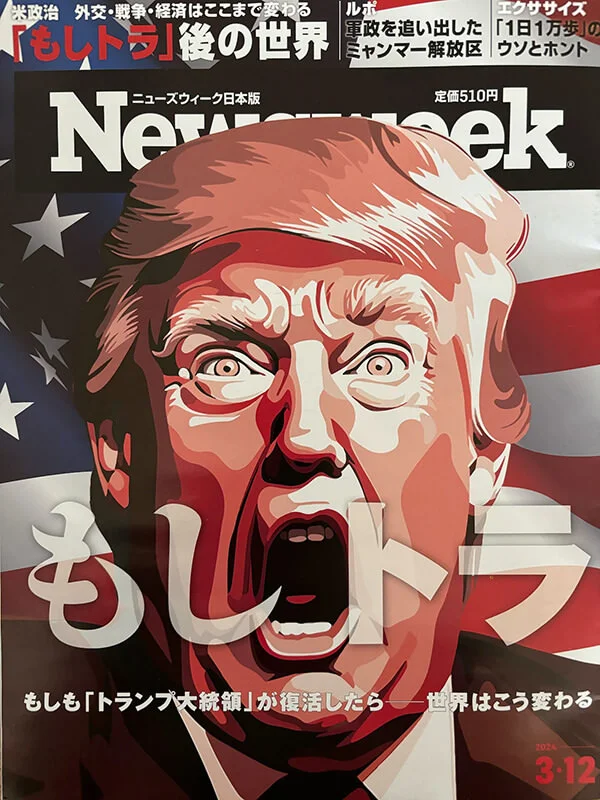
As a key U.S. ally in Asia reliant on American security support, Trump's scepticism about alliances and his "Tariff Man" persona, which has previously targeted Japanese car manufacturers with import taxes, raises concerns. His unorthodox stance on critical security issues involving China and North Korea adds to the unease about what his leadership could mean for Japan. Mieko Nakabayashi, an ex-lawmaker and professor, encapsulates this sentiment, suggesting that "moshi-tora" serves as a wake-up call to consider previously unimaginable scenarios. Moreover, Japan must navigate these uncertainties without Shinzo Abe, who once acted as a bridge to the U.S. president.
The WP is looking at a nation that's worried about being abandoned by the U.S.:
Perhaps these concerns are not unfounded:
Paywall alert:

 asia.nikkei.com
"Moshi-tora" or "if Trump", "hobo-tora" (pretty much Trump), "maji-tora" (it will seriously be Trump), "kaku-tora" (confirmed Trump) and "mou-tora" (already Trump): the phrase "moshi-tora," translating to "if Trump," has become a viral expression in Japan, reflecting concerns about the possibility of Donald Trump's re-election. This term, symbolizing the unease about the 'America First' policy, is now a standard reference in media and conversations. The apprehension is particularly palpable in Japan, favouring stability and concise expressions. The upcoming visit of Prime Minister Fumio Kishida to Washington is intensifying this sentiment, as it raises questions about future interactions with the current U.S. administration.
As a key U.S. ally in Asia reliant on American security support, Trump's scepticism about alliances and his "Tariff Man" persona, which has previously targeted Japanese car manufacturers with import taxes, raises concerns. His unorthodox stance on critical security issues involving China and North Korea adds to the unease about what his leadership could mean for Japan. Mieko Nakabayashi, an ex-lawmaker and professor, encapsulates this sentiment, suggesting that "moshi-tora" serves as a wake-up call to consider previously unimaginable scenarios. Moreover, Japan must navigate these uncertainties without Shinzo Abe, who once acted as a bridge to the U.S. president.
The WP is looking at a nation that's worried about being abandoned by the U.S.:
As prime minister, Abe forged a close relationship with Trump through flattery, attention, and golf outings, and he even nominated him for a Nobel Peace Prize, according to Trump. Days after Trump's election stunned the Japanese political establishment, Abe flew 6,700 miles to reaffirm the bilateral alliance with the president-elect at Trump Tower and gift him a gold-coloured golf driver. That early outreach laid the groundwork for Abe's personality-driven diplomacy with Trump. And while the charm offensive wasn't always practical, Abe's approach helped quell concerns about managing the unpredictable U.S. leader, said Tobias Harris, an expert on Japanese politics and an Abe biographer. The phrase "moshi-tora" captures "that feeling of vulnerability that … because Abe acted so quickly in 2016, didn't fester quite so long," Harris said. "He exuded a confidence that, whether [or not] everyone bought it, it was reassuring to at least many people." It's unclear now which Japanese politician could carry on Abe's mantle. Kishida, formerly Japan's top diplomat, lacks Abe's charismatic leadership style, Japanese media note.
Perhaps these concerns are not unfounded:
Paywall alert:
Trump could ask Japan to spend over 2% of GDP on defense: ex-defense chief
Former president sees U.S. alliances as transactional, says Mark Esper
asia.nikkei.com