


- 14 Mar 2002
- 21,050
- 18,903
The bedbug scourge that has hit the US and Europe has also spread to Japan. The tiny bloodsuckers are proving more resilient than during previous infestations.
The number of inquiries about bedbugs to the Japan Pest Control Association, which consists of companies that eliminate pests, increased from 130 in fiscal 2009 to 706 in fiscal 2019. The association attributed the rise in bedbug infestations to the influx of travellers to Japan. However, the problem was not solely caused by visitors, as the inquiries did not decrease significantly when Japan banned tourists due to the COVID-19 pandemic. Bedbugs are small insects, about 5 to 8 millimetres long, that hide in cracks and gaps in mattresses, tatami mats, curtain rails and other items. They come out at night to suck the blood of humans and animals.
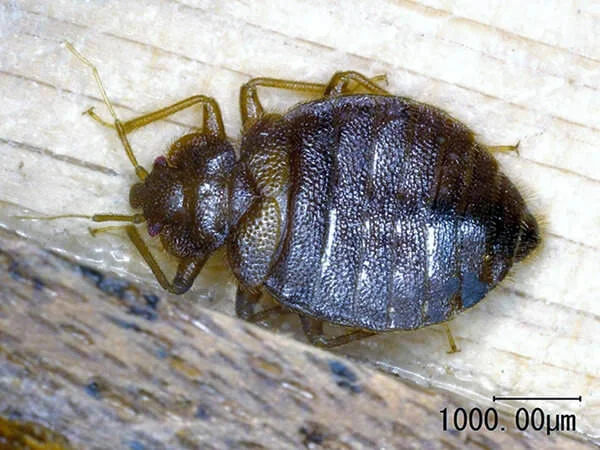
Photo credit: Duskins
The number of inquiries about bedbugs to the Japan Pest Control Association, which consists of companies that eliminate pests, increased from 130 in fiscal 2009 to 706 in fiscal 2019. The association attributed the rise in bedbug infestations to the influx of travellers to Japan. However, the problem was not solely caused by visitors, as the inquiries did not decrease significantly when Japan banned tourists due to the COVID-19 pandemic. Bedbugs are small insects, about 5 to 8 millimetres long, that hide in cracks and gaps in mattresses, tatami mats, curtain rails and other items. They come out at night to suck the blood of humans and animals.
Photo credit: Duskins
A study conducted in the United States 2007 showed that bedbugs resistant to pyrethroid insecticides were rampant. Around that time, the number of consultations about bedbugs began to rise in Japan. Insecticide-resistant bedbugs with the same genetic sequence as those found in the United States were also detected in Japan. After Japan declared a COVID-19 state of emergency, the number of inbound tourists in April 2020 decreased by 99.9 per cent from a year earlier. But the Japan Pest Control Association received 22 inquiries about bedbugs that month, compared with 27 in the same month a year earlier. That means the rate of decline was not as steep as the drop in foreign tourist numbers. The association received 598 bedbug inquiries in fiscal 2021, on par with the pre-pandemic level in fiscal 2018. "While inbound tourists disappeared, we kept receiving inquiries," said Noriyuki Komatsu, a researcher at the association. "It is possible that bedbugs are not only brought into Japan but are also spreading in the country, infesting homes and other places."


