


- 14 Mar 2002
- 21,138
- 19,083
The Guardian on Yamagata, where Japan's noodle fiends revel.
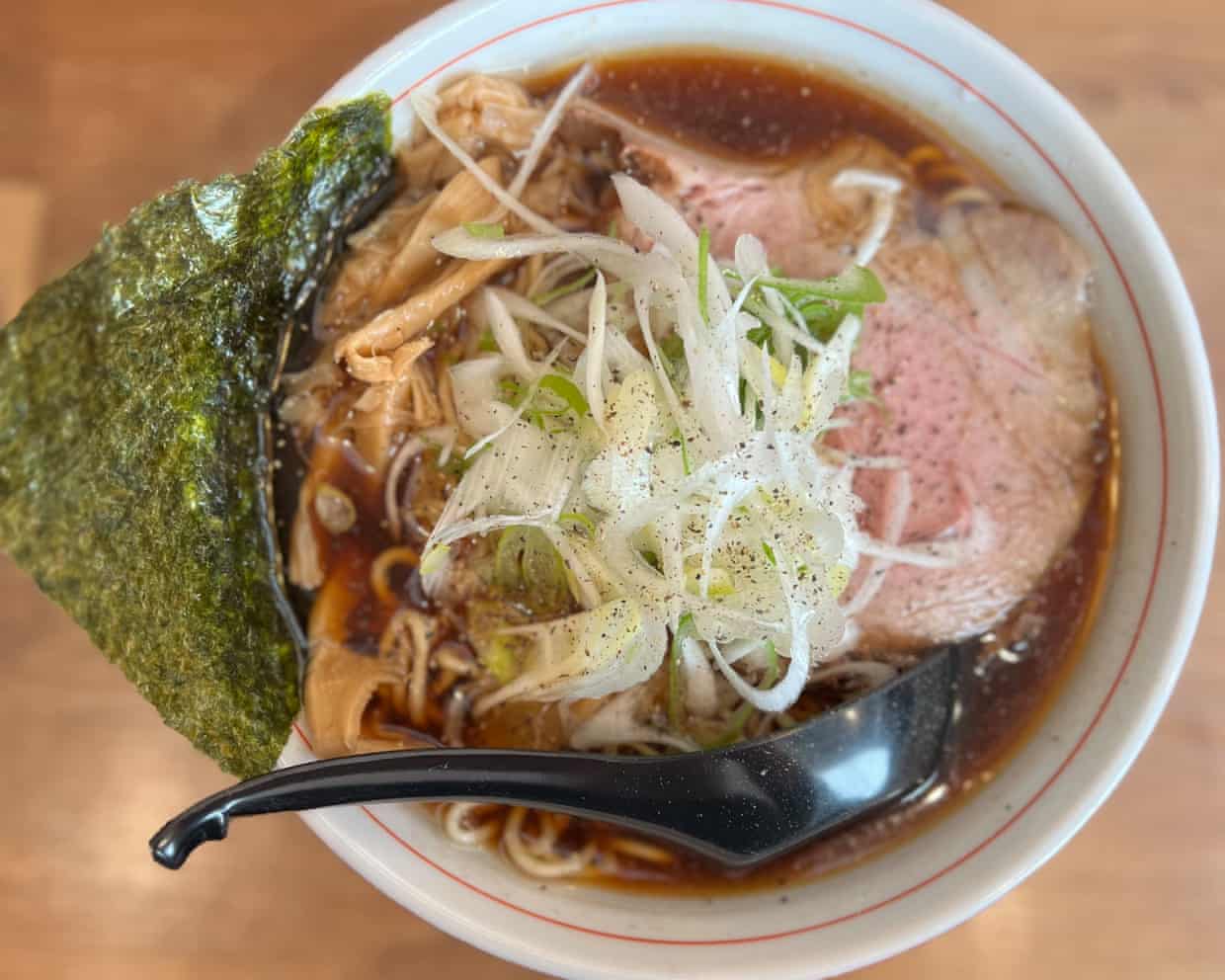
Photo credit: Justin McCurry - The Guardian
In Yamagata, some of the best ramen is found off the main roads. Men Endo sits on a quiet suburban street beside a school and a low-rise apartment building, yet it sees a steady flow of customers who finish their bowls quickly and leave after a brief exchange with the chef. Inside, a ticket machine lists options from classic shoyu ramen in several sizes to maji soba, a brothless dish mixed at the counter with sauce, noodles, and spicy miso. The name combines menrui, the Japanese word for noodles, with the Endo family name, and despite heavy competition, the shop has earned a loyal local following.
Yamagata, about 340 kilometres north of Tokyo, has around 230 ramen shops, and eating ramen out is part of daily life. This habit has earned the city of roughly 240,000 people a reputation as Japan's ramen capital, backed by household spending that consistently ranks among the highest in the country. That enthusiasm also raises concerns about salt intake, and local studies have highlighted health risks associated with frequent ramen consumption. Even so, ramen remains part of daily life, with most households spending about ¥2,000 a month and seeing it as everyday comfort food rather than a special treat.

 www.theguardian.com

Photo credit: Justin McCurry - The Guardian
In Yamagata, some of the best ramen is found off the main roads. Men Endo sits on a quiet suburban street beside a school and a low-rise apartment building, yet it sees a steady flow of customers who finish their bowls quickly and leave after a brief exchange with the chef. Inside, a ticket machine lists options from classic shoyu ramen in several sizes to maji soba, a brothless dish mixed at the counter with sauce, noodles, and spicy miso. The name combines menrui, the Japanese word for noodles, with the Endo family name, and despite heavy competition, the shop has earned a loyal local following.
Yamagata, about 340 kilometres north of Tokyo, has around 230 ramen shops, and eating ramen out is part of daily life. This habit has earned the city of roughly 240,000 people a reputation as Japan's ramen capital, backed by household spending that consistently ranks among the highest in the country. That enthusiasm also raises concerns about salt intake, and local studies have highlighted health risks associated with frequent ramen consumption. Even so, ramen remains part of daily life, with most households spending about ¥2,000 a month and seeing it as everyday comfort food rather than a special treat.
The roots of Yamagata's obsession lie in the aftermath of the 1923 Great Kantō Earthquake, which killed more than 100,000 people in the Tokyo area. Ramen chefs who fled the destroyed capital to work at soba restaurants in Yamagata shared their ramen-making skills and found a population with an appetite for steaming hot noodles to get them through the city's bitterly cold winters. Households would order ramen, rather than trays of sushi, to serve to guests – a custom that gave children an early introduction to a dish they continued to eat into adulthood. After it ceded its title to Niigata a few years ago, ramen shop owners and officials in Yamagata teamed up to create an organisation dedicated to re-establishing the city as Japan's "ramen kingdom". Higuchi is confident Yamagata will retain the title when the government announces the 2025 results in early February. "If our ramen businesses do well, then so does the local economy – farmers and soy sauce manufacturers, even the companies that produce hot towels for restaurants," he says. "I don't think it's going too far to say that Yamagata is ramen."
‘Yamagata is ramen’: Japan’s city of noodle fiends revels in ‘capital’ status
Noodle dish is nation’s favourite comfort food and source of civic pride – but it has health risks
Link:
Oshi-men Yamagata
Oshi-men plays on the Japanese pop-culture term oshi, meaning a personal favourite one actively supports, combined with men, the Japanese word for noodles.
- JREF
- Views: 225
- Category: Gastronomy


